 1 0 13.08.2024
Content
- Introduction
- Neolithic wine
- Ancient wine of Cyprus
- The Middle Ages
- The Ottoman Period
- The British Period
- Modern winemaking in Cyprus
Cypriot wines cannot boast of worldwide fame. In general, few people visiting Cyprus for the first time assume that there is a developed winemaking here. However, when you come to Cyprus for a vacation, you immediately notice the abundance of local wines in shops and restaurants (mostly inexpensive and mediocre wines). Well, very soon (on the next excursion) You will be told that Cyprus has been producing wines for 6 thousand years, one of which is almost the oldest in the world. This leads to 3 questions:
— what led to the obscurity of Cypriot wine?
— why are the wines on sale here mostly frankly weak?
— Are there any interesting and strong dry Cypriot wines?
Answering these questions is very convenient to simultaneously understand the history and peculiarities of local winemaking. In this article, we will start with the story.
Neolithic wine
There is a widespread opinion that the homeland of the first grape varieties known to mankind is the territory of Mesopotamia and the coast of North Africa. From there, perhaps, both viticulture and winemaking originate. According to archaeological sources, scientists conclude that viticulture originated in these regions in the sixth millennium BC.
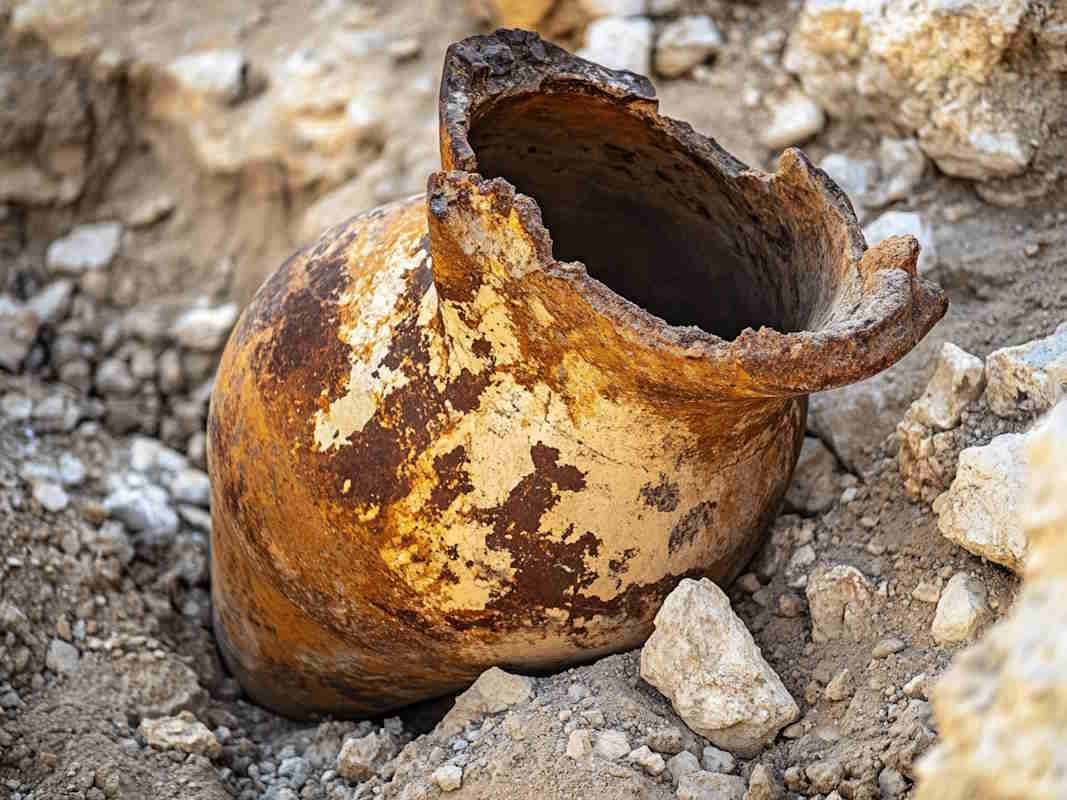
But the popularizers of the culture of winemaking in the Mediterranean are the Phoenicians — a great civilization of navigators and innovators, creators of writing, which formed the basis of letter writing systems. The Phoenicians conquered cities and founded new settlements in Cyprus, on the territory of modern Italy and Spain, Malta, and the countries of North Africa. According to scientists, an amazing find in the village of Sotira near Limassol belongs to this period — clay jugs with grape seeds and remnants of tartaric acid about 5.5 thousand years old — one of the oldest evidence of winemaking!
Another witness to the antiquity of the wine culture in Cyprus is the endemic grape variety “Maratheftiko”. Unlike cultivated grape varieties, where the vine has flowers of both sexes and is self-pollinated by the wind, the maratheftico vine, one of the few in the world, has only female flowers, like wild grapes cultivated by our ancient ancestors more than 5 thousand years ago. Marateftiko is usually planted next to other varieties for cross-pollination.
Ancient wine of Cyprus
During the heyday of the cult of Aphrodite in Cyprus, wine acquires great cultural and religious significance. Majestic temples were dedicated to this goddess of love, as well as to the god of winemaking Dionysus, and wine was used for religious rituals.
A large region — from Limassol to Paphos, from the coast to Troodos was covered with vineyards. It was during the period of Early Antiquity that the Cypriot folk “raisin” wine, praised by Homer, Hesiod and Euripides, became extremely popular. These ancient writers provide fairly detailed descriptions of the technology of production and storage of Namas wines (“Nama” is the name of an ancient wine, the predecessor of “Commandaria”).
“Cut, O Persian, and take the fragrant bunches home.
Keep them in the sun continuously for ten days and nights,
Put it in the shade for five days after that, on the sixth
Pour the gifts of Dionysus, who brings joy, into the barrels.”Hesiod “Works and Days”, translated by V. Veresaev.
The classical period was characterized by a rather strong influence of the culture of the Hellenic tribes. Many artifacts (ceramics, mosaics, etc.) of that era contain references to the culture of winemaking. There are chronicle sources, in which there is evidence of Cyprus’ trade with islands such as Rhodes, Thassos and Naxos.
During the Roman period, Cyprus became a major wine exporter in the provinces of the Roman Empire and later the Byzantine Empire (Eastern Rome). The mosaics in the lower area of ancient Paphos well illustrate the artistic design of the wine-drinking culture that flourished in Cyprus at that time.
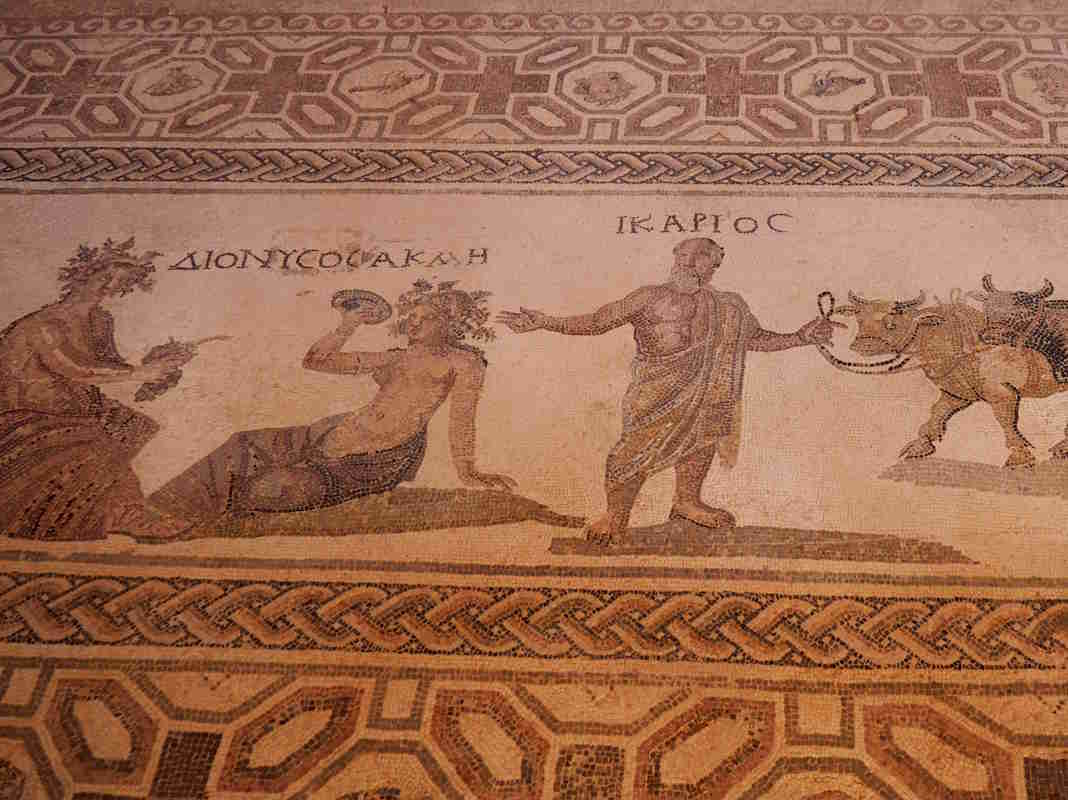
Mosaics of the house of Dionysius (Archeopark of Paphos). @KiprGuru
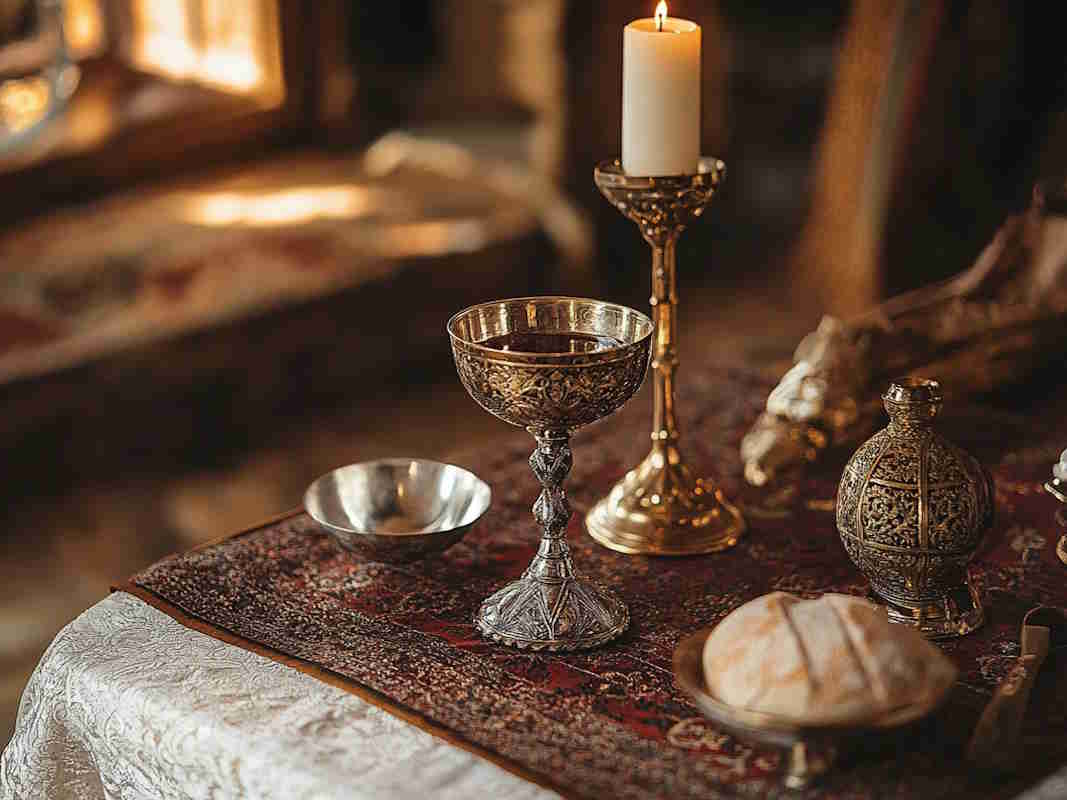
In the 1st century, the Apostles Barnabas and Paul brought Christian teaching to Cyprus. Sweet wines are beginning to be used for communions. Later, with the development of Orthodox monasteries, vine cultivation and wine making began to be mastered in several monasteries in Cyprus. The culture of wine consumption is changing the social connotation: from a traditional pagan element, it becomes an element of church worship (and the wine itself, along with bread, is used to celebrate the Eucharist). Symbols belonging to the theme of winemaking, such as vines, are still used in temple paintings and to decorate the vestments of priests.
The Middle Ages
The heyday of Cypriot winemaking can undoubtedly be called the Middle Ages. In 1191, during the second wave of the 3rd Crusade, the island was conquered by Richard I the Lionheart. During his stay in Cyprus, Richard married Berengaria of Navarre at the Church of St. George in Limassol. It is said that Namassian wine was served at the wedding (in the future — Commandaria), and it is to Richard that the wine owes the title “wine of kings and king of wines”.
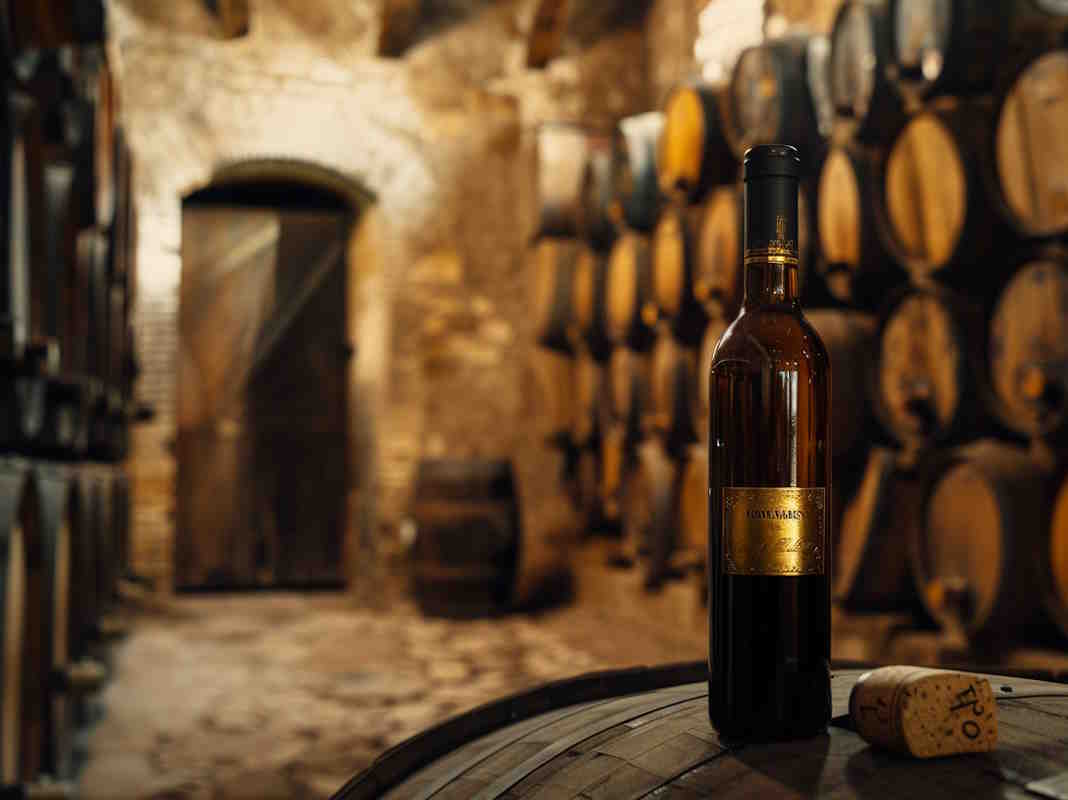
Commandaria wine. @KiprGuru
After these events, the island passes into the possession of the Order of St. St. John (to the Order of the Hospitallers) . Not far from Limassol, Le Grand Commanderie is located — the main stronghold of the hospitallers on the island. It is thanks to the active consumption of local Namassian wine during the stay of the knights on the island, as well as the transition of the production of this wine to another level (thanks to European technologies) that the sweet wine was named Commandaria (after the name of the region belonging to Le Grand Commanderie). In general, during the next two crusades, Cyprus actively supplied its wines and food to the Christian army, Cypriot wines became famous in England and France.
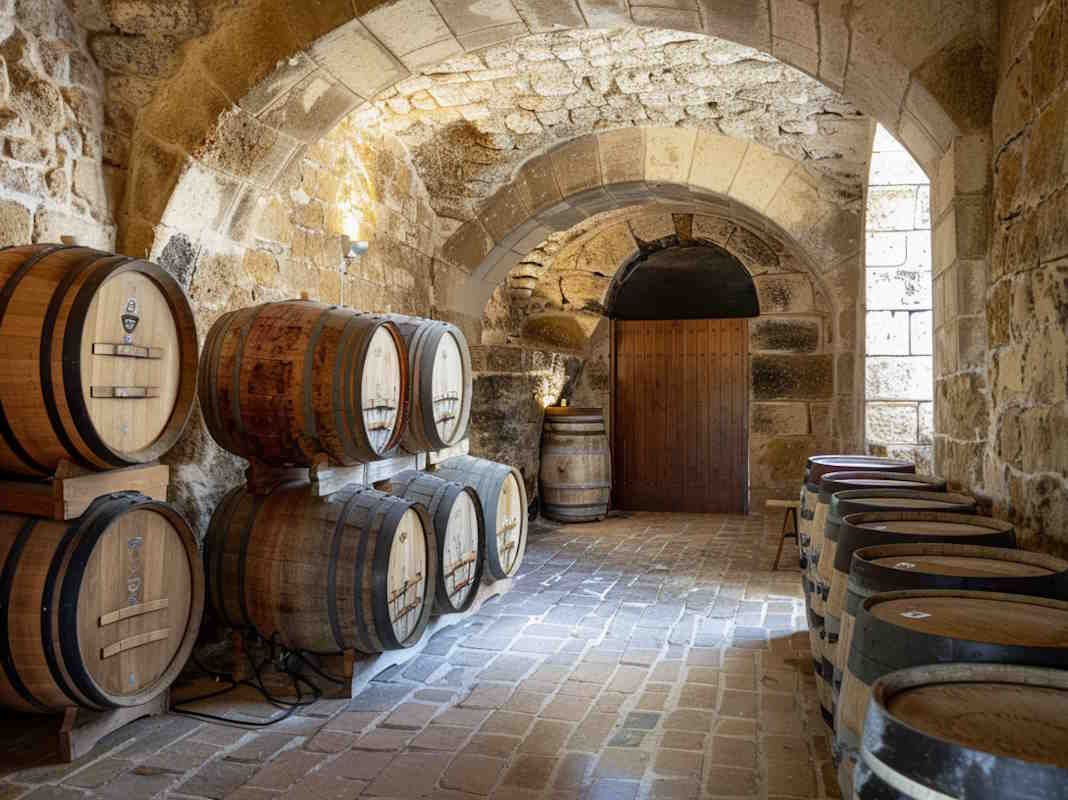
Graphic reconstruction of the basements of Le Grand Commanderie. @KiprGuru
In 1213, King Philip II Augustus of France held the first ever wine competition, the “Battle of Wines”. Wines from all over Europe and Cyprus participated in the competition. The Cypriot Commandaria took the highest award in this battle. From that moment on, Commandaria is produced mainly for export, which is very beneficial for local winemakers, a small amount of wine is stored on the island for religious ceremonies.
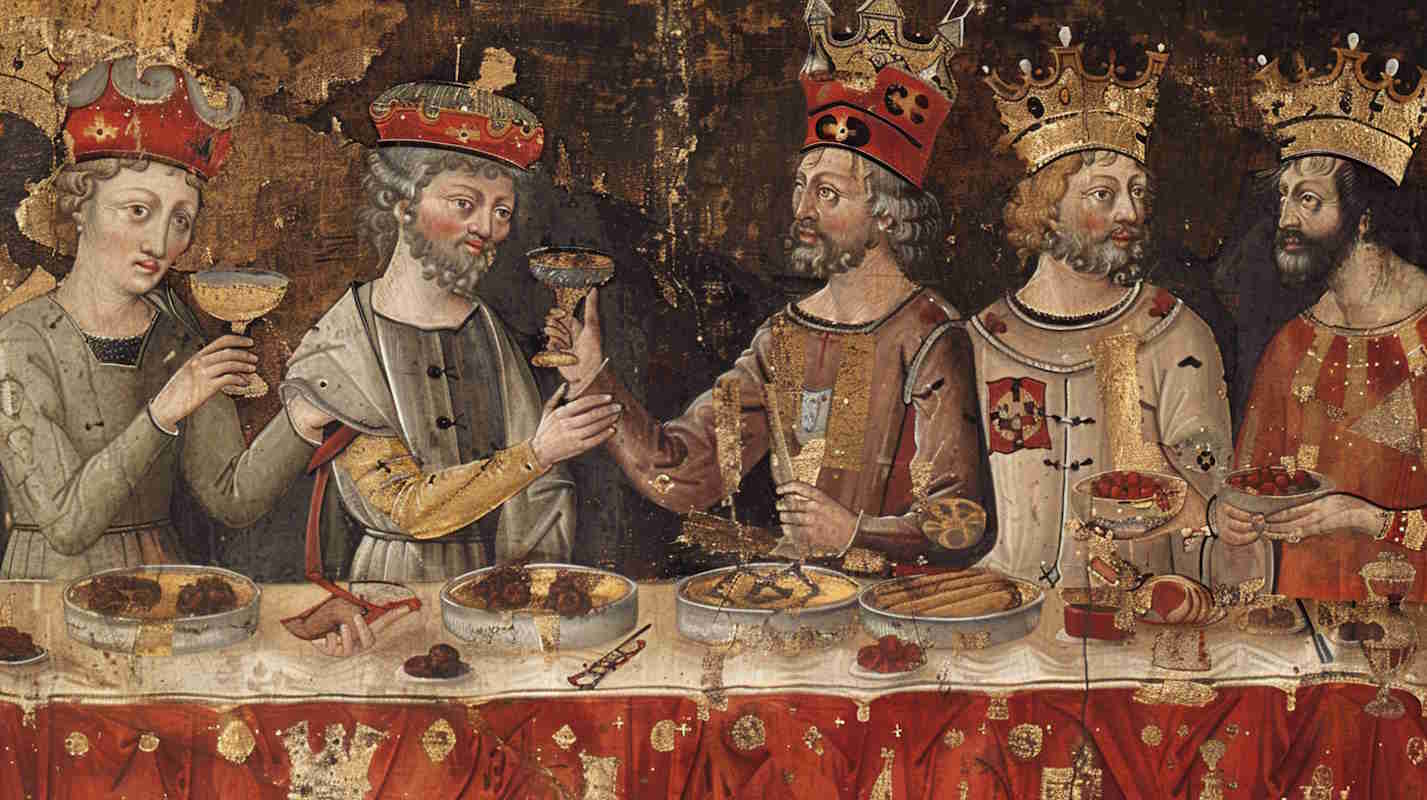
In 1363, a special royal banquet was held in London — the “Feast of the Five Kings”, at which King Pierre (Peter) I de Lusignan of Cyprus presented the Commandery to the court of the kings of England, Scotland, France and Denmark. Once again, the Commandaria was recognized as the best wine presented to the court of the crowned heads! In memory of this event, many centuries later, the Cypriot company KEO released a quite decent brandy “Five Kings”.
The Ottoman Period
During the period of Ottoman rule (XVI-XIX centuries), winemaking was going through difficult times — the Ottomans did not encourage the production and consumption of wines, and a serious tax was imposed on grape processing products. The only wine that is allowed to be produced is Commandaria, but only for religious ceremonies. References by European travelers during the Ottoman period regarding the quality of Cypriot wine are often contradictory.
The British Period
The British, great lovers of Cypriot wine, came to Cyprus at the end of the XIX century and took the regulation of the Commandery into their own hands. Wine production has concentrated on the factories of 4 large wine companies, leaving small private winemakers out of business. This is very sad, because it is the manual work and individual care of the production that give the wine charm and incomparable taste qualities. They tried to turn the ancient fine art of winemaking into a profitable conveyor belt. In addition to the Commandery, the British developed the production of several cheap varieties of wine, which were not of particular interest from the point of view of gourmets. Although on the other hand, it can be said that the Cypriot wine industry, which was in decline before, has experienced a revival. The tax rules have been relaxed.
In 1844, the ETKO winery (family organization) was founded — one of the largest wineries still in existence. Its main competitor at that time was a winery (also family-owned) called Chaplin Winery. The Chaplin Winery was bought by an association of several influential Cypriot businessmen in 1928, known as the KEO Company. In 1943, a number of specialists and trade unionists who left ETCO founded the LOEL wine company. And in 1947, such a well-known producer as SODAP was created by a group of famous winemakers. These four producers formed the main production force in the wine market (in Cyprus, of course).
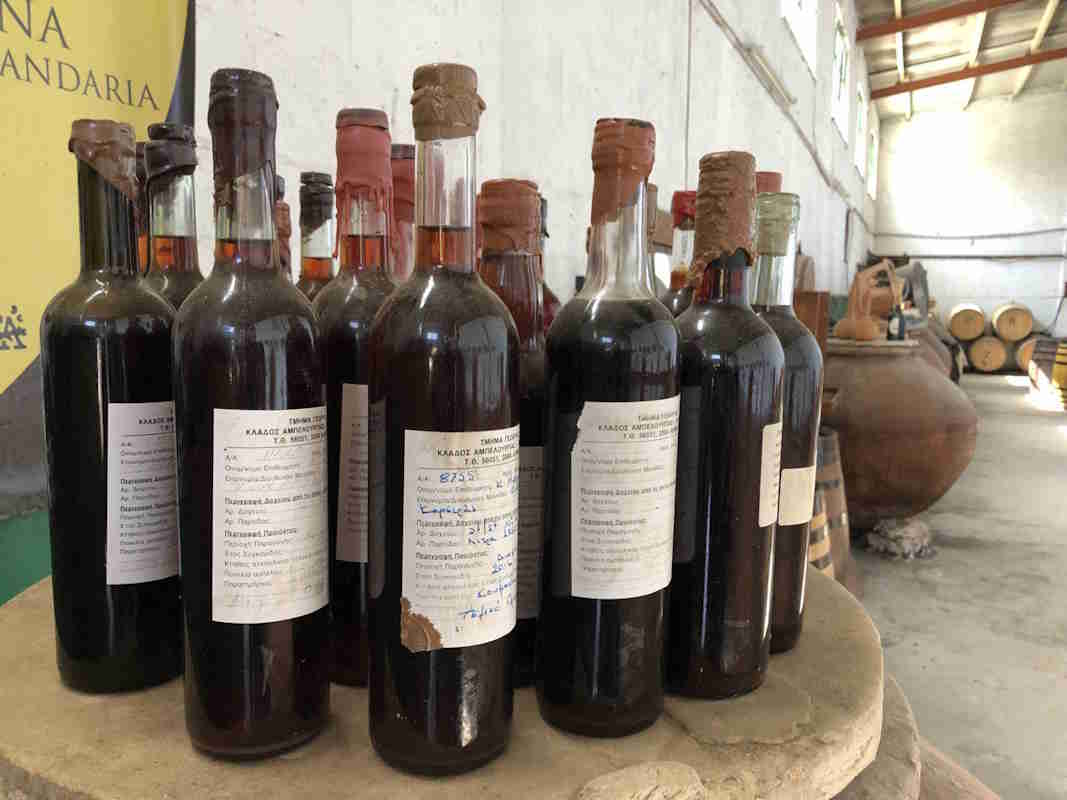
Certification samples of Commandaria wine (Karseras winery). @KiprGuru
At the end of the 19th century, an important circumstance occurred. European vineyards were infected with Wine phylloxera, brought to Europe “accidentally” from North America. The greatest damage was caused to the most valuable old vineyards in France in Europe, and in general, the European wine market was on the verge of destruction. And Cyprus at this time, thanks to the serious quarantine control established by the British, remained untouched by phylloxera. This allowed for an increase in the production of Cypriot wine to meet the demand for wine from English consumers in the UK and the Middle East. At that time, Cyprus produced cheap wine and spirits (mainly brandy).
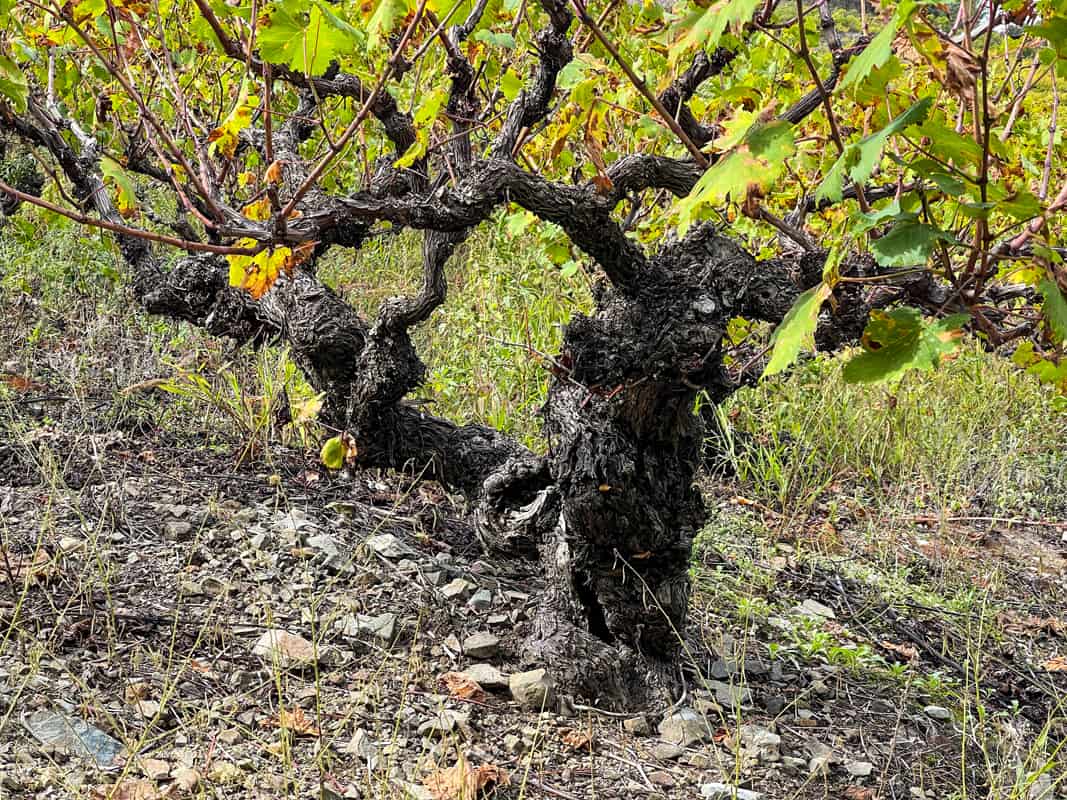
Old Cypriot dofylloxer vines. @KiprGuru
Modern winemaking in Cyprus
After Cyprus gained independence and the proclamation of the Republic of Cyprus, the Wine Products Commission carried out reforms in the wine industry aimed at improving the quality of wine. New international grape varieties began to be imported to Cyprus and new recipe technologies were introduced into production. The growth of small industries was also stimulated, which can now be seen from the founding dates of a large number of currently operating wineries: the 70s and 80s of the twentieth century.
After Cyprus joined the European Union, the classification of Cypriot wines began in accordance with European legislation. The historical value of the Cypriot vineyards is documented in a combination of local varieties, soil and climatic conditions. The traditions of family wineries are being restored — there are many enthusiasts using ancient technologies and preserving family secrets. At the same time, you can also see innovators giving ancient technologies a new interpretation.
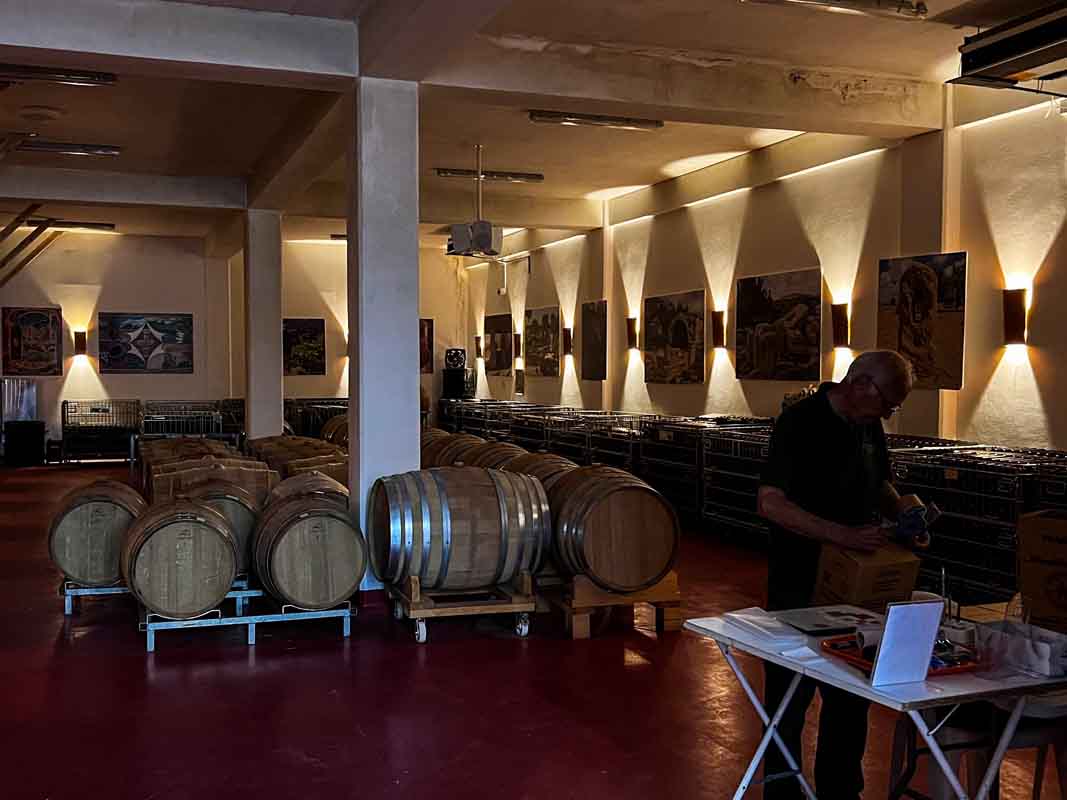
The guest room of the Monolithos winery. @KiprGuru
The Cypriot wine industry is now in a phase where the actively developing wine culture on the island sets much higher standards of wine quality than existed on the island a decade ago. Of course, this to some extent stimulates the improvement of traditional wine production technologies, the introduction of wine formulations from well-known international grape varieties, and the construction of modern wineries.
In general, there is now a kind of transition process in Cyprus, in which the traditional consumption of wines from local grape varieties is still actively undemanding in quality (with an eye to the names familiar to Cypriots). But the demand for high-quality wines and interesting novelties is steadily growing.
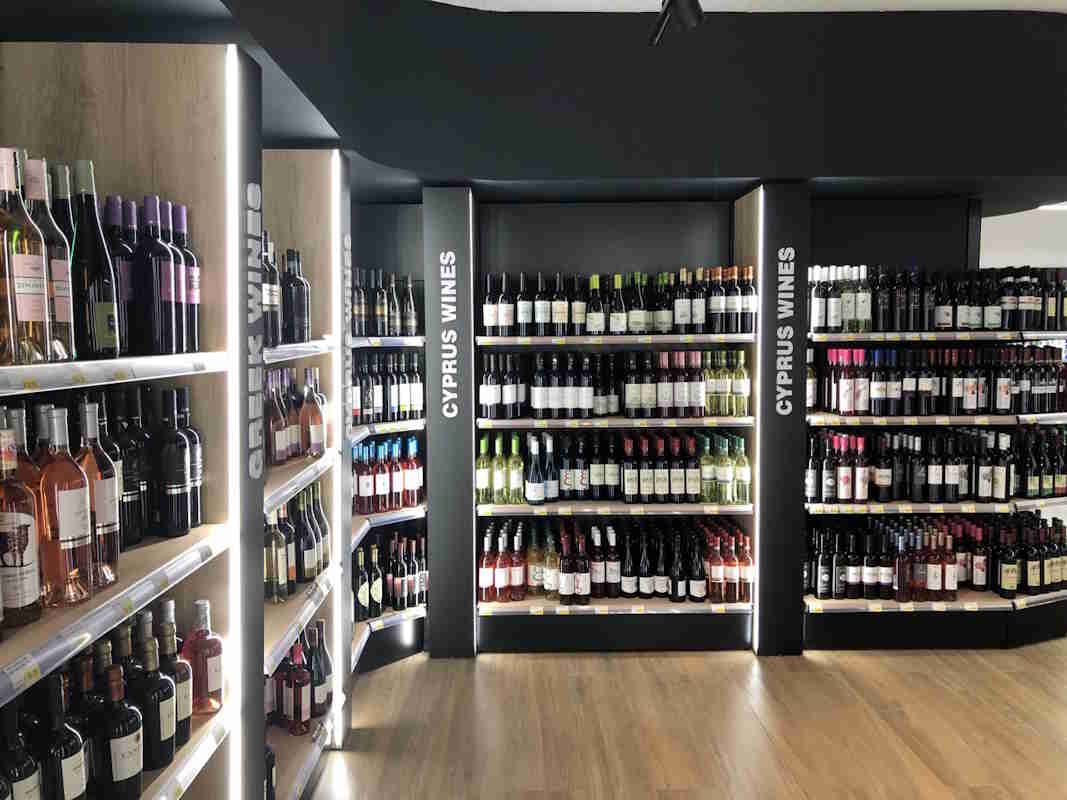
A typical wine department of a Cypriot supermarket. @KiprGuru
In the next article, attention will be paid to the agrotechnical and technological side of Cypriot winemaking. I will tell you about the wine grape varieties growing in Cyprus and the technology of wine production.
And you can also learn more about Cypriot wine and local producers by participating in my author tours:
Krasochoria Wine Province
★ 5.0 11 reviews
Wine tour of the Krasochoria region. An extremely successful combination of the taste and aroma of typical Cypriot wines, the natural beauty of the vineyards and useful information.
from 35 € from 40€ -12%
6 hours

Exquisite Wine Tour
★ 5.0 21 reviews
Excursion-a play about Cypriot wine in 3 parts:
We present to you the workshops of hereditary winemakers, whose dynasties created the Cypriot art of winemaking.
from 50 € from 60€ -17%
8-9 hours


 English
  Russian
  German
  Polish