We find out where a tired resident of a megalopolis can go, so that he definitely does not meet anyone he knows there.
PhinDeli (Buford), Wyoming, USA
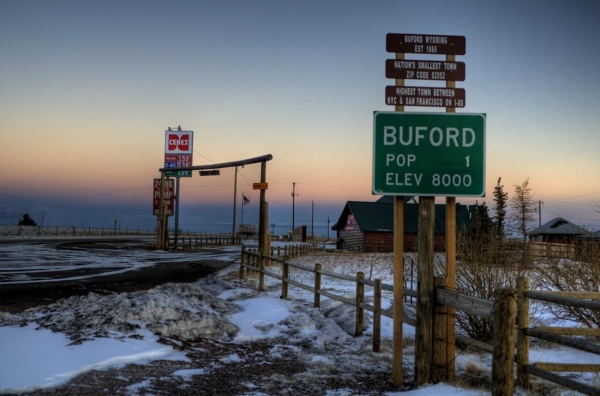
1 person lives there
The city became famous for the fact that for a long time it was inhabited by the only resident, part—time mayor, janitor, gas station attendant and salesman at a local store – Don Sammons. He came to Buford with his family in 1980, and after the death of his wife, he lived here alone with his son. In 2008, the son moved, the mayor was left alone, but in 2012 he put the city up for sale.
Along with the house, an abandoned school building built in 1905, a gas station, a garage, a barn and a store that the famous bandit Butch Cassidy tried to rob at one time left the auction. The winner of the auction, which lasted 15 minutes, was a businessman from Vietnam. The deal price is $ 900 thousand. The new owner of the city renamed Buford to PhinDeli and started a business promoting Vietnamese coffee in the United States. Don Sammons is now officially hired by the mayor of his former city.
Buford is located in southeastern Wyoming, between the cities of Cheyenne and Laramie, on Interstate 80. The city originated during the construction of the Transcontinental Railroad in the 1860s. In the best of times, 2 thousand people lived here. The population began to decline sharply when the route of the highway was changed.
Why are we going: Well, how not to send a paper letter or at least a memorable SMS from here — the city has its own postal code and a cell tower.
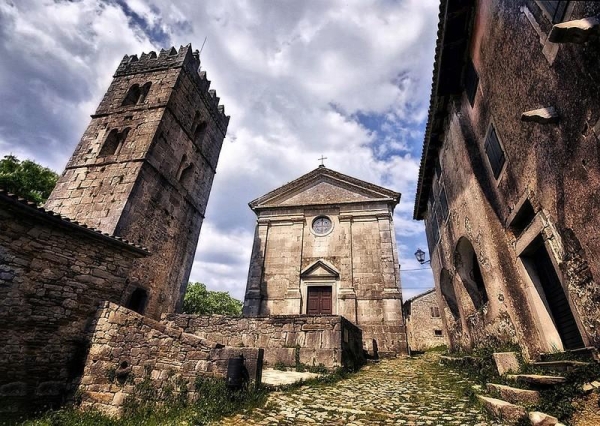
Hum, Croatia
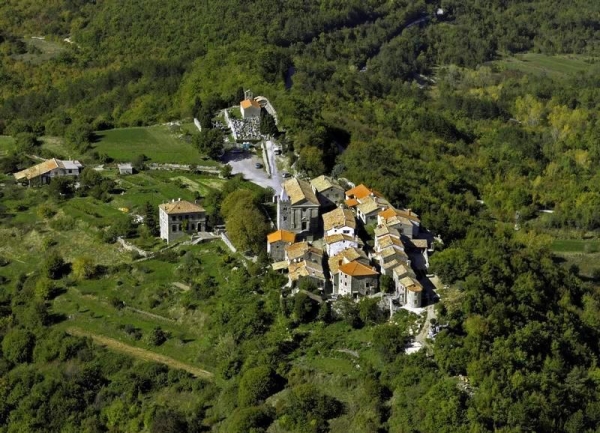
23 people live there
This medieval fortress city was included in the Guinness Book of Records as the smallest in the world. It is located in the central part of the Istrian peninsula, on top of one of the hills, at an altitude of 349 m. According to legend, Hum was built of giant stones by giants. The status of the city of Hum was acquired back in the XI century, it has its own mayor, policeman, doctor, judge and firefighter. In the 40s of the last century, 450 people lived here.
The frescoes of the XII century are perfectly preserved in Hum. In addition, there are 13 houses, 2 streets, 2 temples, a museum, a shop, a post office, a cemetery, a restaurant, and a hotel. In mid-June, every year the city holds mayoral elections, in which only men participate. The procedure ends with a dance festival.
Why are we going: A drink. The restaurant serves homemade 38-degree herbal tincture Humska Viska, which is prepared according to the recipe of the ancient Celts. Locals claim that this recipe is more than 2 thousand years old.
Rabstein nad Strzela, Czech Republic
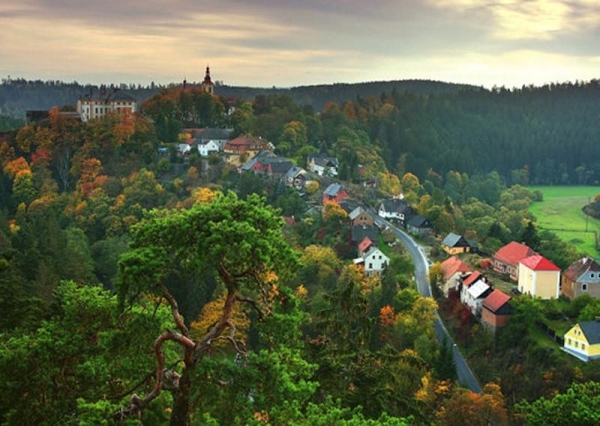
25 people live there
The ancient, picturesque, smallest city of the Czech Republic and the whole of Central Europe, Rabstein nad Strzela, received its status back in 1337. There is only one street and one square. The most popular sights are the ruins of a 14th—century fortress built in the Gothic style, a Baroque castle, and an ancient church. In addition, there is a Jewish cemetery, an ancient stone bridge, an idle wooden mill, a hotel, and a stable.
Rabstein is famous for its slate, which can still be found on the roofs of local houses. Residents use most of the houses as summer cottages.
Why we are going: To look for well—mannered European ghosts – there is a holiday home in the castle.
Melnik, Bulgaria
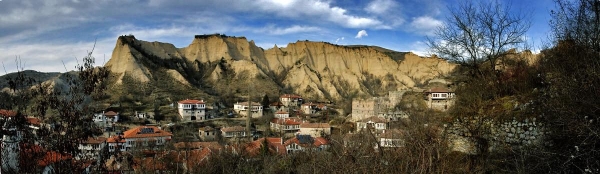
390 people live there
Melnik is considered the smallest city in Bulgaria, although at the beginning of the 20th century 5 thousand people (mostly Greeks) lived here. The name of the town comes from the surrounding chalk cliffs. The oldest residential building in Melnik — and all of Bulgaria — is the Boyar (Byzantine) house of the XIII century. There are about 100 cultural monuments in the town, the most interesting are the monastery of St. Nicholas of the XII century, the Slavov Fortress of the XIII century, the church of the Apostles Peter and Paul, the Roman Bridge and the ancient Turkish bath. But Melnik is especially famous for its folklore festivals and thick homemade wine, which is made using ancient technologies. Huge barrels are stored in the rocks.
Why are we going: Feel like time travelers: little has changed here since the Middle Ages. In addition, mighty plane trees and plane trees grow in Melnik, some trees are hundreds of years old.
Kallaste, Estonia
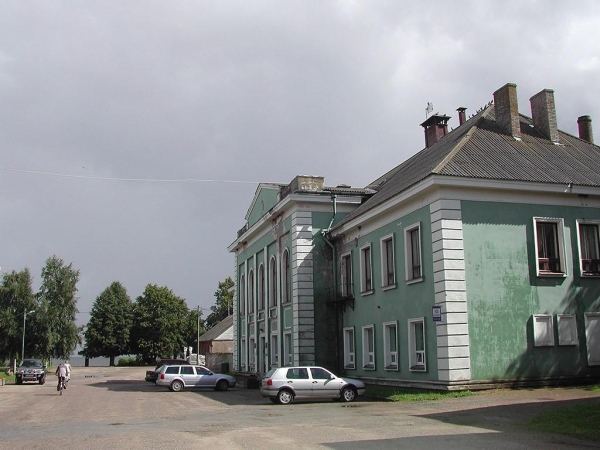
953 people live there
The Estonian town of Kallaste (translated from Estonian as “shore”) is located on the shore of Lake Peipsi. Until 1923, it had a different name — the Red Mountains, after the name of the local red sandstone. Kallaste originated in the XVIII century, in 1938 it received the status of a city. The majority of the residents, 72% of whom are of Russian origin, are engaged in fishing. The area of the city is less than 2 km.
In addition to the sandstone, Kallaste is known for its functioning Old Believer church and the fraternal cemetery of Soviet soldiers. This is the poorest city in the country, according to Mayor Callaste, “40.8% of children live in relative poverty here.
Why we’re going: Just out of curiosity.
Durbuy, Belgium
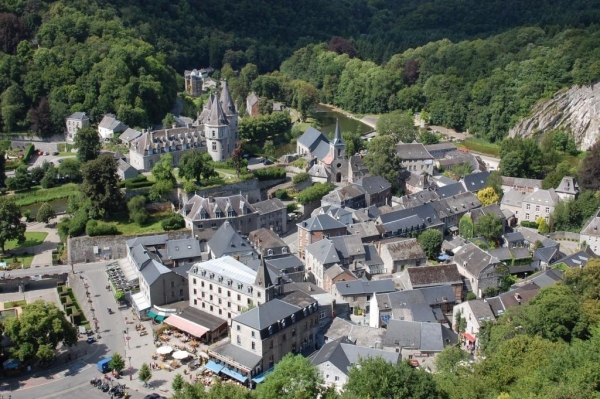
11 thousand people live there
Durbuy is a tiny French—speaking town in Belgium. Although it acquired the status of a city in 1331, the first mention of Durbuy dates back to the XI century. There are three geological zones in the town, amazing landscapes — meadows, valleys, caves, mountains, forests, and the Urt River. The city lives at the expense of tourists and carefully preserves its medieval atmosphere: narrow cobbled streets, stone houses, the church of St. Nicholas, the Bread Market of 1380 and the ancient castle, built back in 889. The first tourists appeared in Dubuis in the 19th century, and since then the city has acquired a good infrastructure: hotels, restaurants, cafes and souvenir shops.
Why we are going: Here you can ride in a horse-drawn carriage, go rafting on the Urt River or wander among the figuratively trimmed trees in the small Topiary Park. And what is especially valuable is not to meet anyone you know.


 English
  Russian
  German
  Polish