Approximate reading time: 19 minutes
The Kingdom of Morocco seems to have been created by nature for tourism. There is a place for long sandy beaches, high mountains, desert dunes, coniferous forests and picturesque valleys with fruit groves on the territory of this country. There are also bustling cities with ancient architectural monuments, oriental bazaars and lush parks. It’s hard to decide what to see and where to visit first. We will tell you briefly about the main sights of Morocco with photos, names and descriptions. Check out our list to get an idea of the best places for tourists and plan your vacation.
 Reveal the content
The Imperial Cities of Morocco
Four cities are called imperial, each of which was the capital of the state at different times. All of them are suitable for exploring the cultural and historical sights of Morocco. Don’t miss these cities if you want to see medieval streets, beautiful palaces, gardens and mosques.
Fez
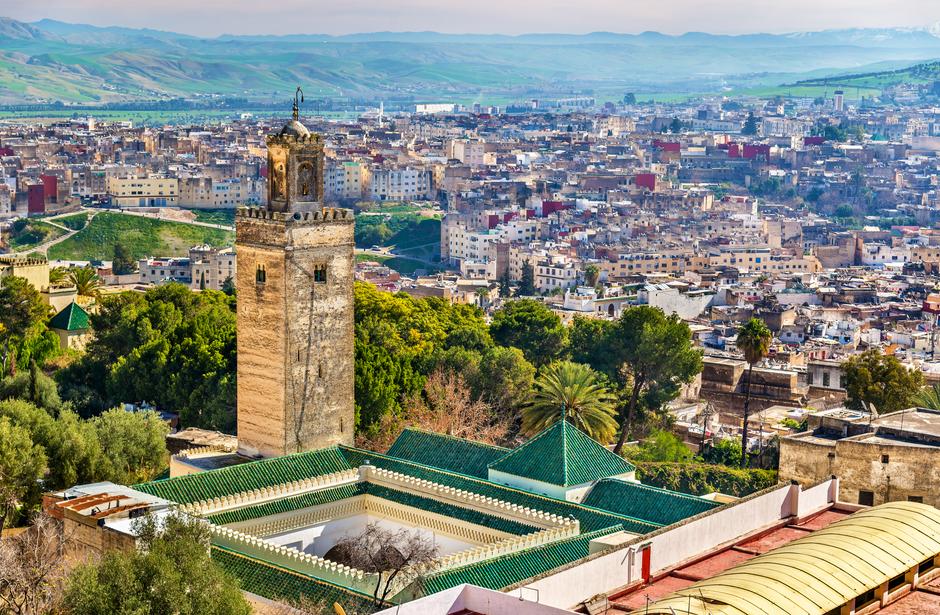
The oldest of the imperial cities was founded in 789. It is now the second largest in Morocco. The Fez area, preserved since the Middle Ages, is believed to be the world’s largest car—free urban area. It is separated from the modern city by the famous Blue Gate decorated with tiles with cobalt patterns. The ancient part of the city includes more than 9 thousand streets, too narrow and winding to drive along them. It’s easy to get lost in this maze, but you can see something interesting at every step. Every now and then there are shops with fresh fruits, dried dates, spices and souvenirs. Along the way, there are snack bars, ancient madrassas, mosques and traditional tanneries.
One of the most famous attractions of the Kingdom of Morocco is located in the heart of old Fez. It is the world’s oldest operating Al-Karaouin University, included in the UNESCO World Heritage List and in the Guinness Book of Records. The university with a large library and a mosque was founded in 859. Funds for its construction were provided by the merchant’s daughter Fatima al-Fihri. When she was a child, her family had to move from Tunisia to Fez. Subsequently, she decided to spend her rich inheritance on the development of the city, which became her second home. Even today, Al-Karaouin remains a prestigious university, where Muslim students from Africa and Central Asia come. Since it is operational, tourists are not allowed on the territory. But you can look at the university complex from the side and look through the gate.
Marrakech
The city at the foot of the Atlas Mountains was founded in the second half of the XI century. For two centuries it was the capital of the state. The glory of Marrakech was so great that the European name of the whole country came from it. Now it is the fourth largest city in Morocco, and its preserved medieval part is listed as a World Heritage Site. Many of Morocco’s tourist destinations are concentrated here. Let’s list some of the most famous sights:
- Jamaa El Fna Square. For a thousand years, fortune tellers, dancers, acrobats, musicians and snake charmers have been gathering in this historic square. There are also numerous traders and henna tattoo artists who set up their tents from 8 a.m. Restaurants open in the evening, and the fun continues even after midnight.
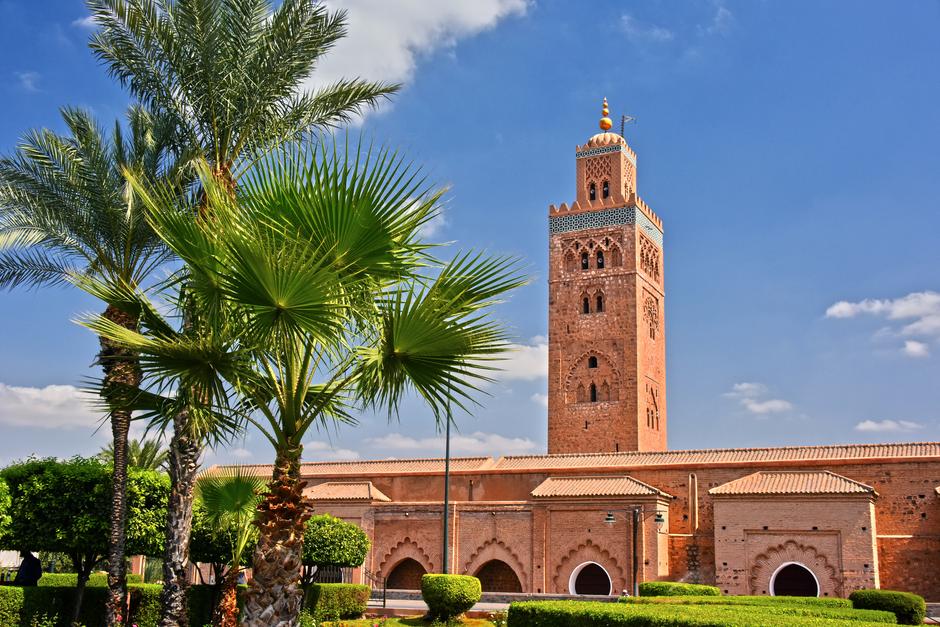
- Al-Qutubiya Mosque. The largest mosque in Marrakech, built in the XII century, is located a few minutes’ walk from the Jamaa el Fna Square. Its 77-meter minaret is visible from afar and can serve as a landmark during walks. Only Muslims are allowed to enter the mosque, but the outer area with a shady garden and benches is open to everyone.
- Bahia Palace. The 19th century palace complex with courtyards, gardens, a mosque and a stable occupies almost 8 hectares. Its name can be translated as “Brilliant” or “Beautiful”. For the construction of the palace, marble from Meknes, cedar from Middle Atlas and terracotta from Tetuan were used. The walls and ceilings of the palace buildings are decorated with intricate carvings with geometric and floral patterns.
- Botanical Garden and Majorelle Park. One of the most beautiful places in Morocco is the landscaped garden created by the artist Jacques Majorelle. He devoted several decades of his life to this garden, collecting and growing plants from different continents. After the artist’s death, the garden fell into disrepair, but in 1980 Yves Saint Laurent acquired, restored and expanded it. When the famous fashion designer died, his ashes were scattered among the roses that inspired him during his lifetime. Now the Majorelle Garden is a great place for walking with fountains, alleys and flower beds. There are museums of Islamic art and Berber culture on the territory.
- Menard Gardens. The huge park with an area of about 100 hectares is very old: it was founded in the first half of the XII century. Thousands of palm trees, olive trees and fruit trees grow here. In the central part of the garden there is a small artificial lake, which reflects the pavilion of the XVI century. The balcony of this pavilion offers a beautiful view of the park and the peaks of the Atlas Mountains.
Meknes
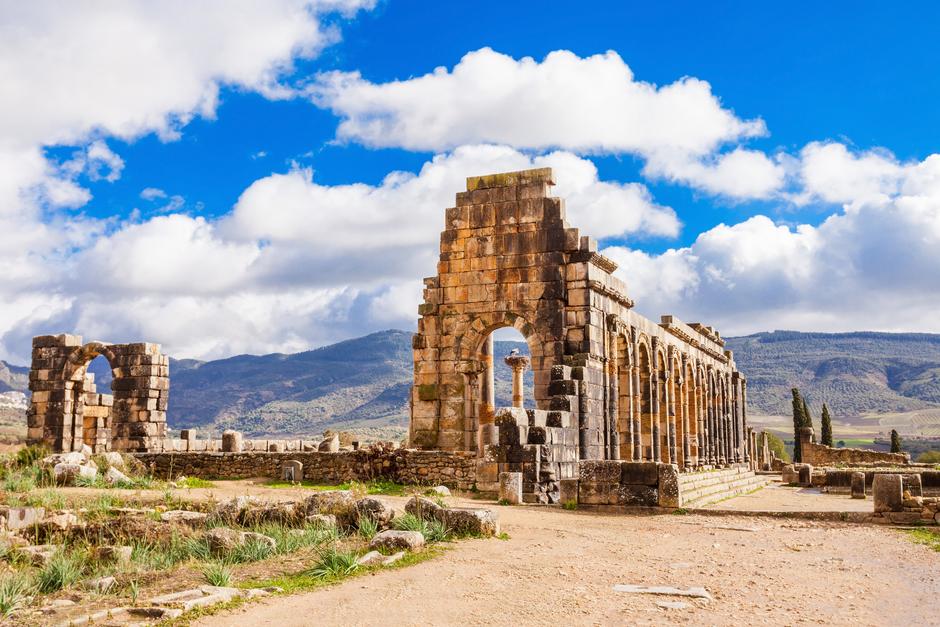
The development of Meknes began in the 8th century, when the first settlement appeared on this site. But the greatest fame came to him in the second half of the XVII century, when Sultan Ismail ibn Sherifa made the city the capital. During that period, such palaces and gardens were built here that Meknes was nicknamed the “Moroccan Versailles”. Many structures were destroyed by the earthquake of 1755. But the rest was enough for the city to be recognized as a World Heritage Monument. If you are choosing what to see in Morocco, Meknes should be included in the itinerary.
Meknes has preserved a massive city wall with towers and a huge gate from imperial times — one of the most majestic in the country. They were built in 1732. Another attraction is known as the Royal Rua Stable. These are the ruins of a magnificent complex, where, according to legend, 12 thousand horses were kept. But modern researchers believe that in fact this is a huge granary, and the stables were in another place nearby and have not been preserved. The granary was constantly replenished by caravans arriving in the city. It accumulated enough wheat for both city dwellers and royal horses. The complex collapsed during an earthquake in 1755, but several of its halls have been restored.
Rabat
Rabat, the capital of Morocco, is famous for its beautiful architecture, which was influenced by Berber, Islamic and French traditions. Its historical district is divided into two parts: the old one has preserved buildings of the Islamic era, and the newer one has many architectural monuments in the European style. All the most interesting things can be viewed in half a day.
Rabat is a quiet city. It is good for leisurely walks along the ancient streets and for exploring the local cuisine. You can try Moroccan delicacies in cafes with outdoor tables or at vendors who sell fresh snacks, pastries and drinks from stalls. The main attractions of Rabat include:
- The citadel of Kasbah Uday. The name Rabat is derived from the Arabic word “ribat”, which means a fortified military camp. The development of the city began with the citadel, built in the XII century. The original structure was abandoned and collapsed, but in the XVII-XVIII centuries it was rebuilt. Today, the narrow streets of the citadel are lined with residential buildings with white walls. From the highest point there is a beautiful view of the sea and the river.
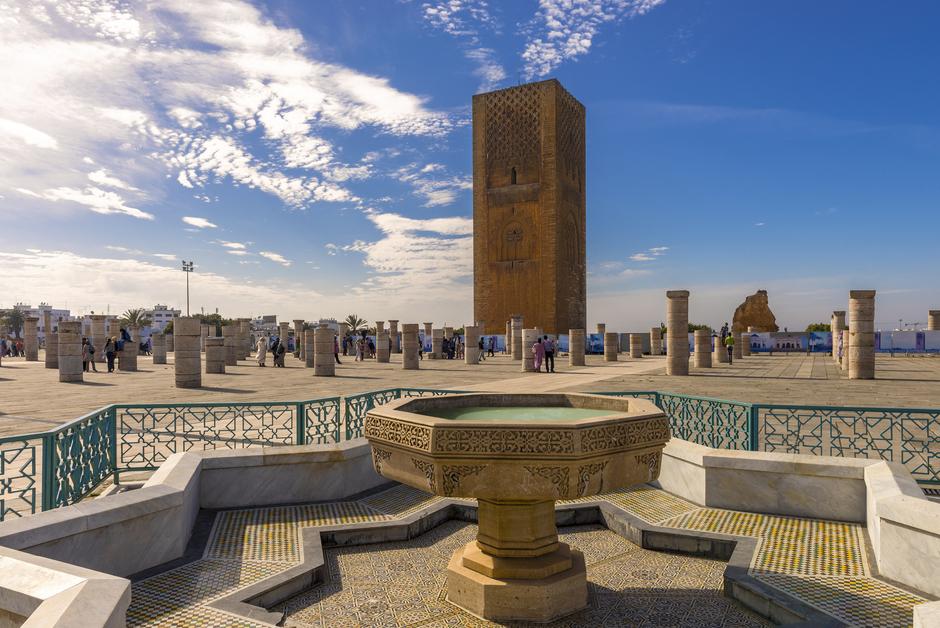
- Hassan’s minaret. In addition to the citadel, in the XII century, a huge mosque with the tallest minaret in the world was planned to be built in Rabat. But the former initiator of the construction, the emir, died, and the project was not completed. The craftsmen managed to erect a minaret with a height of 44 m and install two hundred pillars of sandstone. Now the patterned tower with a forest of columns in front of it is one of the main attractions of the city.
- The Mausoleum of Muhammad V. In front of the Hassan Minaret there is an architectural monument, completed in 1971. It is a brilliant example of Moroccan art with white marble walls, Moorish arches, patterned mosaic decor, carved ceilings and embossing. The tomb is guarded by guards in traditional costumes.
Casablanca
Casablanca is the largest and most populous city in Morocco, as well as the country’s main port. The bustling metropolis is good for shopping, and it is also a convenient starting point to the sights of the country of Morocco. There are few ancient monuments in the city, since the city was destroyed and rebuilt twice. First in the XV century after the Portuguese conquest, then after the earthquake of 1755. But there are many attractions of the XIX and XX centuries in Casablanca. For example, the Habbus quarter, built by the French in the 1930s, or the 20-meter clock tower, built in 1993 according to an ancient model.
The Mahkama du Pasha Palace
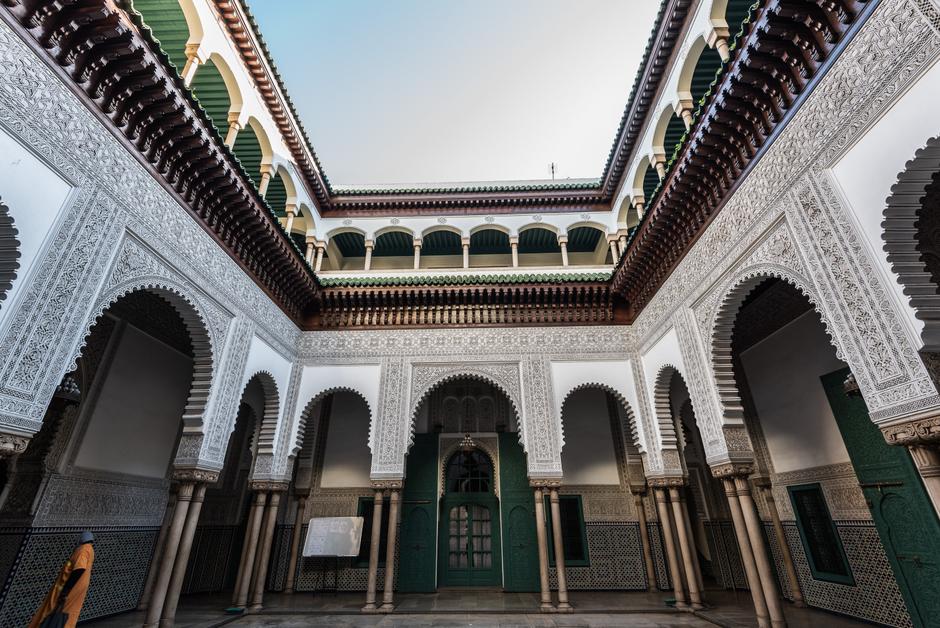
The famous landmark of Casablanca is a beautiful palace, as if descended from the pages of the Arabian Nights. It was built in 1952 and was intended for the local administration, now it is also used by the municipality. From the outside, the building looks like a white-stone European castle with walls of different heights, Romanesque towers and semicircular arches. Inside, among courtyards with flowers and fountains, there are 60 luxurious halls. The rooms are decorated with elaborate stone carvings, openwork wooden panels, figured forging and traditional mosaics with intricate patterns.
Hassan II Mosque
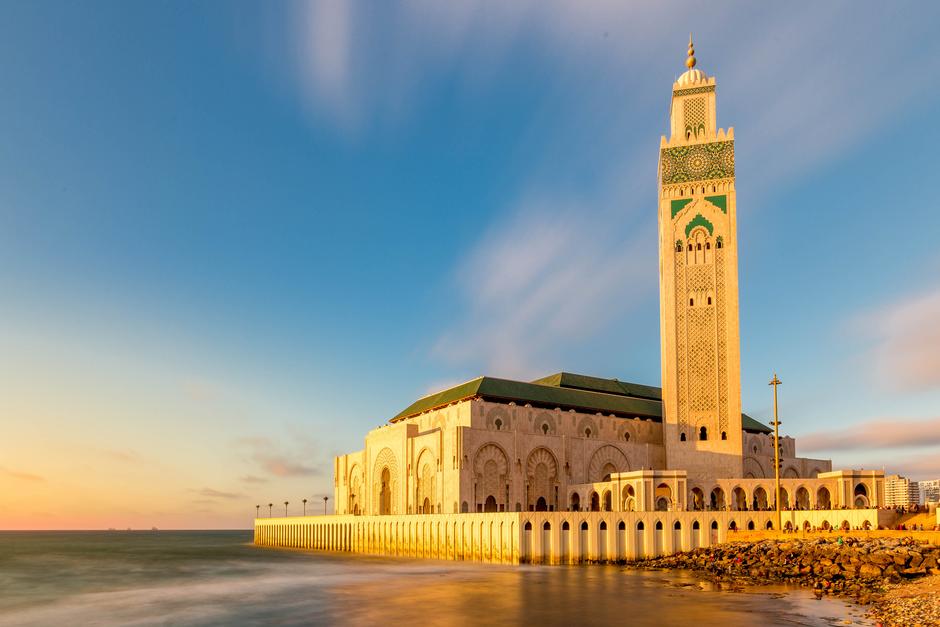
The Hassan II Mosque, completed in 1993, is one of the main attractions of Morocco. It is available to tourists of any faith, only clothes covering the shoulders and knees are needed to visit. Guided tours in different languages are conducted between prayers and last about 45 minutes. The mosque stands on the shore of the Atlantic Ocean and partially stands on an artificial embankment. At high tide, it looks like it’s resting right on the waves. Thanks to the 210-meter minaret, until recently this mosque was the highest in the world. Its inner hall accommodates 25 thousand people, and taking into account the adjacent area, there is enough space for 105 thousand believers.
Thousands of craftsmen from all over the country worked on the masterpiece of Moorish architecture. Everything here is luxurious: marble floors, columns of white and pink granite, exquisite mosaic tiles, inlaid, gilded cedar ceilings, huge Italian chandeliers. Traditions coexist with modern technologies: the authors of the project made the structure earthquake-resistant and took care of the comfort of visitors. In the summer heat, the mosque is ventilated through a sliding roof, and in the cold, floor heating works.
Agadir
The resort town of Agadir is famous for its long crescent-shaped beach, 10-kilometer promenade and many cafes and bars overlooking the ocean. An ideal place for a beach holiday. It is a convenient starting point for tours of the Sahara Desert. But there are also interesting sights within the city:
- The Kasbah. The remains of the oldest city block, built in the XVI century, are located 7 km from the modern center. Only the outer wall of the fortress and traces of ancient dwellings have survived to our time. The Kasbah is located on a hill with a beautiful view.
- Agadir Market. The main city market accommodates about 6 thousand retail outlets. This is the best place to buy souvenirs and gifts. There are spices, fruits, natural cosmetics, carpets, ceramics and much more. Tajine dishes, argan oil and traditional Moroccan clothes are very popular among tourists.
- Valley of Birds Park. On a hot day, go for a walk in a green and shady park. In addition to birds, animals also live here: monkeys, llamas, deer. In the park, you can relax on a bench by the fountain, admire colorful parrots and flamingos, and feed mountain goats. There is a playground for children.
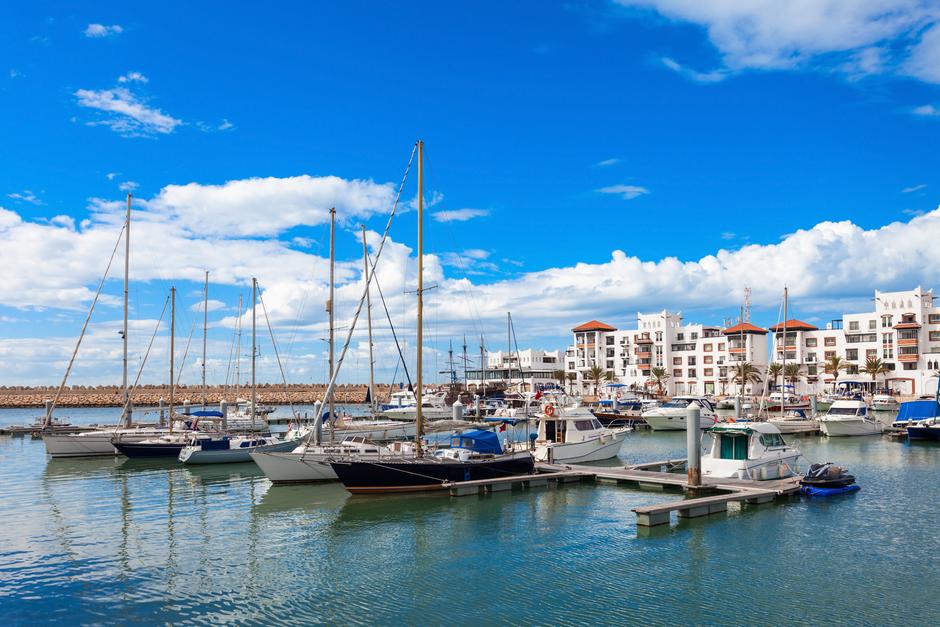
- Fishing port. Significant funds have been invested in the construction of the port with a walking area, so you can feel like in Dubai here. There are cafes, restaurants and hotels in this area, boat trips and excursions are organized.
El Jadida
The historical architecture of the port city of El Jadida demonstrates a unique combination of European and Moroccan traditions. At the beginning of the XVI century, the Portuguese settled here and founded a fortress, from which four bastions have survived to this day. Ruins remained of the fifth. The Citadel of El Jadida is included in the UNESCO World Heritage List, festivals and films are held there. Next to the entrance there is a market where they sell pastries, fruits, medicinal herbs, ceramics and other things.
Chefchaouen
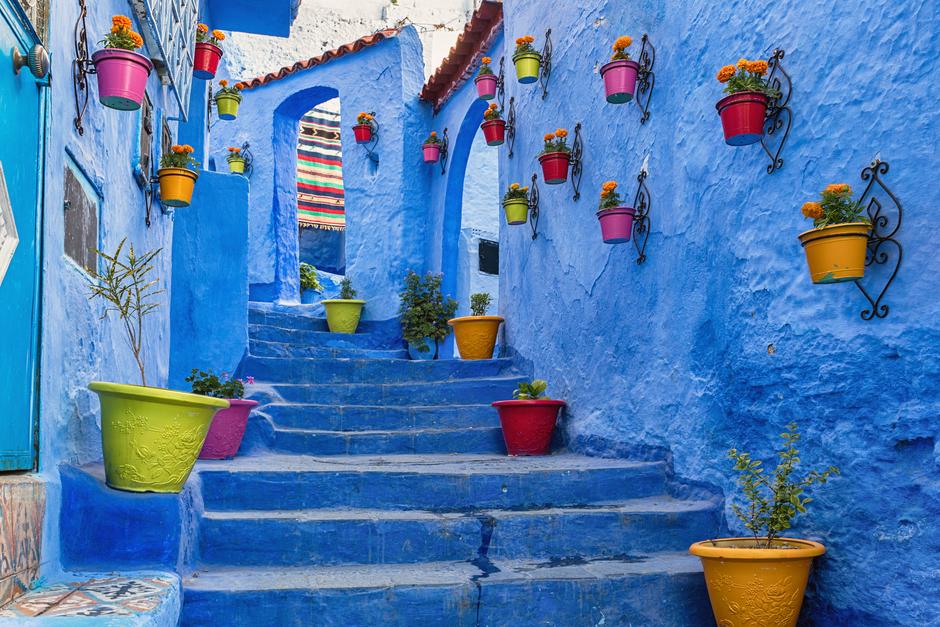
One of the best places in Morocco is the well—recognized town of Chefchaouen. There are many houses on its streets as blue as the cloudless sky above. The tradition of painting houses in blue and light blue shades originated in the XV century, when Jewish refugees from Spain settled in this place. Although centuries have passed since then and the population has become Muslim, the custom has remained. You can take a lot of beautiful and atmospheric photos in Chefchaouen. In the old part of the city, architectural monuments have been preserved, which trace the Andalusian influence.
Ait Ben Haddu
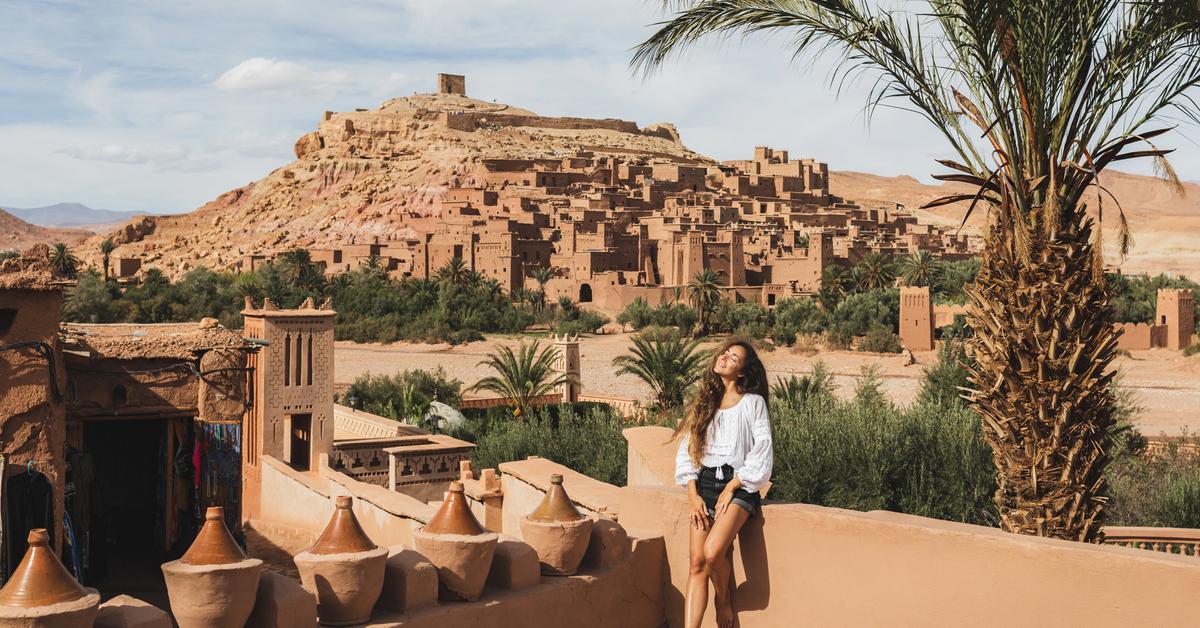
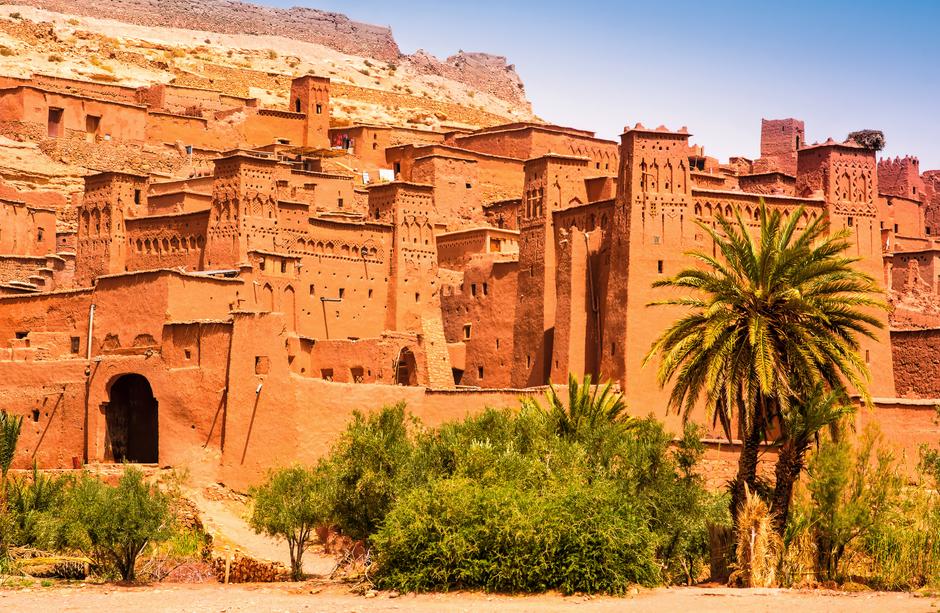
The fortified city of Ait Ben Haddu was once a stop on the caravan route through the desert to Marrakech. It originated in the XI century, and the modern architectural appearance of this place was formed in the XVII century. But gradually the city fell into disrepair. By the middle of the 20th century, there were about 90 families here, and by now there are almost no residential buildings left. Clay buildings are quickly destroyed by rain and wind without maintenance. But in 1987, the city was taken under UNESCO protection, and in 2007-2012, some of the buildings were restored.
If you choose what to see for a tourist in Morocco, Ait Ben Hadda should be included in the list. The abandoned city is also interesting because filming often takes place here. For example, the TV series “Clone” and “Game of Thrones”, the films “The Mummy” and “Gladiator” were filmed in this place.
Natural attractions of Morocco
If you love beautiful nature and active recreation, you can come to Morocco again and again. You will not be able to see all the most beautiful and unusual corners in one trip: rivers, mountains, gorges, waterfalls, and the sands of the Sahara. There are 11 national parks with different natural conditions in the country. We tell you where to go to Morocco in the first place:
- Thalassemtane National Park. Located near Chefchaouen, the national park appeared in 2004 to protect the fir forests of Morocco. Atlas cedar and dozens of endemic plants are also found here. There are many waterfalls, gorges and caves among the attractions of the park. The rock formation called the Bridge of God is especially famous.
- The Atlas Mountains. Named after the Greek titan, the mountain system is divided by altitude and climate into three parts. The highest mountains are in the Upper Atlas, including the highest point in Morocco, Mount Toubkal. It is located 60 km from Marrakech. Despite the height of 4,167 m, it is convenient for climbing. There are many picturesque forests, gorges and canyons in the Middle Atlas. The lower Atlas is covered with date and palm groves, and closer to the desert it turns into arid plateaus.
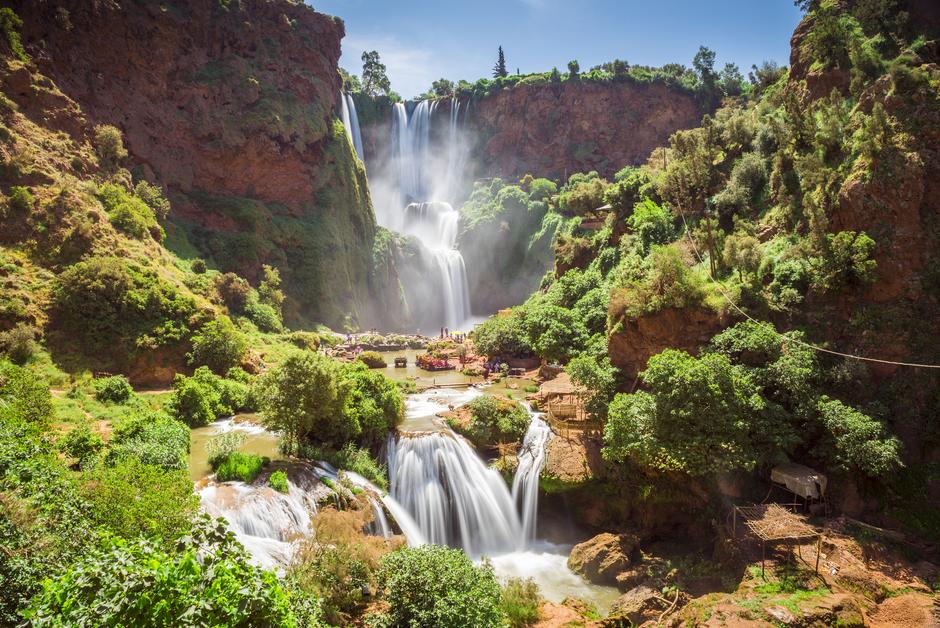
- Uzud Waterfall. In the Atlas Mountains, 130 km from Marrakech, there is a cascading waterfall, which is one of the ten highest waterfalls in Africa. Its height is about 110 meters. This is one of the most popular destinations for day trips from Marrakech. Along the way, you can see Berber villages and beautiful landscapes. There are cafes and souvenir shops near the waterfall, and you can rent a boat.
- Draa River Valley. The Draa is the longest river in Morocco, it stretches for 1,150 km. Rock paintings and archaeological finds confirm that the river valley was inhabited many thousands of years ago. For example, the oldest statuette in the world, about 500 thousand years old, was found here. Now there is a hiking trail along the valley, which is considered the most beautiful in Morocco. On the way, you can visit Berber villages and try 15 varieties of dates growing here.
- The Sahara Desert. One of the most interesting places in Morocco is the desert, where you can see magnificent sunsets over the dunes and the endless night sky full of stars. The Erg Chebbi sandy Sea is especially famous with a length of 22 km. Its yellow, orange and pinkish dunes rise up to 150 meters.
- Hercules caves. In the north-westernmost point of the African continent there is a famous cave complex of karst origin. In the Neolithic era, ancient people lived in these caves, and later the Berbers mined stone for millstones here to make olive oil. Now it is a popular tourist destination: there is a good road to the caves, there are several cafes and a hotel nearby.
There is a lot to see in Morocco, and even in a week or two it is impossible to see everything. You can come here many times and constantly discover something new. Travel will always be pleasant, because Morocco has a well-developed tourist infrastructure. There are roads, hotels, cafes and shops everywhere, and locals are happy to welcome guests.
Although you can see many of the sights of Morocco on your own, it is better to use the services of a guide. He will tell you about the history of the city you are in, about architectural monuments, exhibits in a museum or about plants in the garden. During trips to nature, the guide will advise the most picturesque routes. It is most convenient to find an experienced travel assistant in the Guide Club. Choose a suitable tour on our website and book it online!


 English
  Russian
  German
  Polish