The Dominican Republic is the most visited country in the Caribbean. Millions of tourists come here every year, but most of them rarely leave the hotel grounds, enjoying the delights of an all-inclusive holiday. And behind the fences of the hotels, life is in full swing, there is a land where there are not only snow-white beaches and coconut palms, but also high mountains, bubbling waterfalls, coral reefs, picturesque deserts, colonial towns and tiny villages inhabited by surprisingly friendly smiling people.
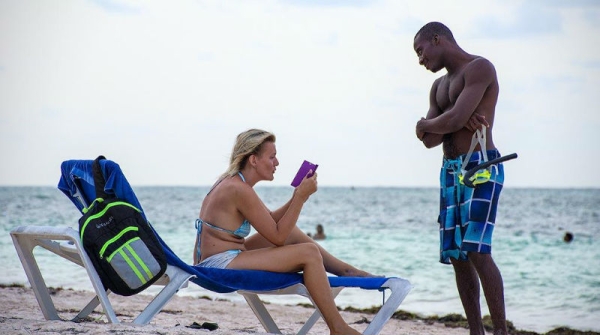
Following in the footsteps of Columbus, Bigpiccha set off on a long journey to the wonderful island of Hispaniola. Dominicana is an amazing paradise on Earth, where it is so easy to leave your heart forever. I would like to tell you everything about her that we learned during the ten days of traveling through the whole republic. These facts are first—hand, because our trip was supervised by real experts in the Dominican Republic from the local Ministry of Tourism, and we can show it through the prism of Pentax photographic equipment from the Ricoh Imaging company.
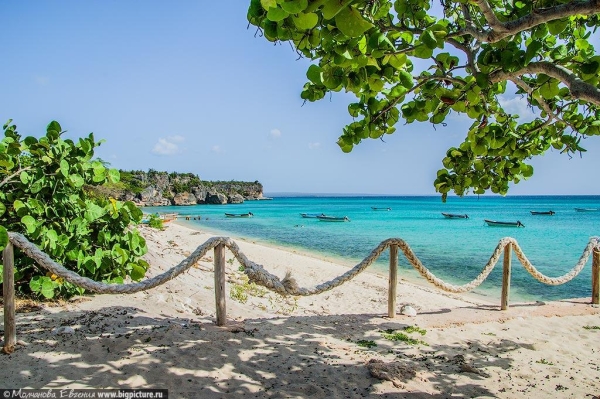
1. For all travelers and numerous tourists, the Dominican Republic is primarily a luxurious beach with snow—white sand. The island is washed by the Atlantic Ocean from the north, the Caribbean Sea from the south, and the total length of the Dominican beaches is more than a thousand kilometers. By the way, although in most advertising photos the sand is most often white, in fact the shades of the beaches on the island are very diverse.
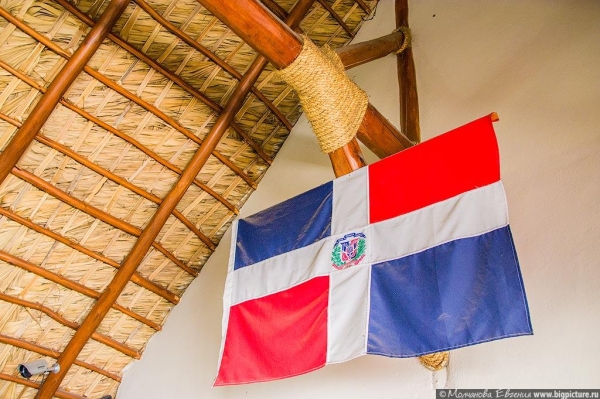
2. The flag of the Dominican Republic is red, white and blue with a Bible in the middle. The red color symbolizes struggle, blue — freedom, white — the strength of the people.
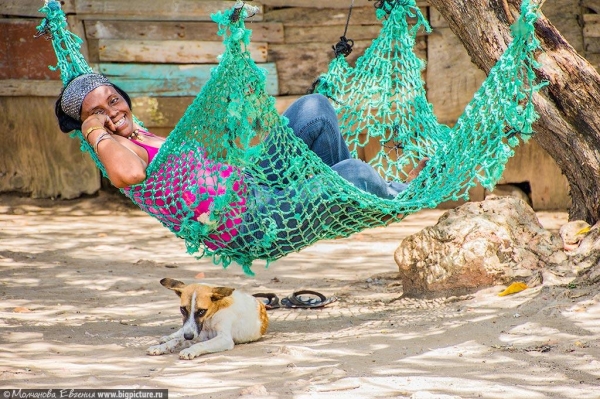
3. Dominicans, like all inhabitants of the Caribbean, are very contemplative people. Those who are not used to such a relaxed lifestyle may call it idleness or banal laziness. But personally, it seems to me that this is not laziness, but a very valuable ability to live here and now, when you begin to truly appreciate the simple joys of life, deeply and acutely living the present moment. But there are also costs to this contemplation — like the Dominican “punctuality”, which has an impact on local service… When you come to the Dominican Republic, be patient. If you have been promised something “in five minutes”, be prepared to wait for half an hour or an hour. The local “manyana” (Spanish for “tomorrow”) means that you will have to train your patience much more thoroughly. Well, the Dominican “day after tomorrow” means “never.”
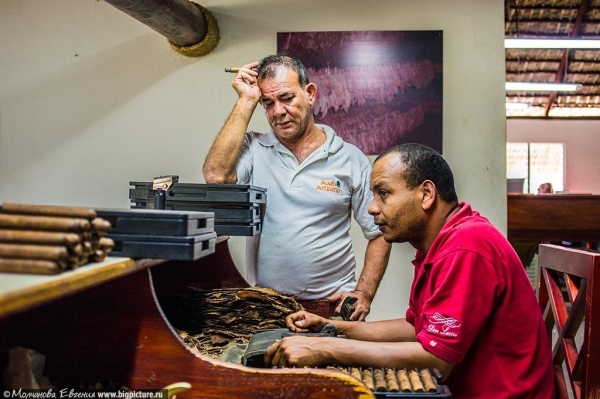
4. After the embargo was imposed on Cuba, the Dominican Republic seized the palm tree in the production of cigars, and today there are probably more cigar factories and manufactories in the Dominican Republic than there are breweries in Germany. In every village there is a cigar shop, and the people who spin these cigars. This is done exclusively by hand. An employee can roll up to three hundred cigars per day.
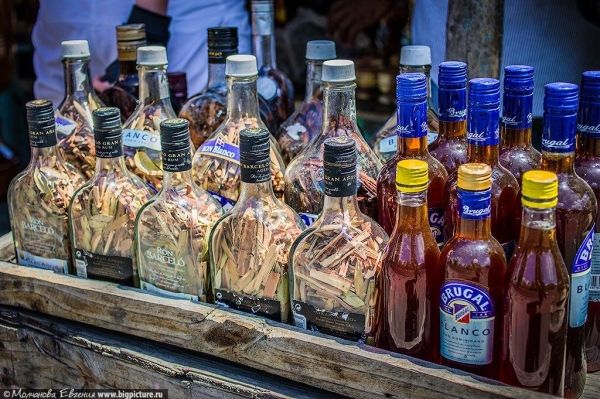
5. Mama Juana is a treasure of local folk medicine, a tincture based on a mixture of dry stems and leaves of seven local plants, which is said to be a strong aphrodisiac. Alcohol is poured into the bottle (it can be any, even the cheapest wine and rum), honey is added and infused for three weeks, after which the Dominican “Viagra” is ready for use. But it should be consumed in moderation — just one glass at a time. But when the contents of the bottle are over, it can be filled with alcohol over and over again.
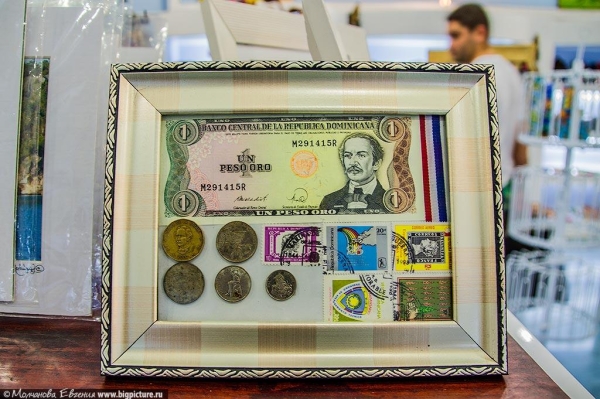
6. The local currency is the Dominican peso. At the time of writing, the peso to dollar exchange rate was approximately 43.5 to one. Therefore, small coins and one-peso banknotes as in the photo are no longer in use. In tourist regions, you can easily pay in dollars, but it is still more profitable to pay in local currency. All prices in stores are marked with the $ sign — this is how the Dominican peso is designated — like the American dollar, but with one dash.
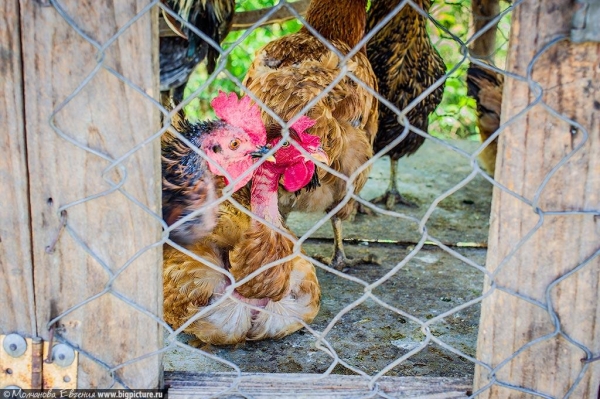
7. In the Dominican Republic, chicken is extremely tasty, which forms the basis of the diet along with rice and beans. La Bandera Dominicana (Dominican flag) is the name of the simple food of ordinary Dominicans. La bandera includes rice (white), stewed beans and meat (red) and vegetable salad (probably blue). This simple meal is consumed every day, that is, such dishes are as constant here as the daily raising of the flag.
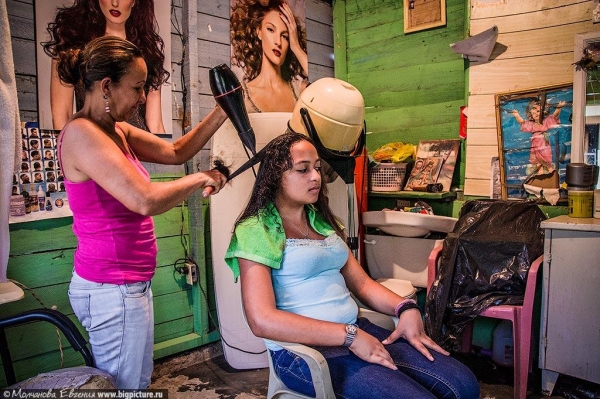
8. Even living very modestly, a Dominican woman goes to the hairdresser at least once a week to get her hair done, manicured and pedicured. Due to the local climate and genetic characteristics, hair and nails grow especially fast here. Most of the inhabitants of the island have curly hair, so straightening hair has been a local trend for many years. Most of the hair cosmetics sold in local stores are designed to straighten the hair. It must be admitted that straight hair suits mulatto women very well.
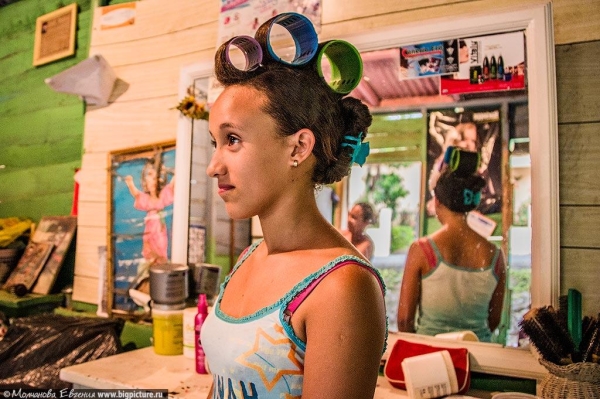
9. Curlers are often used to straighten hair. At the same time, there is nothing shameful for Dominicans to appear in this form on the street. Having put a special mesh on top of the curlers, they, completely unabashed, go out into the world, drive around in transport, etc. Unfortunately, there was no street “curler bow” among my photos, so I will illustrate this fact with a picture taken in a small village “beauty salon”. This establishment near Harabakoa was a modest shed by the side of the road.
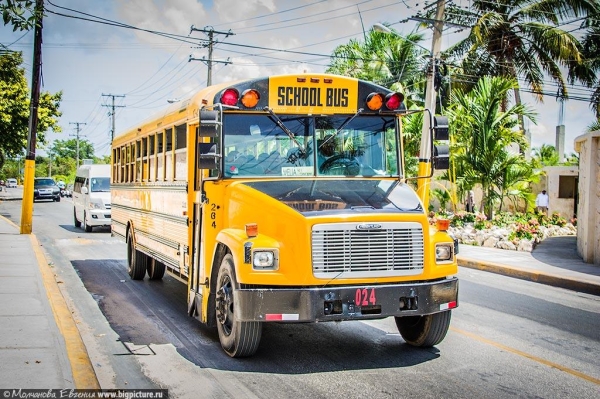
10. Decommissioned school buses from the States travel around the Dominican Republic here and there. This is somewhat reminiscent of the abundance of various vehicles with German inscriptions on Ukrainian roads: the fact that in the USA or Germany there is already a lack of tradition, in simpler countries there are good—quality cars.
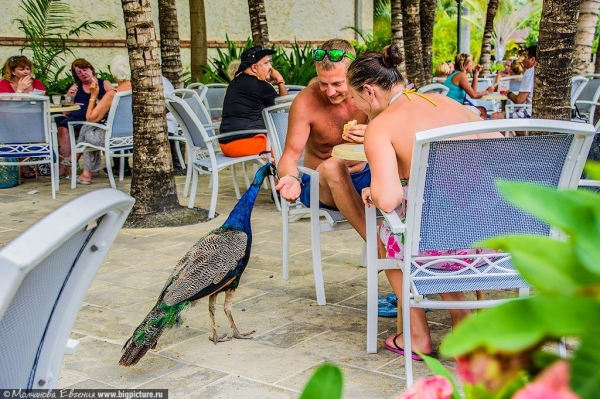
11. In all-inclusive hotels, birds are sure to walk around the territory — flamingos, swans, herons, peacocks, ducks and even ordinary chickens. The simpler the hotel, the fewer flamingos and more chickens 🙂
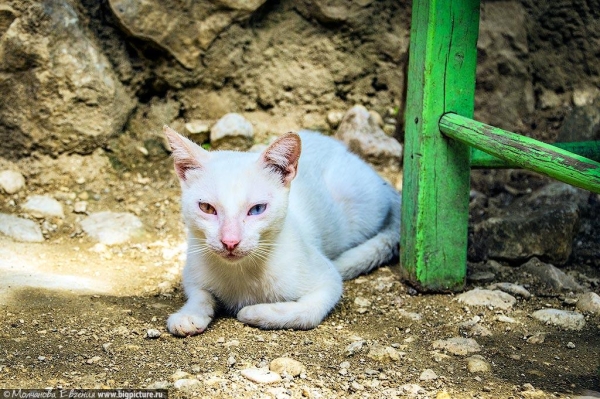
12. Dominican cats do not understand either the Russian “kitty-kitty” or the American-British “kiri-kiri”. If you want to contact the local mustachioed-striped ones, use the call signs “miss-miss-miss”. And the most popular cat name on the island is Mauricio (like our Vaska).
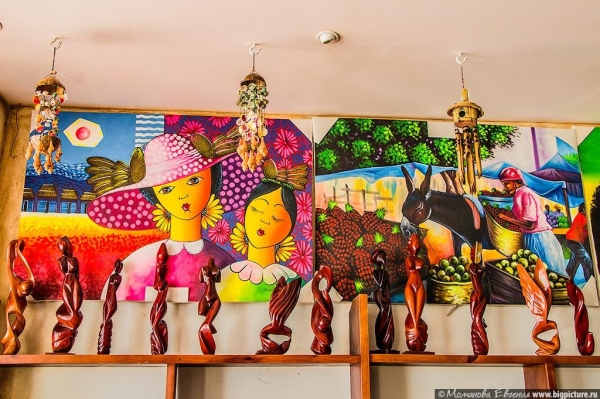
13. Funny paintings in the style of Haitian naivete are found everywhere in tourist shops. All of them are unusually poisonous-bright, somewhat monotonous, but still they have a certain charm.
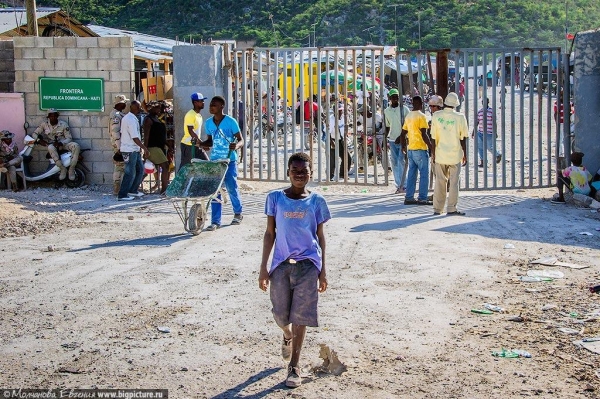
14. Most of the Dominican military is involved in border protection with Haiti. At the same time, the border is equipped very conditionally. This is how, for example, the border checkpoint looks near Himani in the province of Independence, where we visited during our trip. The gates, according to a representative of the Ministry of Tourism, open twice a week, but judging by the human traffic, this is not entirely true.
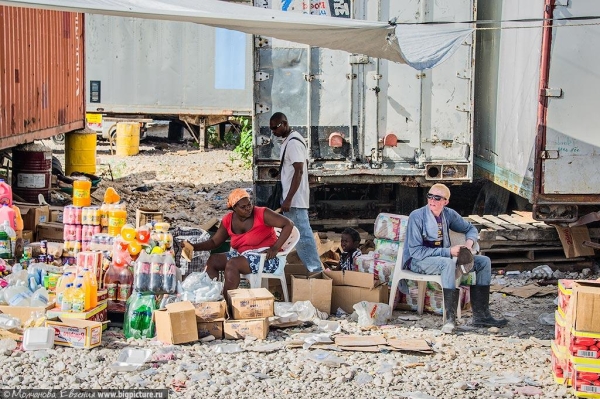
15. On both sides of the gate there is a large market where Dominicans and Haitians trade in bulk. Haitians mainly sell humanitarian aid, which is brought to them from all over the world in order to save them, the poor. Well, they escape as best they can.
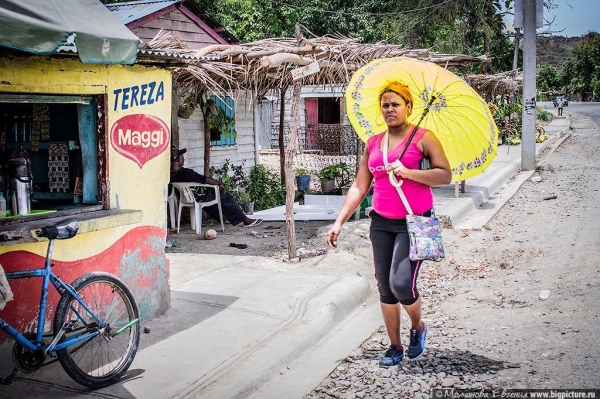
16. The concept of “rainy season” does not exist in the Dominican Republic. In the Dominican Republic, the umbrella is mainly designed to protect from the sun, because it rains mostly at night or for an hour and a half in the afternoon. It rains from May to September, of course, more than at other times of the year. But it is not worth comparing these rains with the Indian monsoon or Thai tropical downpours.
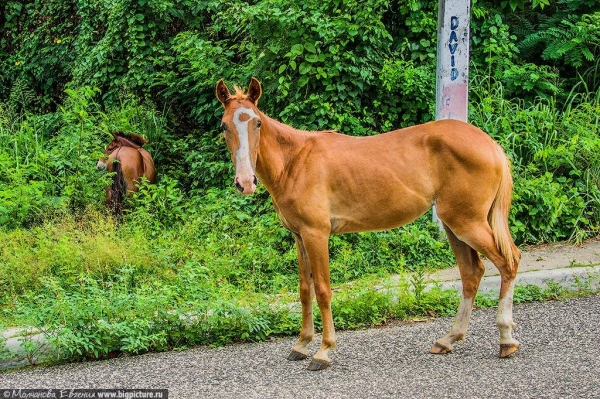
17. Horses are often used as transport. In the depths of the island, you can meet local residents, just grazing unattended by the roadsides. Dominican horses are short and rather unsightly. There are many mules and mules.
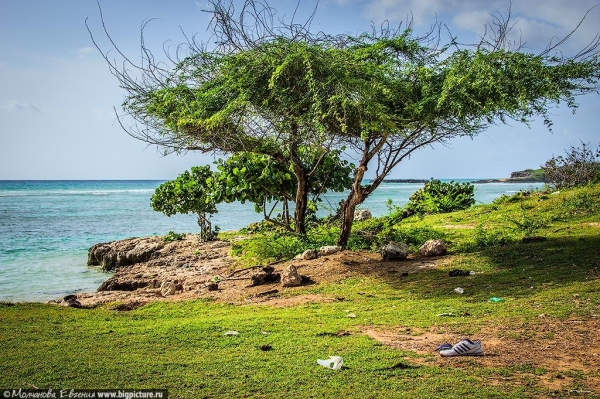
18. The Dominican Republic is a rather dirty country: the recycling of garbage is not important here, and all roadsides, beaches and other places are densely covered with bottles, plastic, bags. For example, this photo was taken on the picturesque and completely deserted Playa Saladia beach in the non-tourist region of Barahona.
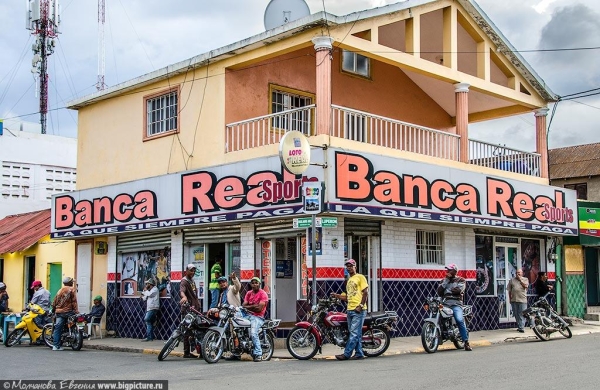
19. Dominicans are big lottery fans. Even in the most remote, God—forsaken places far from civilization, there will definitely be a banca (Spanish – “lottery”) and, perhaps, more than one. In small villages, these are flimsy sheds, in cities — more respectable establishments, like the one in the photo. And the locals are always ready to take their hard-earned money there to pay their “dream tax”.
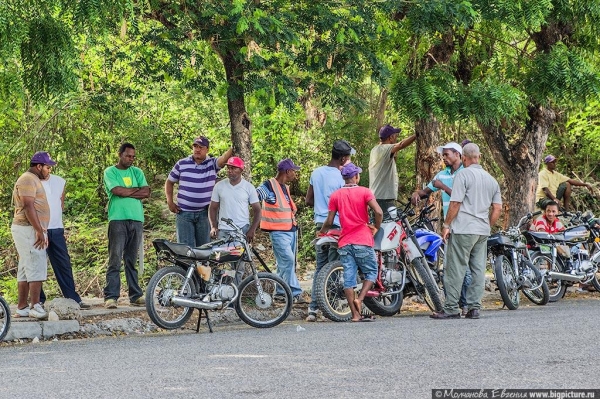
20. Along the roads, you can often meet people who are idly standing or sitting in large or small groups, watching what is happening around them, communicating. Watching pictures of life and communicating with others is included in the list of favorite activities of Dominicans, along with songs and dances.
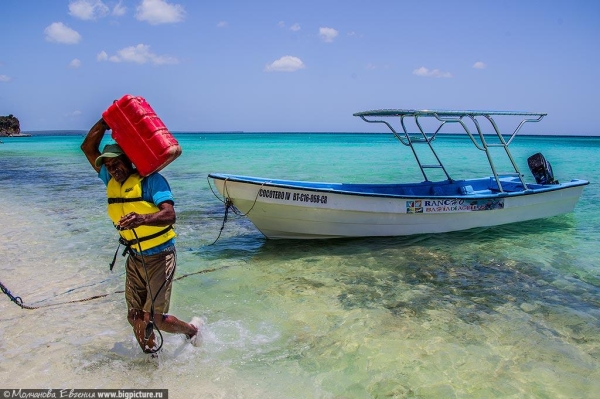
21. There are two countries in the Caribbean with very similar names — Dominica and the Dominican Republic. But the origin and meaning of these names are completely different. Dominica got its name from the Italian word “Sunday”, since on this day the island was discovered by the expedition of Christopher Columbus. But the Dominican Republic became so named from the name of its capital, Santo Domingo, received in honor of St. Dominic, the founder of the Dominican Order.
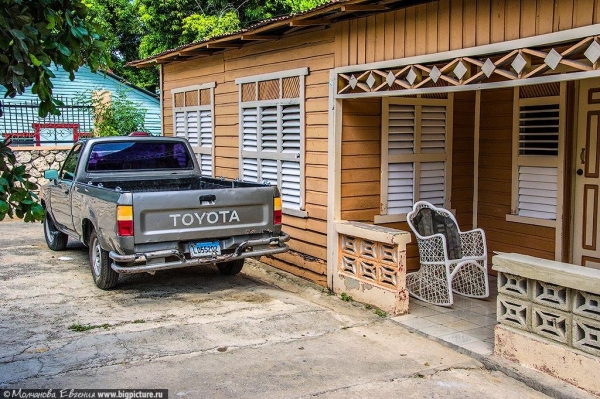
22. In the Dominican outback, as well as in India, windows are not glazed. Glass is replaced by grilles or wooden blinds. And such delicate rocking chairs, as in this photo taken near Lake Enriquillo, were found on the terraces of houses all over the country. Great furniture for contemplative people.
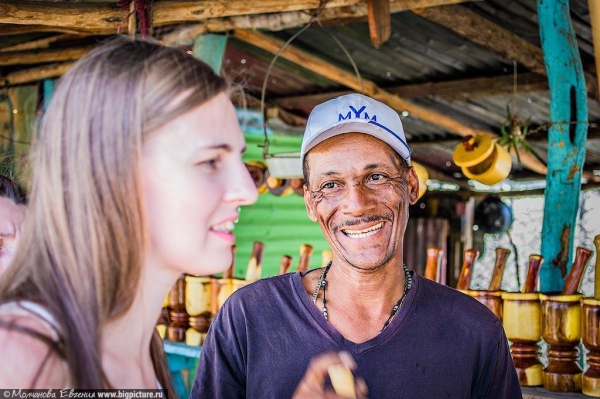
23. If you are white, then by default you will be mistaken for an American, because there are really a lot of tourists from the USA on the island.
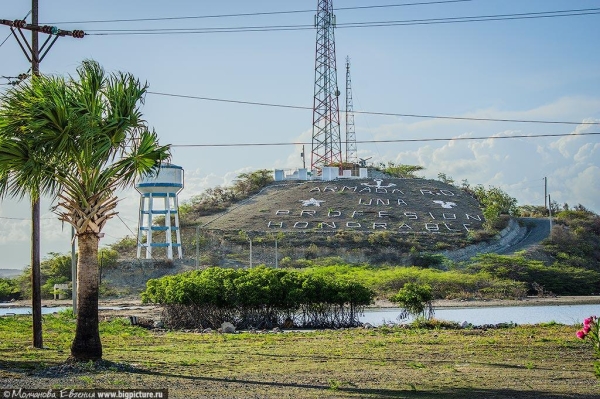
24. “Military is an honorable profession,” reads this inscription on a hill near one of the Dominican military bases. Military service in the Dominican Republic is voluntary and in high demand, because for many young people from poor families it is one of the few ways to make a career and provide for themselves and their family.
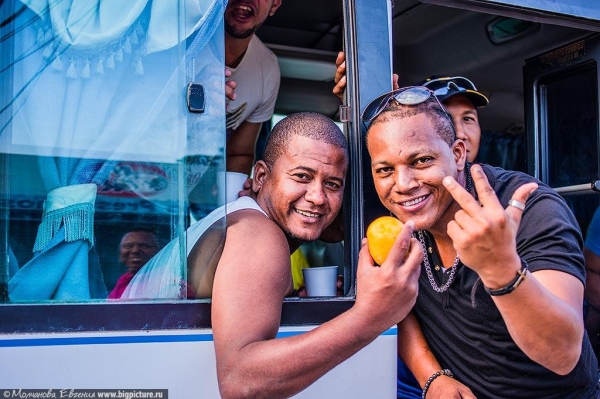
25. The Dominican Republic is an ideal country for photo tours. There is not only beautiful nature, many colonial attractions, but also beautiful types on the streets. Islanders love to be photographed and are very photogenic and artistic at the same time. With great pleasure, we are ready to get into the frame, while depicting the signature gesture of “victory”. I took this photo in Bani, a mango region where up to 120 varieties of this wonderful fruit are grown. We got off the bus to buy mangoes. Catching up with our group with the Pentax at the ready, I heard joyful shouts from the bus: “Hey, darling! Take a picture of us!” After taking a picture, she ran on, and after that she rushed: “And me? Take a picture of me too…”
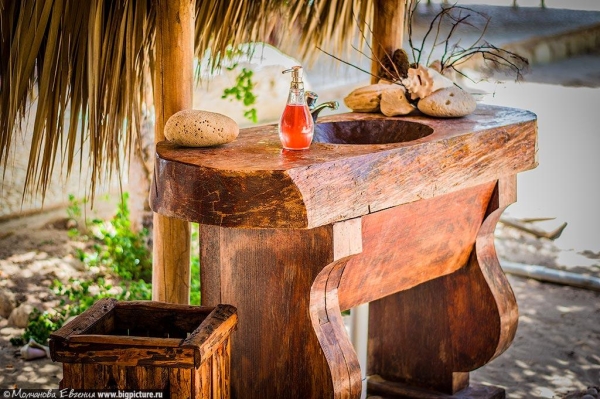
26. One of the tips for tourists going on vacation to the Dominican Republic is not to drink tap water in any case. Those who want to be safe should use bottled water even while brushing their teeth. In the Dominican Republic, there is high humidity, which, of course, is very good for the skin, but is unusual for Europeans, especially in summer.
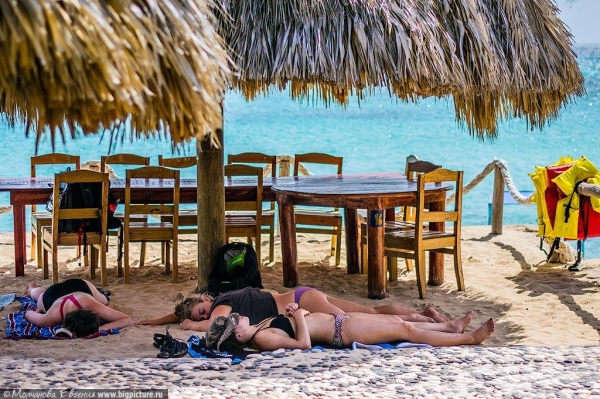
27. Do not underestimate the Dominican sun — because of the high humidity and geographical zone, it is easier to burn here. Therefore, it is best to use a sunscreen with a protection factor of at least 50 SPF and at the same time try to update the cream layer as often as possible.
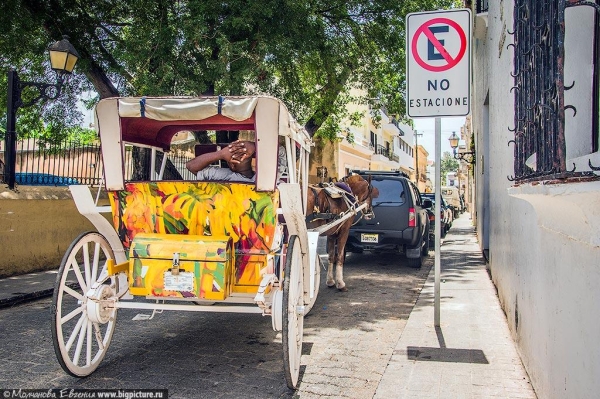
28. “No Estacione” — do not park. In the colonial city of Santo Domingo, these signs can be seen everywhere. And there are rows of various vehicles parked under them, including horse-drawn vehicles. Many cars have numerous scratches on the sides, because getting through the narrow streets of America’s first city without scratching parked cars is only possible for an ace millimeter driver.
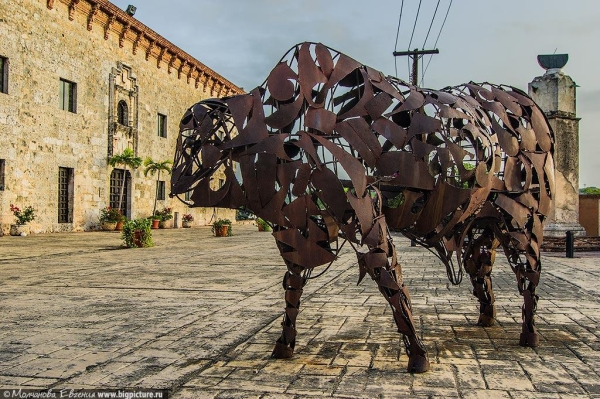
29. In different parts of the country, you can find original metal sculptures like this bull, which stands in the Old Town of Santo Domingo and has already become a kind of visiting card of the colonial city. The author of the sculptures is the famous Dominican master Jose Ignacio Morales. In his workshop El Arcistico in the province of La Romano, the sculptor, together with his students, difficult teenagers, creates a wide variety of metal products.
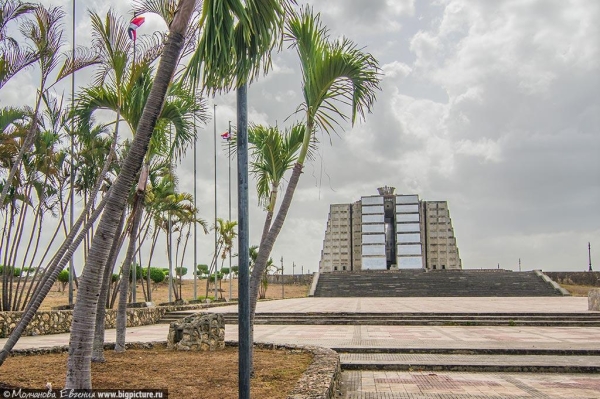
30. To mark the 500th anniversary of the discovery of America, the Columbus Lighthouse Memorial was built in Santo Domingo – an impressive building in the shape of a cross dedicated to the discoverer of America. The construction of this building cost $50 million. There is an urn with the ashes of Columbus, namely with his heart.
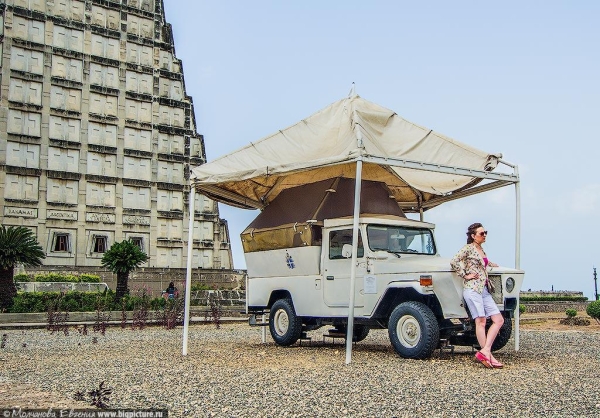
31. There is a very unusual landmark of Santo Domingo near the Columbus Lighthouse. This is a Papamobile, a gift from Paul John II, who once called the Dominican Republic “the most Catholic country in the world.” The pontiff visited the country many times, and decided to give his transport to the Dominicans during his visit in honor of the opening of the Columbus Memorial.
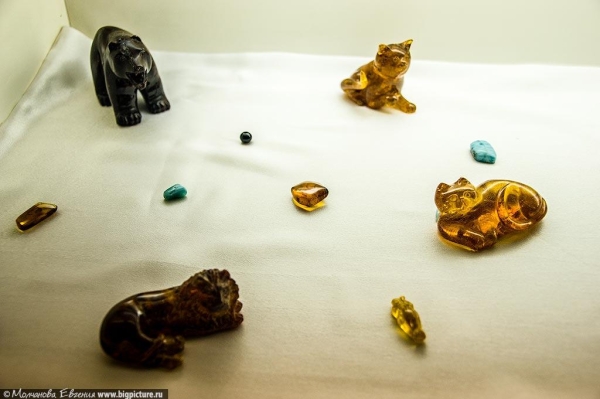
32. The northern coast of the Dominican Republic is called the Amber Coast, which in Spanish sounds like Puerto Plata. It is here that the world’s largest deposits of amber are located, so amber jewelry is considered a popular Dominican souvenir. Of course, it is difficult to surprise Russian tourists with amber, but in the Dominican Republic it is special. Firstly, amber with plants, insects and small animals inside is often found here, and secondly, Dominican amber comes in a wide variety of shades: black, green, red and even blue.
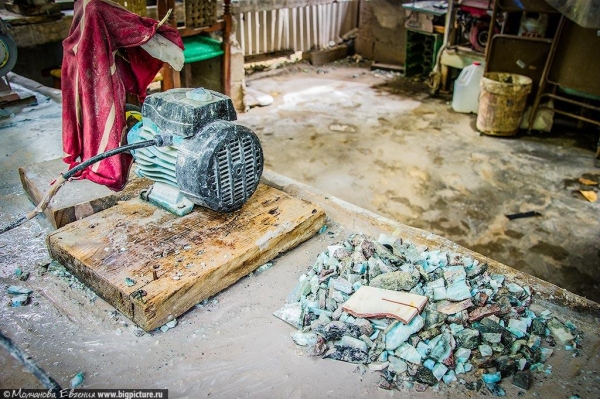
33. The Dominican Republic is the only place in the world where larimar is mined. This blue semi-precious stone is also called “Dominican turquoise”. Experts believe that this is a mineral called “pectolite”, only of an unusual color. Larimar was first discovered by jeweler Miguel Mendes in 1974. He named the unusual stone in honor of his daughter Larisa and in honor of the sea (mar is the sea in Spanish). The photo shows a raw larimar in a grinder’s workshop in Baraon.
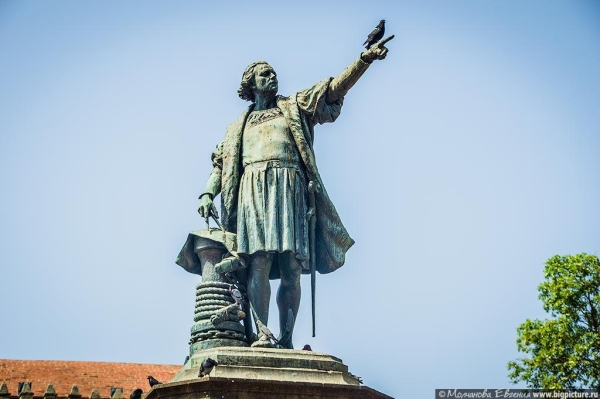
34. Christopher Columbus, who discovered the island on which the Dominican Republic is located in 1492, considered this land to be the most beautiful of all where a human foot has set foot. He named the island Hispaniola. However, it is customary to call this land “the island of Haiti”. In fact, the Republic of Haiti occupies only a third of the island and is separated from the Dominican Republic by mountains.
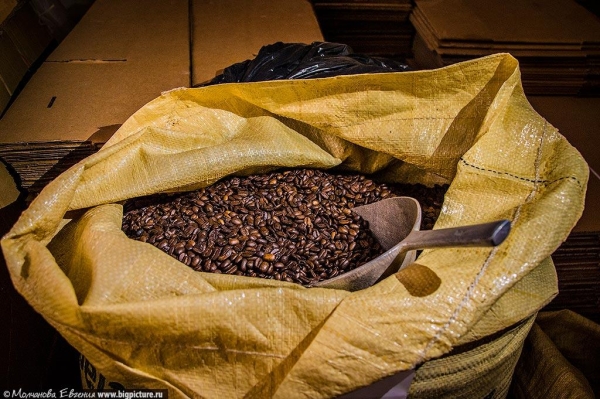
35. In addition to sugar and tobacco, coffee is an important export product of the Dominican Republic. It has been grown here for three hundred years. Dominican coffee is appreciated all over the world for its aroma and strength and is rightfully considered one of the national symbols and objects of pride.
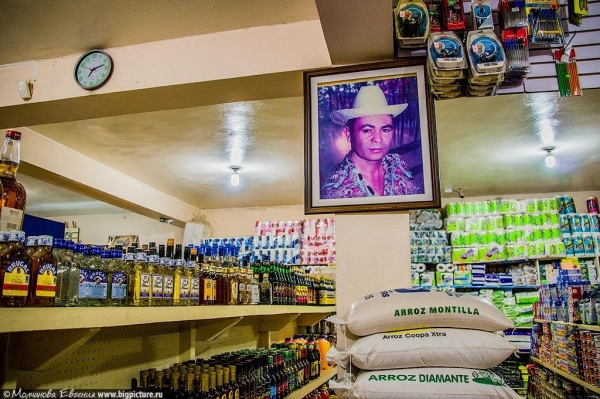
36. The life of ordinary Dominicans is closely connected with the kalmado — small shops, which are in abundance even in the smallest settlements. The owners of these shops try to offer customers the widest range — there will be products, medicines, and even nails — in general, everything that could interest the target audience. Many kalmados specialize in small purchases: you can buy anything by the piece, and home delivery is also organized, that is, you don’t even have to go to the store — everything you need will be brought. For many locals, “life was a success” is to have your own two—story house: a family lives on the second floor, and on the first floor there is your own profitable shop where you can hang your own proud portrait.
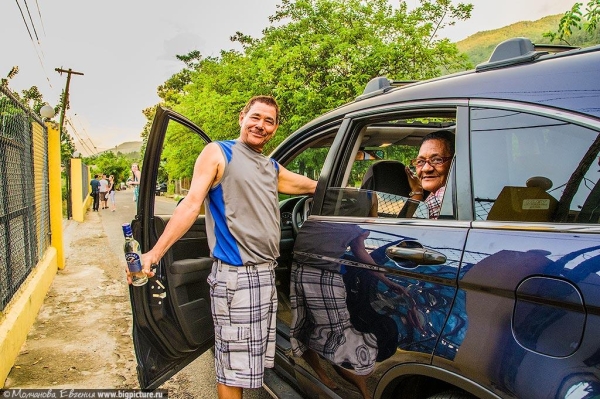
37. Although the Dominican Republic is one of the largest importers of tobacco, Dominicans rarely smoke, but quite often drink (mostly rum and beer), but they know the measure: it is almost impossible to meet a drunk local on the street. Getting drunk behind the wheel is also often practiced here, but despite this and the specifically chaotic traffic on the roads, accidents do not happen often here.
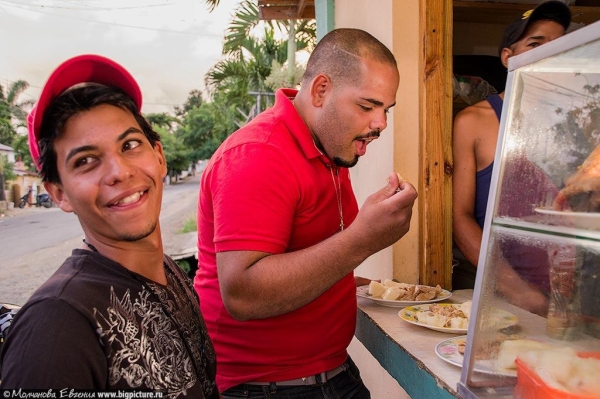
38. Dominicans like to eat delicious food. There are three types of business that will always be afloat in the Dominican Republic: car repairs, hairdressers for eternally preening Dominicans and everything related to “eating”. At the same time, local products are natural and very tasty.
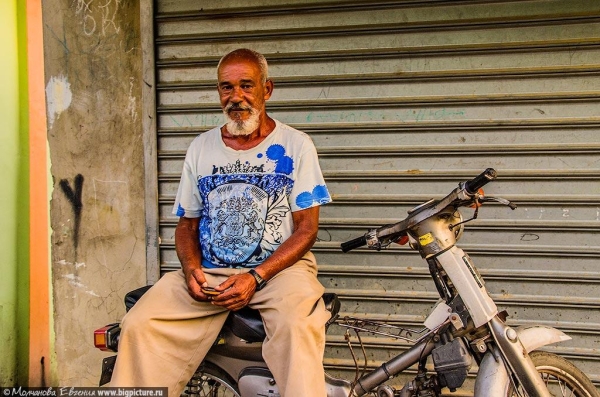
39. In the Dominican Republic, there are no social benefits such as pensions, maternity capital and other benefits and subsidies. Upon retirement, the so-called “liquidation” is paid at a time, that is, those deductions that were made during the years of official employment, and after that the elderly can only rely on their numerous relatives or on their own strength.
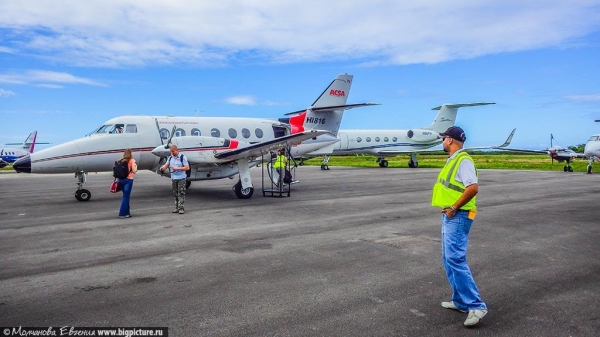
40. In addition to other transportation, there are air taxis in the Dominican Republic that can be ordered from small local private airlines. It’s not cheap, but you can fly the whole country in a couple of hours.
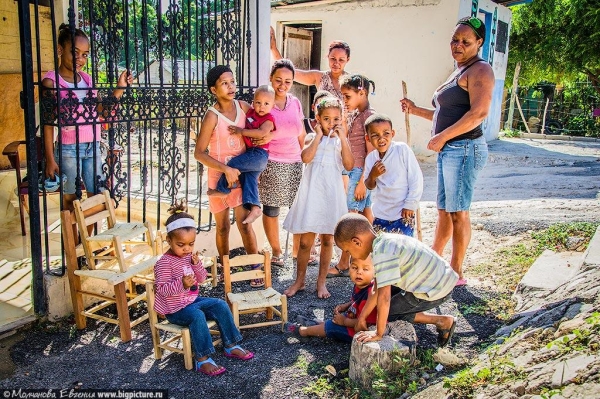
41. The Dominicans are a very child—loving nation. Families here are mostly large, they often have children early, because abortions are legally prohibited, and marriages are officially allowed from the age of 15 for girls and from 16 for boys.
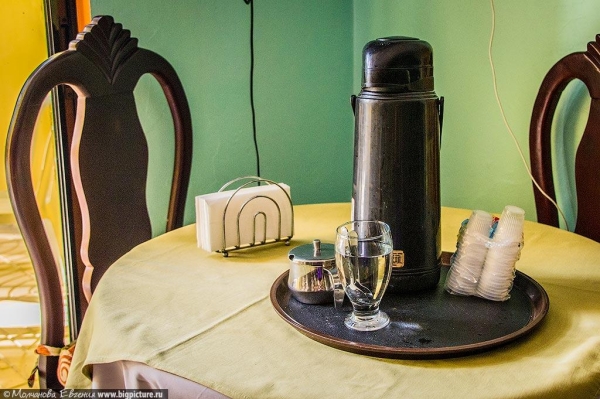
42. There is practically no tradition of drinking tea in the Dominican Republic — everyone drinks coffee. At the same time, local coffee is quite strong, and it is usually drunk not from cups, but from small disposable cups with 20 milliliters. Such a portion of cheerfulness costs 5 pesos.
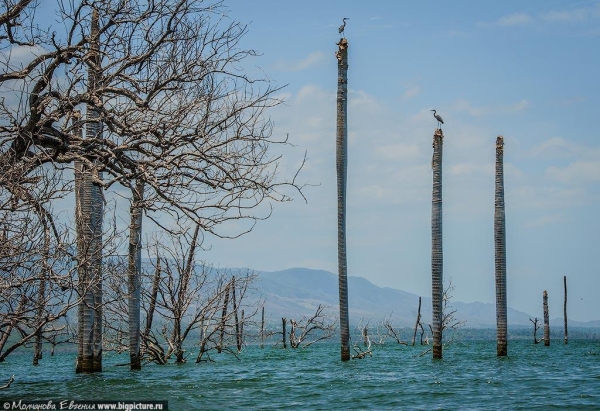
43. A local natural attraction is the unique salt lake Lago Henriquillo, located near the border with Haiti. The earthquake of 2010, which leveled Haiti to the ground, was almost not felt in the Dominican Republic, but after it, the level of Lake Henriquillo rose strongly, flooding nearby lands. Now you can swim among the flooded palm trees and mango trees, watching the local fauna.
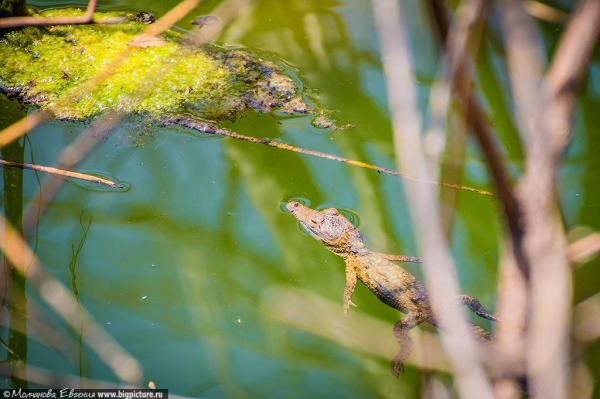
44. Lago Enriquillo is the only salt lake in the world where crocodiles are found. Their population numbers several hundred, although it is not so easy to find them among the thickets. We were lucky, an experienced guide took us to a small island on the lake where female crocodiles lay eggs, so we were lucky enough to see not only adults, but even babies.
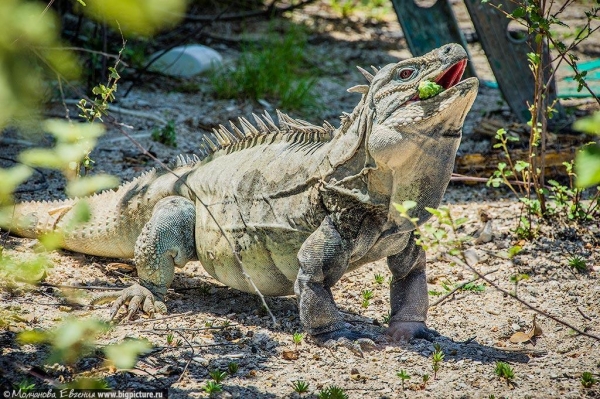
45. Another local attraction is the red—eyed iguana, which lives only on Cabritos Island (Goat Island), surrounded by the salty waters of Lake Enriquillo.
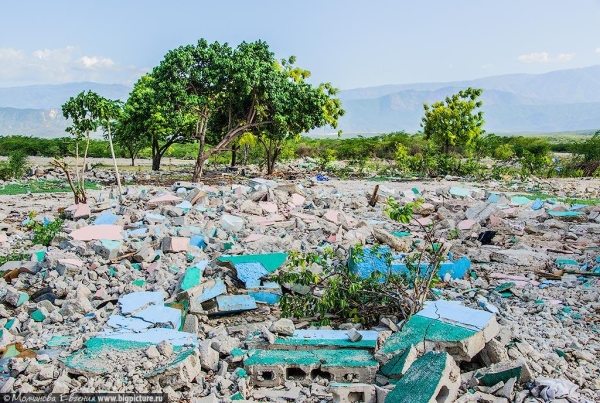
46. Due to rising groundwater levels, Lake Enriquillo has almost doubled in size, so the Government had to relocate some of the local population. This is what one of the abandoned villages looks like. It was razed to the ground, probably so that the abandoned buildings would not be occupied by illegal Haitians, of whom there are many here, because the border is very close.
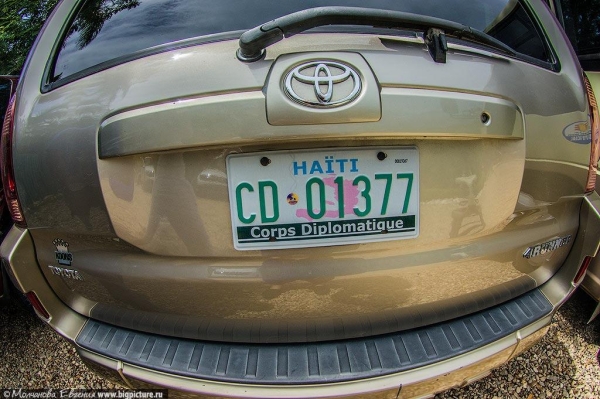
47. Neighboring Haiti is a country of incredible poverty, sky—high corruption and traditional cronyism. Despite the fact that most Haitians continue to live in the ruins left behind by the 2010 earthquake, Haitian “bigwigs” come to the prosperous Dominican Republic on vacation, staying in the best hotels.
See also — Earthquake in Haiti
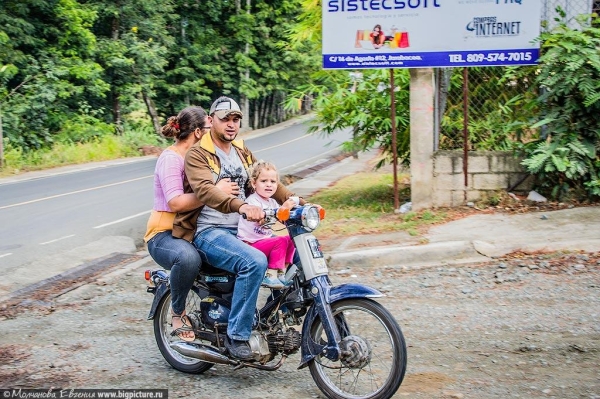
48. A motorcycle is one of the main modes of transport on the island. They move on it not only three people (including small children), but also four or six. Many people ignore helmets.
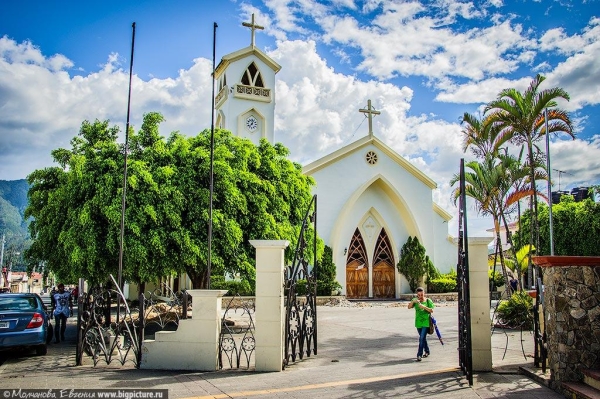
49. Do not associate the Dominican Republic with the voodoo cult. Of course, for your money, your every whim will be fulfilled here: inventive guides arrange individual meetings with exemplary Haitian voodoo shamans. But Dominicans are devout Catholics: more than 96% of the country’s population profess Catholicism.
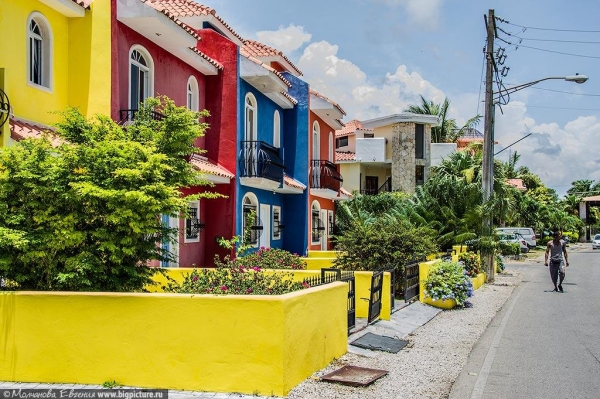
50. The Dominican Republic has its own Russian diaspora, most of which lives in the resort town of Bavaro. Some come here for a few months, someone gets a residence permit or Dominican citizenship, fortunately it is not so difficult to do this, as well as to buy real estate or arrange a business.
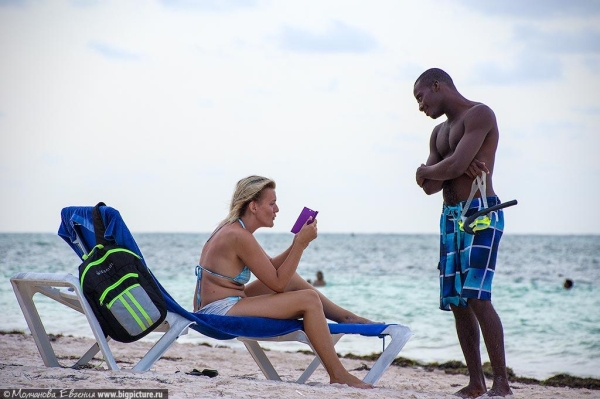
51. Like many poor countries with well—developed tourism infrastructure, the Dominican Republic is a country of sex tourism, including women’s tourism. Local young men of pleasant appearance are hunting for foreign tourists, though not so much for them as for their wallet. Such gigolos in the DR are called sledge punks. This word most likely originated from the English phrase “hanky panky”, i.e. “shura-mura”, and became popular and commonly used after the comedy Sanky-Panky was released in 2007. The film tells about a young Dominican who came to Bavaro in search of a rich “gringo” who would take him for maintenance or give him a “green card”.
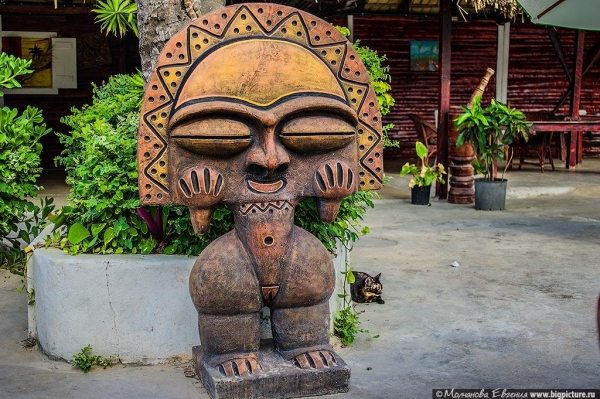
52. The Taino Indians, the same ones who lived on the island when Columbus discovered it, and who gave the island its name (Haiti in their language means “high—altitude land”), left behind a rich heritage, part of which are numerous Indian gods. In modern Dominican Republic, you can see ethnic clay figurines everywhere, like this one dedicated to the goddess of the Moon, the daughter of Dawn.
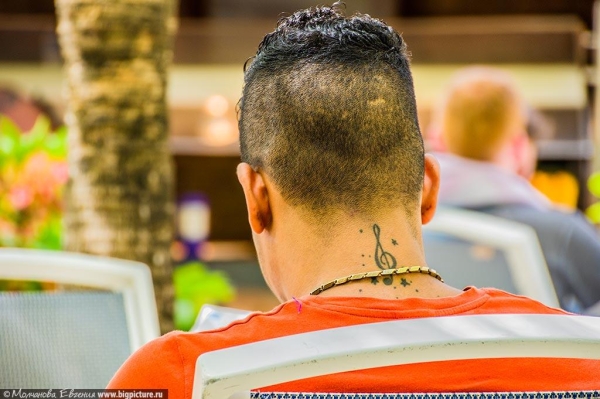
53. The Dominicans are a very musical nation. It is absolutely normal for a person to hum or dance at work here, even if it is a salesman or a bank employee. Music plays an important role in the lives of Dominicans. Something fresh and melodic has always been generated here thanks to the synthesis of different cultures and nationalities that were melting in the Dominican cauldron. Today, “El Dembow Dominicano” has appeared in the world of electronic music — a rhythmic mix dance electronica that “rocks”.
https://www.youtube.com/watch?v=OEFED3iTnK4
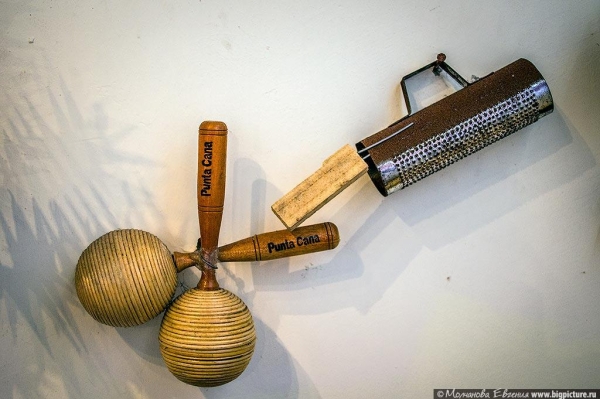
54. The Dominicans gave the world the famous “social dances” — merengue and bachata (and musical styles of the same name). Evening dancing is a favorite pastime. Merengue is performed using three instruments: tambora (a small drum), guira (a metal percussion piece in the photo) and accordion.
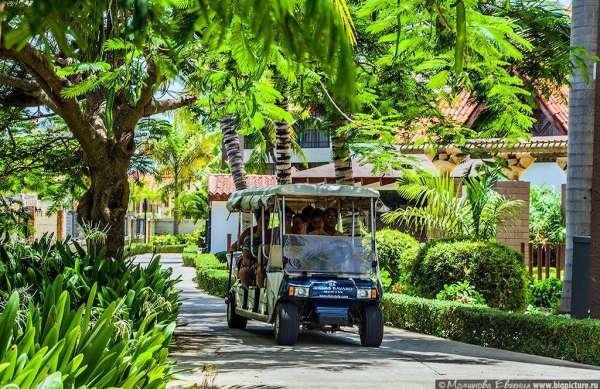
55. In many all-inclusive hotels, the territories are so extensive that their own transport runs through them, like a car, so that vacationers do not strain themselves with unnecessary pedestrian crossings.
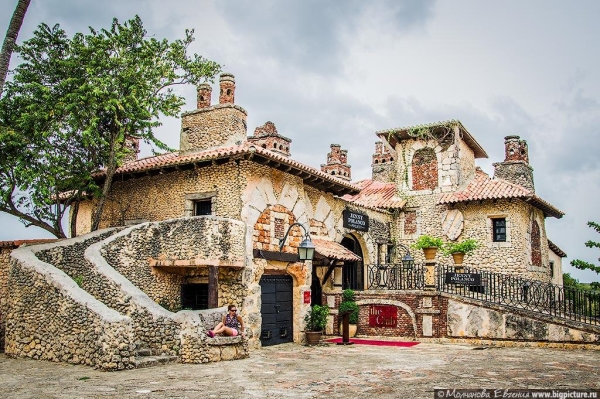
56. One of the picturesque sights of the island is Los Altos de Chavon, a stylized European medieval town of artists, which was built in the 70s as potential movie sets. Today there is a design school, galleries, museums, many shops, cafes and the like.
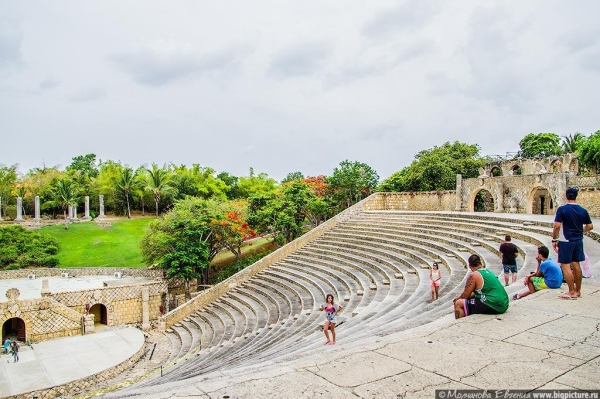
57. The Altos de Chavon village of artists has its own “Greek” amphitheater with 5,000 seats, where concerts of world-class stars are regularly held. The amphitheater was built in 1982 at the expense of Frank Sinatra.
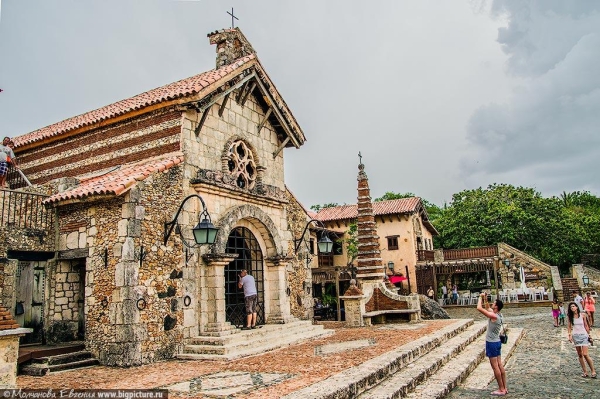
58. In 1979, St. Stanislaus Church was opened in Los Altos de Chavon, where Michael Jackson and Lisa Maria Presley were later married. And today, many weddings are held in the town of artists in particular and on the island in general — many couples from all over the world prefer to marry in the Dominican Republic.
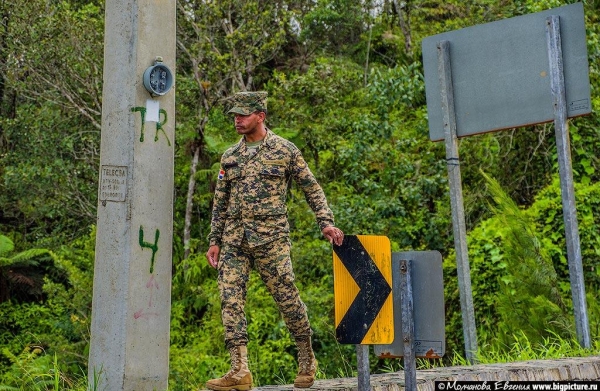
59. A lot of illegal immigrants are fleeing Haiti. The main task of the military of the Dominican Republic is to contain this frenzied pressure, and about 90% of the army is engaged in border protection. Military checkpoints are constantly found in the border areas, cars are regularly stopped for checks. Photographing military personnel and military facilities is prohibited here. Thanks to the Pentax telecaster for this shot.
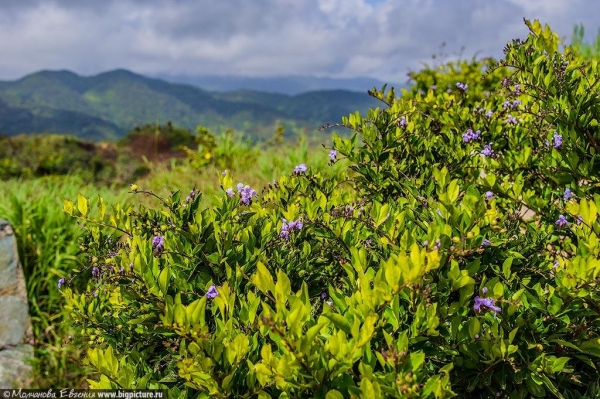
60. There are many national parks in the Dominican Republic, demonstrating the diversity of local nature: from mountains with pine forests to pristine white sandy beaches. Nature reserves are one of the ways to make money for the country, because tourists pay for entry into their territory.
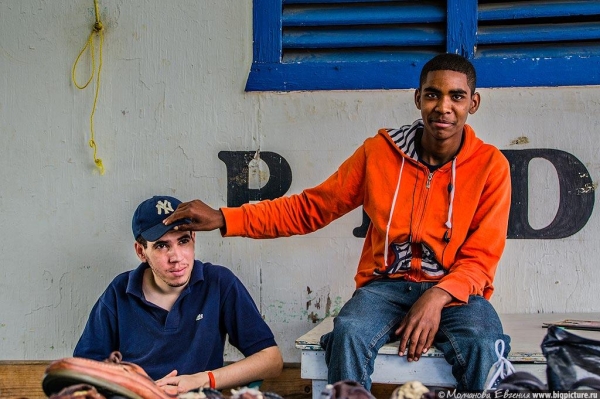
61. The inhabitants of the island are characterized by racial diversity. Most of the inhabitants of the Dominican Republic are mulattoes, whose ancestors were Native Indians, Spanish conquistadors and African slaves. In some regions, white—skinned descendants of immigrants from the Canary Islands live, in agricultural mountainous areas there are children and grandchildren of Japanese, Spaniards and Lebanese who came to raise local agriculture in the 60s.
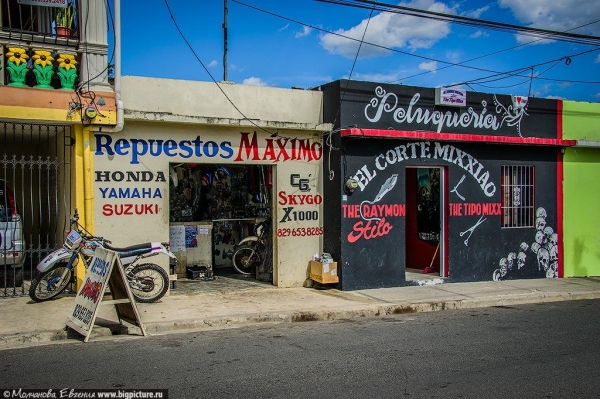
62. In addition to the business related to food and beauty, there is another type of business that will always flourish on the island — these are car repair shops.
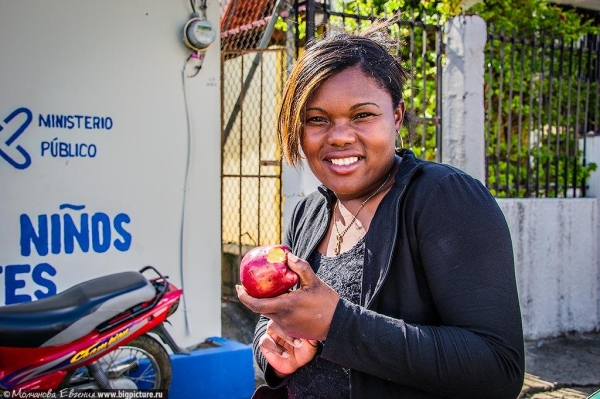
63. Dominicans are very fond of women, and as open people they readily express their feelings. It is perfectly normal to call a woman “mi vida” (my life) or “amor”, and it does not carry a greasy connotation. Dominicans are generous with compliments and will always find something pleasant to say to a girl, even if she is not the first beauty in the village. Curvy shapes and expressive buttocks are also appreciated here. And Dominicans, accustomed to male attention and constant praises, are more calm and confident than the average Slavs, and they know their worth well.
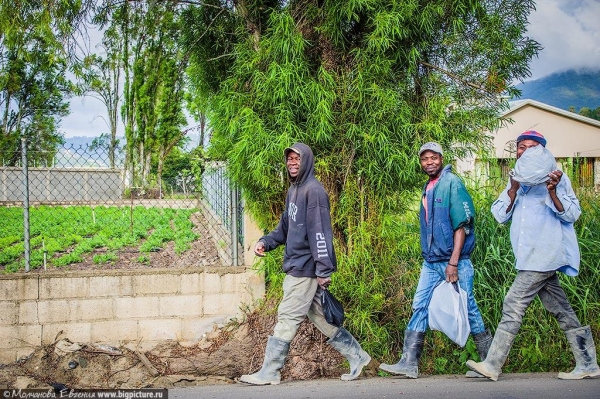
64. Numerous immigrants from Haiti work en masse in agriculture, construction sites, and trade. To escape to the Dominican Republic, which is rich compared to its Francophone neighbor, is a real happiness, because many Haitians live on the verge of starvation. Officially, about 3 million Haitians live in the Dominican Republic with its population of 9.5 million people. But it’s official, but it’s not really known how. Unlike relaxed Dominicans, Haitians are not such big fans of being photographed — many prefer to turn away from the lens or even cover their face.
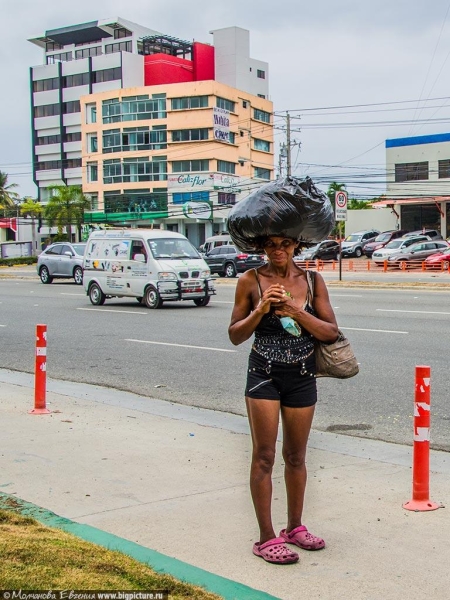
65. Haitians, unlike Dominicans, still carry bags on their heads, as is customary for African women.
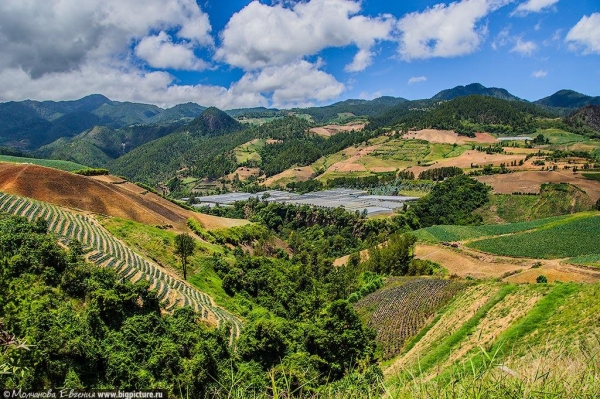
66. The Dominican Republic is not only beautiful beaches with azure waves and hot desert regions overgrown with cacti. These are also pine-covered mountains and picturesque valleys with a cool climate. The main breadbasket of the country is the Constanta Valley, located at an altitude of 1300 meters above sea level. The local lands are extremely fertile, but you can only work the mountain slopes manually — the technique will not work on such steep mountains.
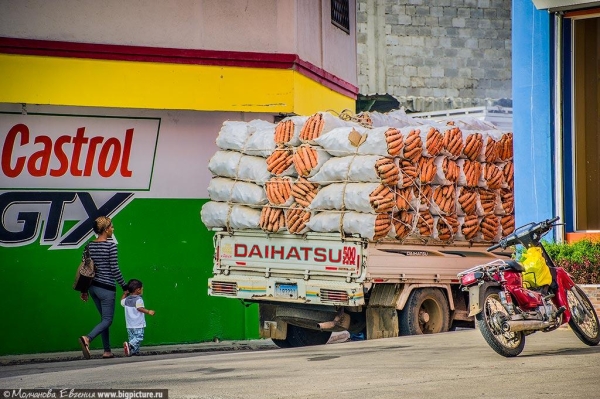
67. Local agriculture provides all the island’s needs and generates most of the exports. In the 60s, the Dominican dictator Trujilio brought specialists from Europe and Japan to raise the country’s agricultural sector. Many of them, as well as their children and grandchildren, still live on the island.
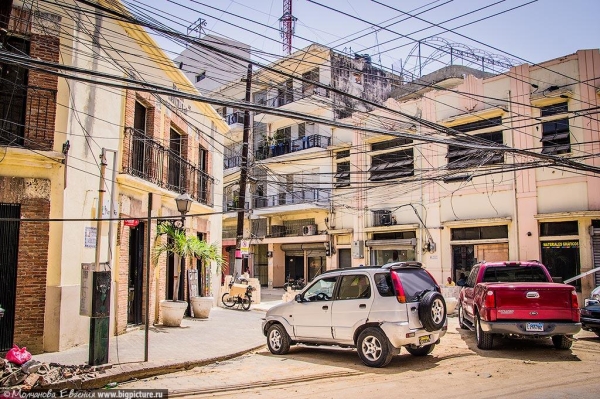
68. Chaotic intertwining of electrical wires is a common occurrence in the old town of Santo Domingo. During a trip to the country, it is necessary to take into account that the voltage in the local network is 110 volts, and the standard of sockets here is American, so it is worth taking an adapter with you.
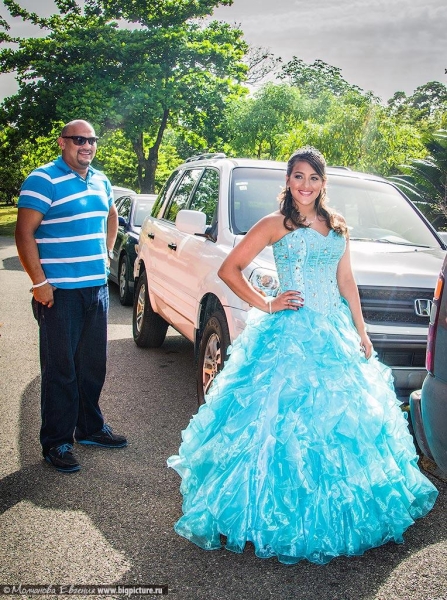
69. As in other Latin American countries, in the Dominican Republic, girls are considered to have reached adulthood at the age of 15 (most Latin Americans mature quite early). The celebration of entering adulthood is called Kinseanera and is celebrated on the 15th birthday. In the photo: a proud father and his 15-year-old daughter in the Botanical Garden of Santo Domingo.
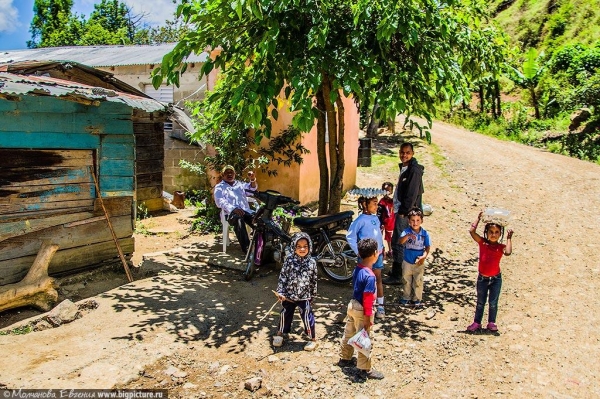
70. Poor but happy Dominicans are a very friendly people, it is not customary to avoid neighbors here. People live as one big family: usually, when they cook lunch or dinner, they treat their neighbors. Dominicans are constantly in interaction — mutually beneficial and pleasant for both sides, perhaps because they do not tend to condemn people, they are more inclined to empathy and mutual understanding.
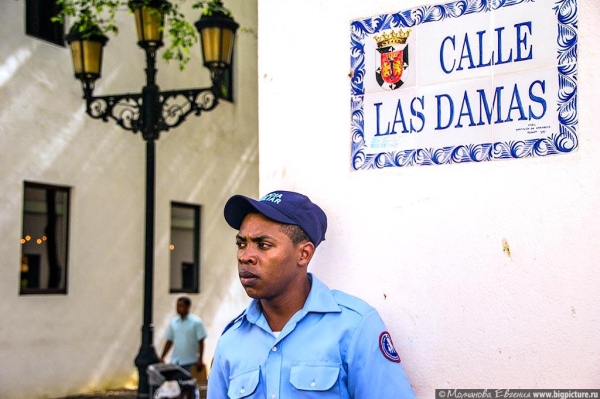
71. The Dominican capital has the first paved street in the New World: Dam Street. She appeared in 1502, after three dozen noble ladies from the entourage of Maria de Toledo, wife of Diego Columbus, came to the city. There was absolutely nowhere for the girls to walk — mud and earth everywhere, which is very harmful for crinolines, so a street was paved especially for them. In addition, Santo Domingo is home to the oldest cathedral in the New World — it was founded in 1514 by the same Diego Columbus, the son of the famous navigator.
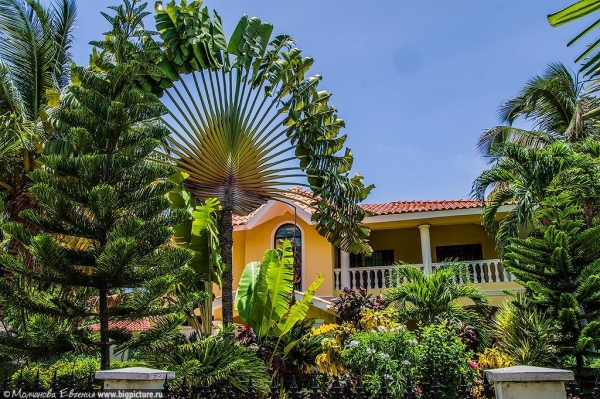
72. The Dominican Republic is a favorite vacation spot of many celebrities, including people such as Sting, Julio Iglesias, Jennifer Lopez, Vin Diesel, Donald Trump and others. Many of the stars buy their own villas on the island, but mostly in gated residences like the Casa De Campo, where it is impossible for “people from the street” to get to.
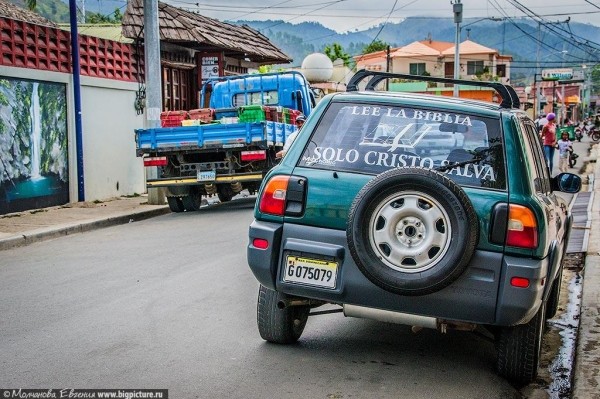
73. The Dominicans are very devout people, it is not for nothing that they are the only people in the world who have placed the Bible on the flag. Often these zealous Catholics say: “Si Dios permite” (“If God permits”), and religious stickers like this one are very popular on transport — “Lee la Biblia, solo Cristo salva” (“Read the Bible, only Jesus will save”).
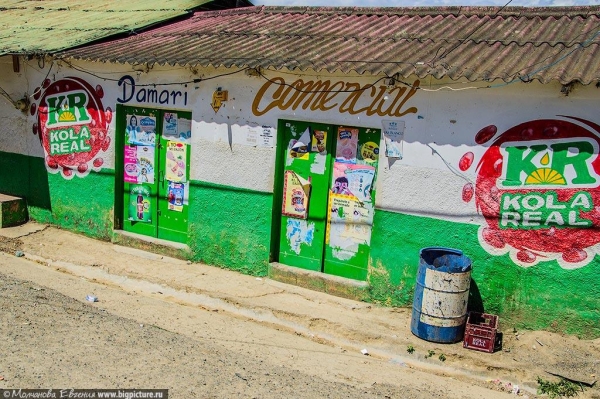
74. Advertising in the Dominican Republic is most often painted with brushes and paint. Whether it’s the undeveloped printing industry, or the power of tradition, you can find painted signs everywhere. Although we must pay tribute — all this hand-drawn advertising of single artisans is not as clumsy as, for example, in Africa. It is very funny to observe the neatly drawn logos of global companies and brand names carefully painted.
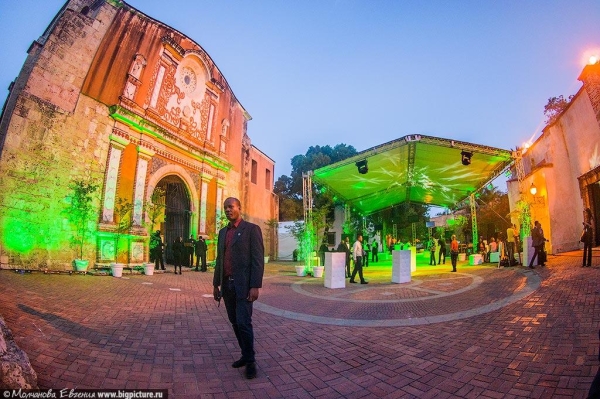
75. The Dominican Republic is a large and beautiful film set, because there are so many picturesque locations there. Many films are shot in the province of La Romana, where the artists’ town of Los Altos De Chavon was actually built as a cinema. Such famous films as “Rimbaud-2” and “Apocalypse Now” were shot on the Chavon River, and in 1974 the legendary film “Godfather — 2” was shot in the colonial city of the Dominican capital. And this is not a complete list of paintings shot on the island. You can appreciate the beauty of the Dominican locations by watching the final scene of the film “Bandits” starring Vin Diesel. By the way, he is a big fan of the Dominican Republic.
We thank representatives of the Ministry of Tourism of the Dominican Republic for organizing the trip, as well as the Ricoh Imaging company, including for the Pentax equipment provided.


 English
  Russian
  German
  Polish