Even if you use the services of air carriers very often and feel at home at airports around the world, this does not mean that you know everything about them. Each air port is like a state with its own laws and regulations, and passengers are allowed to know only a small part of them. We have collected 10 facts about the services operating at airports that are not usually advertised.
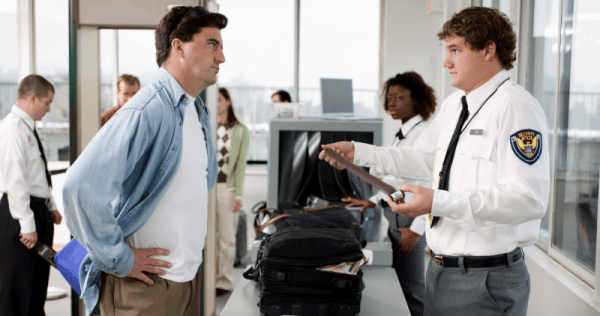
All luggage is checked by dogs
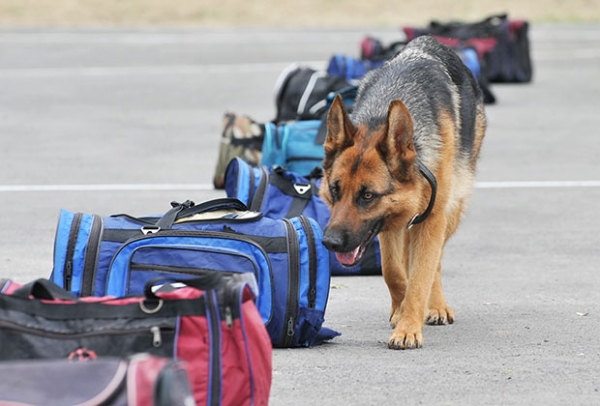
All bags, suitcases and backpacks at the airport are checked with the help of specially trained dogs. Animals are looking for explosives and drugs in things. Four-legged employees with their dog handlers walk around terminals, storage rooms and luggage compartments every day.
Special attention is paid to baggage from “difficult” flights, for example, from the Middle East and Central Asia. Dogs get tired quickly, processing a huge amount of information, so they are given a rest every 40 minutes. By the way, service dog breeds do not always work at airports, hunting and even decorative animals are often involved.
The behavior of passengers is imperceptibly analyzed
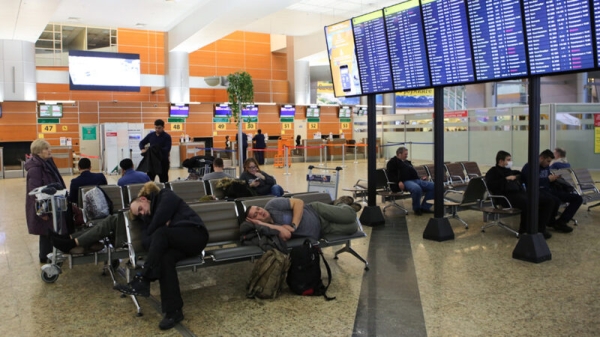
While at the airport, you are under the tacit vigilant supervision of people whose profession is called a profiler. They closely monitor passengers and analyze their behavior in order to identify those who are carrying prohibited cargo in their luggage or are simply planning evil.
The profiler should see the nervous passenger and, if possible, determine the cause of his stress. When a passenger is asked about the purpose of the visit, this is not a formality at all — during such a short conversation, a specialist can accurately identify a person who is nervous and send him to a personal conversation with security staff.
The devices can see the aggression of the passenger
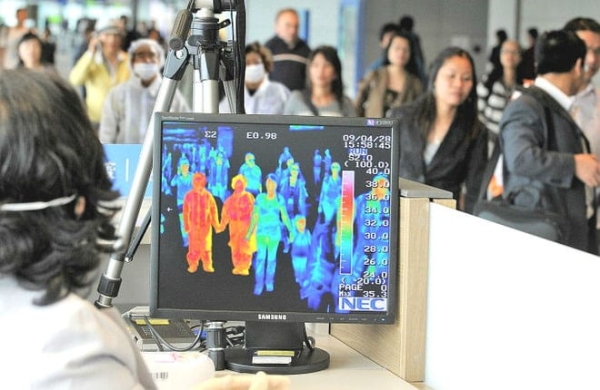
Thermal imagers record the body temperature of passengers and show those who are suspiciously “hot” on the screen. It is well known that an increase in temperature can be caused not only by illness or physical activity, but also by intense excitement. Overly nervous passengers, who were noted by the thermal imager, may be invited to a special room for personal inspection.
Airport staff can find out what you were holding in your hands
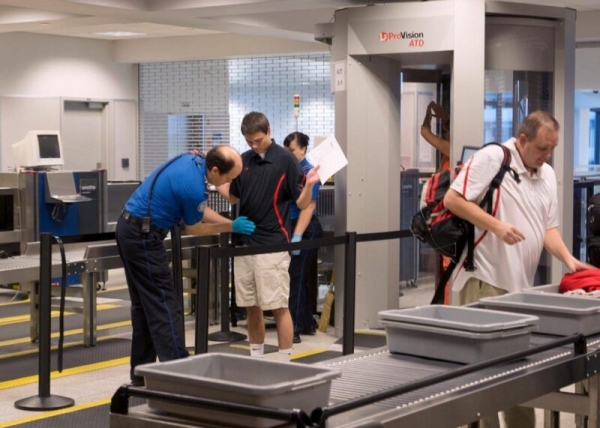
Modern technology has reached such a level that security experts can learn absolutely incredible things about you. For example, a person is asked to hold a piece of cloth in his hands, and then, by sending the material to the device, it is determined whether he has recently held narcotic substances, explosives or weapons in his hands.
Special instructions for passenger screening
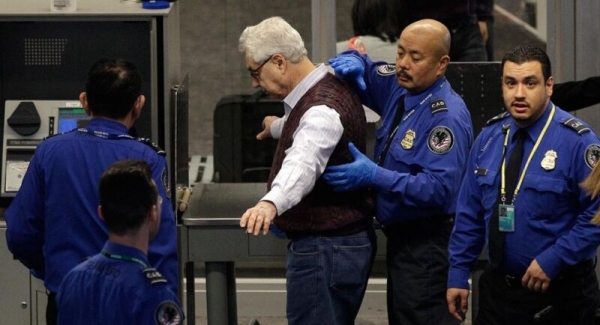
Airport security personnel have a variety of instructions, some of which are very unusual. For example, passengers with intricate hairstyles are strongly recommended to be sent for personal inspection, as they may hide prohibited items in their hair.
In addition, loose cargo trousers with numerous patch pockets, puffy skirts and long dresses can become a reason for a thorough inspection. Therefore, if you do not want to get into the zone of close attention of airport staff, dress more simply.
The scanner can show passengers without clothes
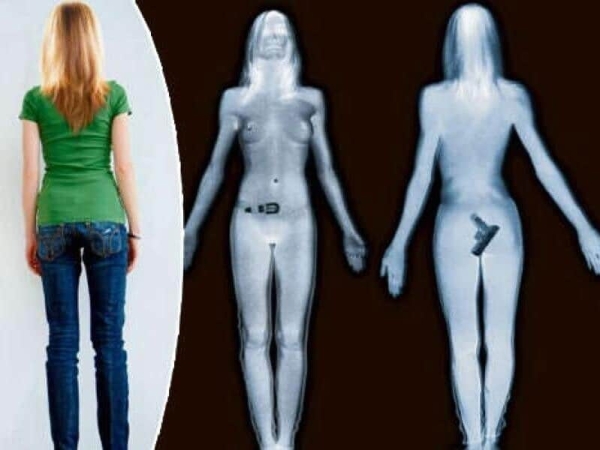
Many major airports in the world are equipped with scanners that see a person without clothes. The purpose of such an inspection is to determine whether the passenger is carrying prohibited items. Modern weapons, including firearms, are not necessarily made of metal and the detector simply may not detect it. But the scanner sees the passenger “through and through” and if he hides something on the body, then it becomes obvious.
The first scanners of this type appeared in the USA, Germany and the UK in 2009-2010 and immediately became the subject of active discussion by journalists and legal scholars. Some people considered their use unethical, but soon everyone calmed down. Most passengers don’t mind being seen without clothes for a moment, if it helps to save their lives and health.
It is not only the airport that is to blame for the loss of luggage
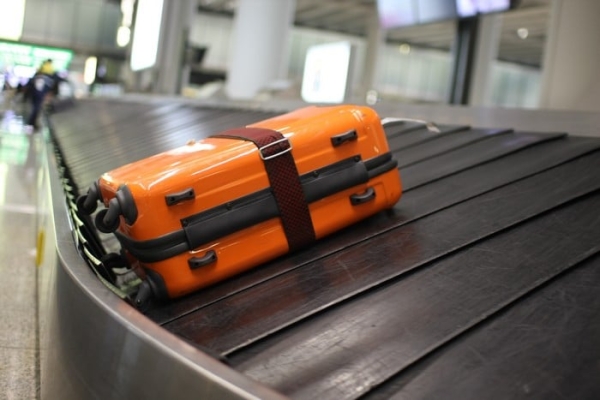
It is precisely established that in half of the cases, it is not the airport employees who are to blame for the loss of baggage during air travel, but the passengers themselves. If you are too lazy to peel off old barcode stickers from suitcases, then you are at risk. The fact is that the scanner automatically reads the code from the luggage, after which it is loaded onto a trolley for shipment.
If the device accidentally captures an old code left over from one of the previous flights, the paths of the suitcase or bag may be inscrutable. Most often, those who often fly on long—haul flights face such a nuisance – their luggage can end up anywhere in the world and never return to the owner.
Employees may not notice the absence of a visa
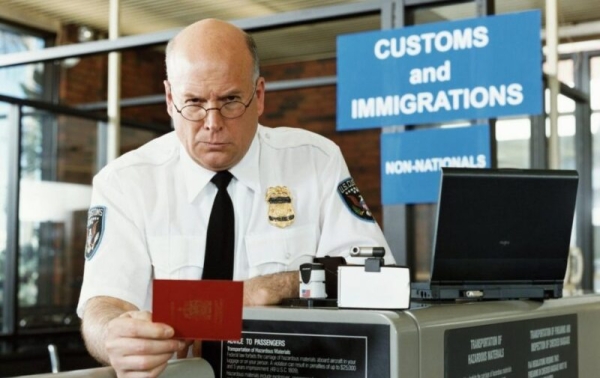
Where people work, there is always a human factor. Therefore, if a passenger does not have or has expired a visa, in rare cases they may be allowed to board the flight. When upon arrival in another country it turns out that a person does not have the right to enter the country, he is sent back at the expense of the air carrier. But the company does not remain at a loss, since the cost of the trip is calculated from the salary of an employee who made a mistake when checking documents.
The planes are under constant control
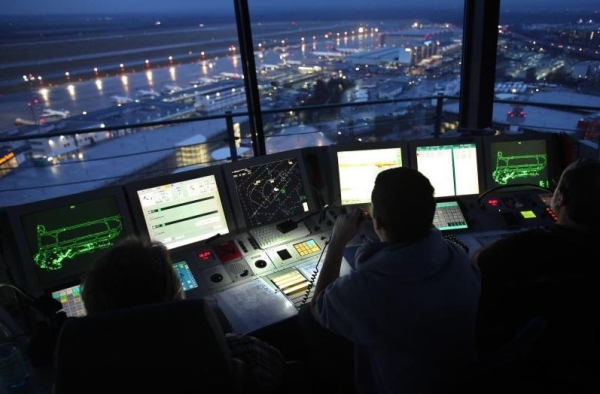
Any aircraft that is on takeoff, landing, “resting” in the parking lot or just flying up to the airport is under the close supervision of air traffic controllers. This is a very difficult and responsible job, on which not only the order in the air port depends, but also the lives of thousands of passengers. The dispatcher monitors everything that is happening on monitors, of which he may have 4-5 pieces.
Food for air passengers is prepared in advance
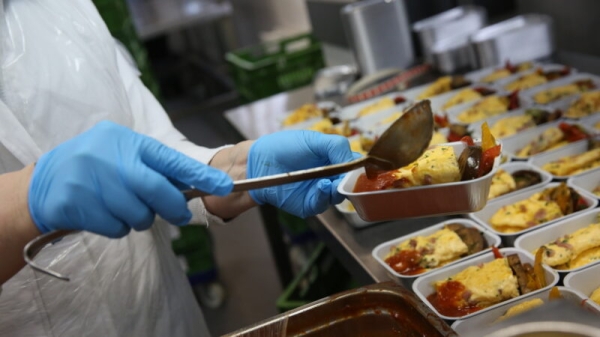
The food shop, where food is prepared for passengers and crews, is open 24 hours a day, 7 days a week. As a rule, food is prepared 6-10 hours before it is sent on board an airliner. There are no separate places for cooking VIP and economy class menus at airports around the world — all food is produced in the same kitchen by the same chefs.


 English
  Russian
  German
  Polish