How to make money out of air, water, forest or books? Some tourist sites are alive solely due to the beautiful legends and credulity of tourists. We will tell you what the guides are lying about and the guidebooks are silent about: all these attractions are at least controversial and dubious, at most fake and invented, but this does not prevent them from attracting travelers from all over the world.
The Six Homelands of Columbus
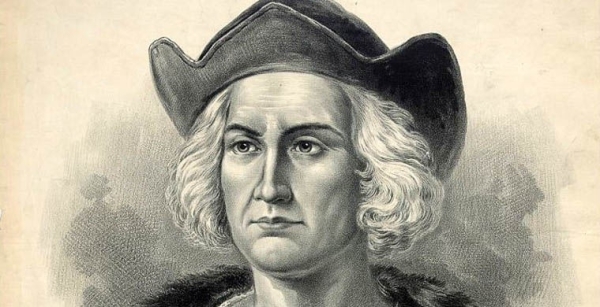
In Genoa, you will be shown the house where little Christopher Columbus lived. However, this house was built in the XVII–XVIII centuries, and Columbus was born in 1451. A little hitch? That’s half the trouble! Six cities of Spain and Italy claim to be the birthplace of the future navigator and discoverer of America at once, and there is no strong evidence that he was born in Genoa, in a house that is not even the original, but only a reconstruction.
The original building was destroyed by the French in the XVII century. You might as well visit Columbus’s house in the Spanish city of Las Palmas de Gran Canaria, where there is a museum dedicated to the famous voyages of seafarers. At least it is known that Columbus actually stayed there. However, only once, in 1492, he was forced to wait for his ship to be repaired. And the building is not original, but rebuilt in 1777. So it cannot be said about this house that its walls remember Columbus himself.
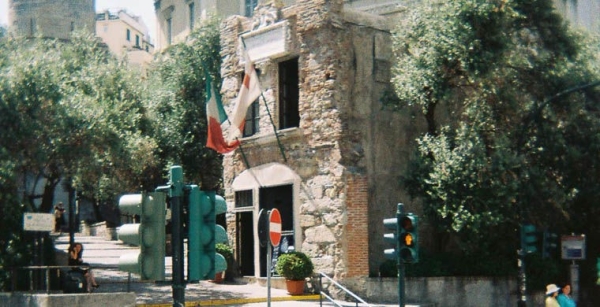
Columbus House in Genoa, Italy
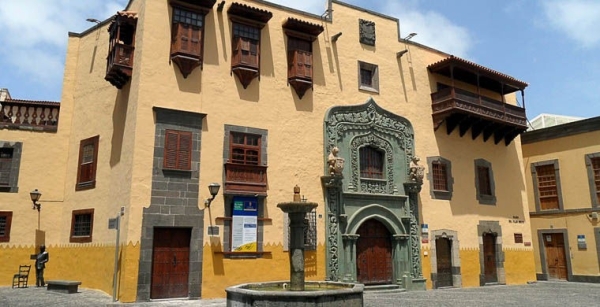
Columbus House in the Spanish city of Las Palmas de Gran Canaria
The Five Graves of Jesus Christ
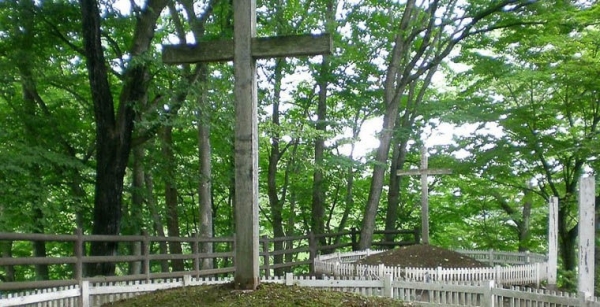
The grave of Jesus Christ in the village of Singo
There is a rather strange place in Japan for most Christians: the grave of Jesus Christ. It is located in the village of Shingo in the north of the country. There are two crosses on the grave: one symbolizes the crucified Christ, and the other — his brother Isukiri. Japanese Christians believe that Jesus did not die, his selfless brother died for him in Jerusalem, and the Son of God himself spent his early years not far from Tokyo, then traveled to the Middle East, where the events described in the Bible took place. After his brother’s crucifixion, he returned to He traveled to Japan through Siberia and Alaska and quietly lived to the age of 106 in the village of Shingo.
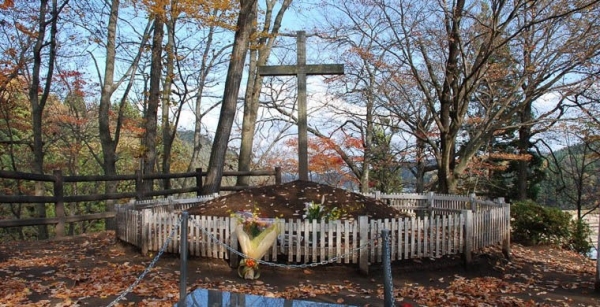
There are at least four more graves of Christ in the world: three in Jerusalem and one in the Indian state of Kashmir.
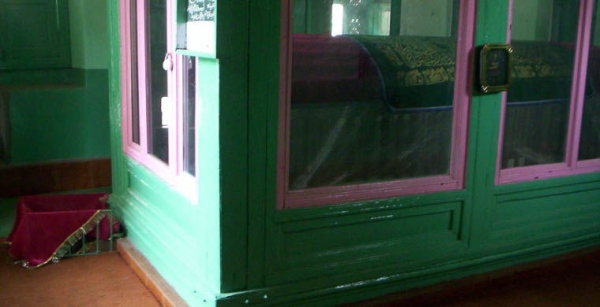
View of the sarcophagus inside the Tomb of Jesus, Srinagar, Kashmir
The new model of the XX century: Stonehenge
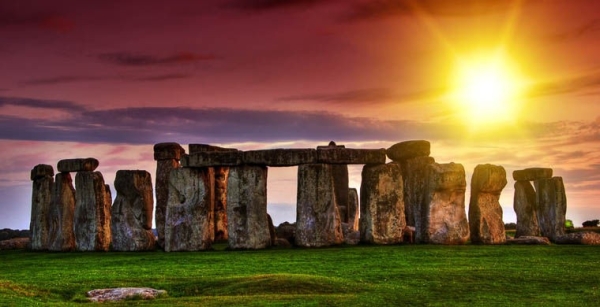
Guides and guides present the British Stonehenge as an ancient stone structure, one of the most famous and mysterious archaeological sites on the planet.
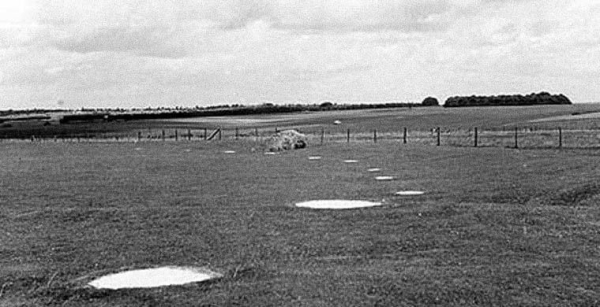
Scientists regularly publish research on how and why ancient people built these giant boulders in a circle.
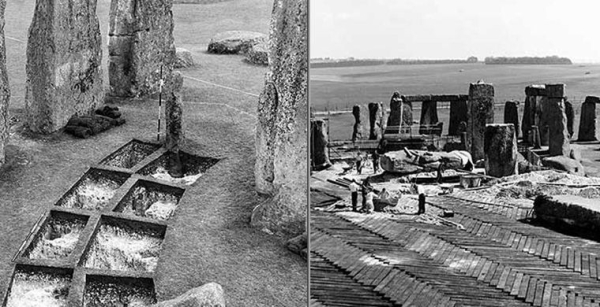
Various versions were put forward: Stonehenge was declared either a druid sanctuary, an astronomical calendar, a cemetery, or a center for spiritual practices and healing. However, no guidebook publishes photographs of the large-scale reconstruction of the monument, which was carried out in the XX century.
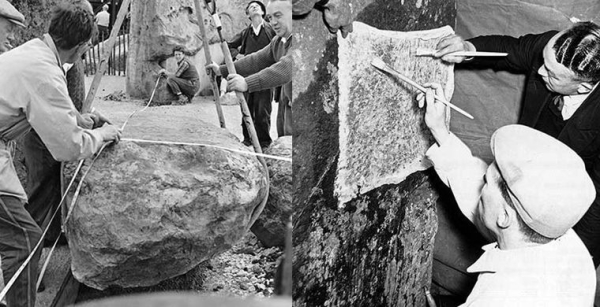
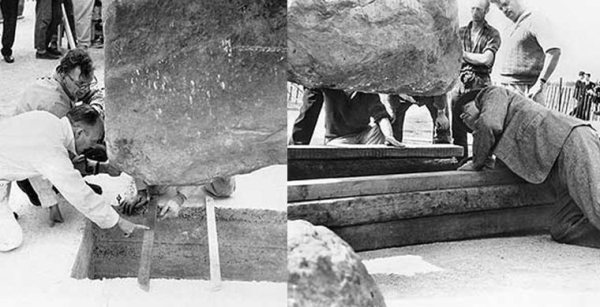
These images, recently leaked online and caused a stir, prove that Stonehenge is no longer the same as it was in ancient times.
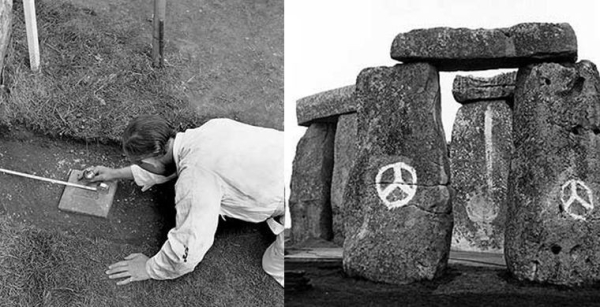
In 1958, it was dismantled almost to the ground and rebuilt using modern technology and concrete. At the same time, attempts at restructuring have been made before — since 1901.
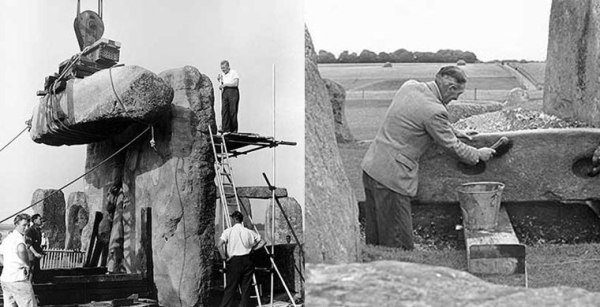
Archaeologists lifted and arranged the fallen stones in their own way, so that the modern Stonehenge can be considered a druidic building with a big stretch.
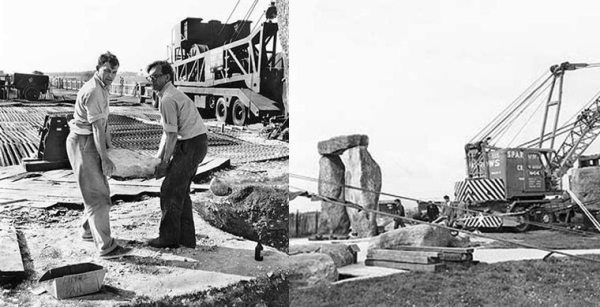
To date, it is a well-executed reconstruction and a popular tourist attraction.
The two poles of cold
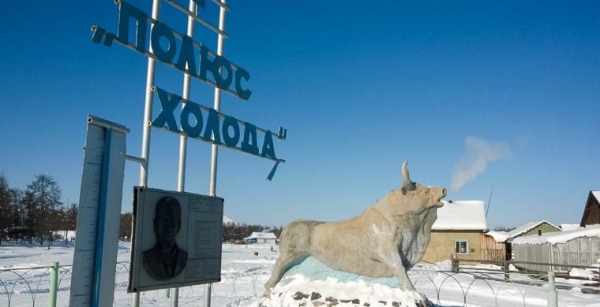
The Yakut village of Oymyakon positions itself as a pole of cold — the coldest place on Earth. This attracts numerous lovers of exotic and extreme sports to the remote northern settlement.
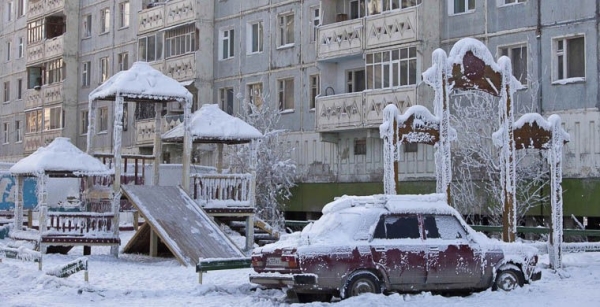
Yakut village of Oymyakon
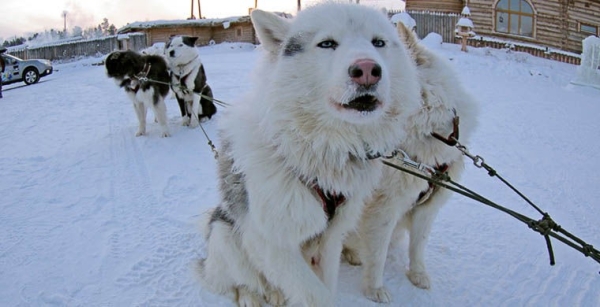
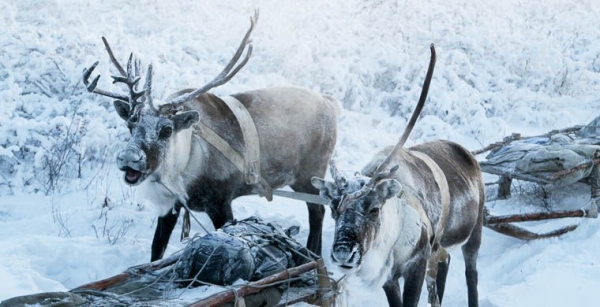
Yakut travel agencies successfully sell travel packages called “Expedition to the pole of cold”. Oymyakon residents are engaged in the tourist business, they introduce visitors to everyday life, rituals, nature of the North, hold thematic events: the festival “Oymyakon — the pole of cold” and the Yakut Ysyakh holiday.
However, in fact, the title of the pole of cold is still a matter of dispute between Oymyakon and Verkhoyansk. And to be more precise, the record temperature in Verkhoyansk was 0.1 °C lower than that of its competitor, amounting to -67.8 °C in 1885.
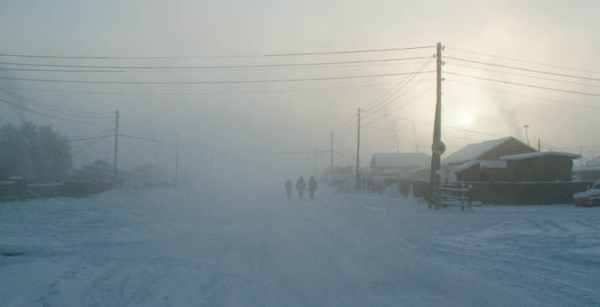
Verkhoyansk
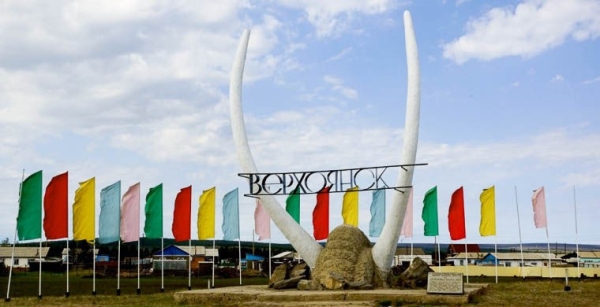
The Verkhoyansk Museum of Local Lore is officially called the Ulus Museum “Pole of Cold”. At the same time, the memorial sign “Pole of Cold” is installed in Verkhoyansk, and in Oymyakone.
Loch Ness: Money out of thin air
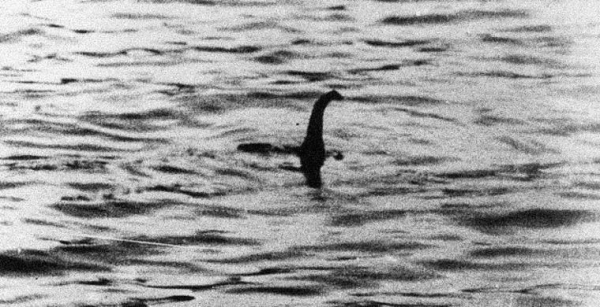
Could the Scottish Loch Ness have counted on worldwide fame if there had not been a legend about a mysterious monster? Tourists from all over the world go in search of him with and without a guide.
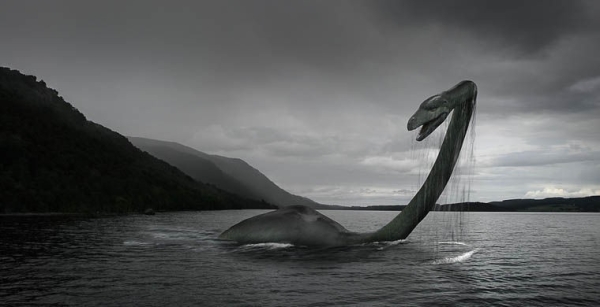
An entire industry has developed under the brand of the non-existent monster, with hotels, restaurants, boats and travel agencies named after him.
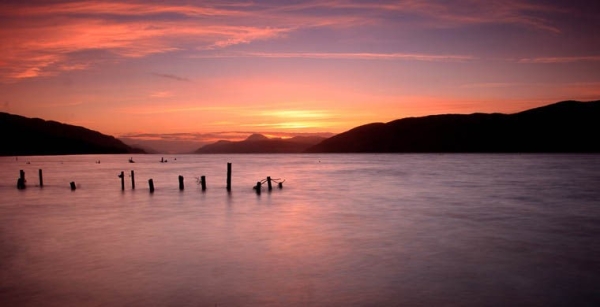
And how many souvenirs are sold thanks to the mythical Nessie — there are no numbers!
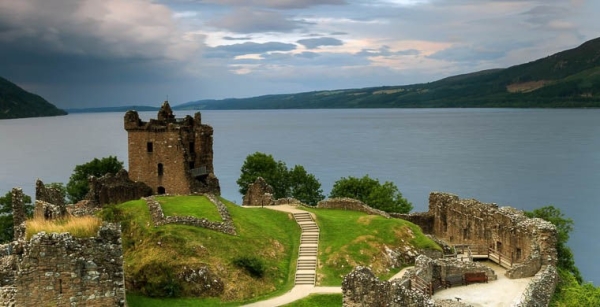
However, tourists who come to Loch Ness often feel deceived and disappointed, as they expect something fabulous and extraordinary, but in fact they see the most ordinary lake, a rather boring area and no signs of a monster’s life.
The City of Romeo and Juliet
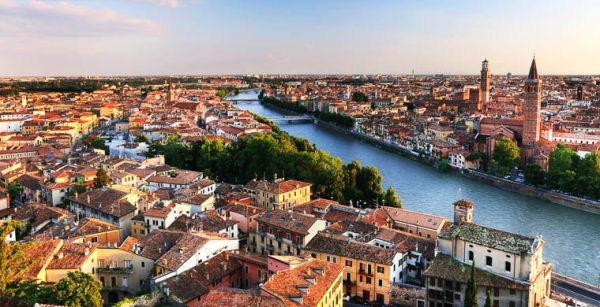
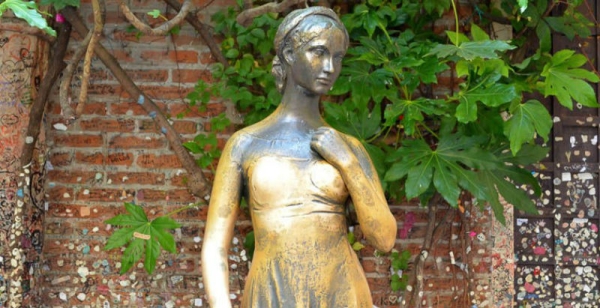
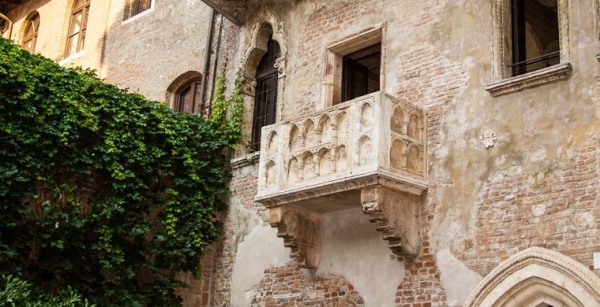
Did William Shakespeare know when he wrote Romeo and Juliet that he thereby ensured the future glory and comfortable life of the city of Verona in northeastern Italy? Millions of tourists enjoy visiting Romeo’s house and Juliet’s house, where they are shown the “same” balcony on which the key love scene of the play took place.
A mandatory item of the program is also a visit to the tomb of Juliet — the flow of pilgrims has not dried up for several centuries.
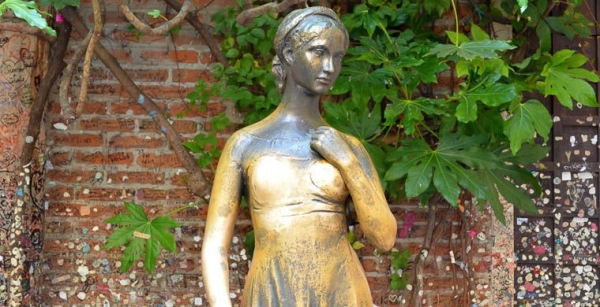
“The transition from Juliet’s house to Juliet’s grave is as natural for a visitor as for poor Juliet herself…” he described his “tour” in Verona by Charles Dickens in “Sketches of Italy” in 1846. — Accompanied by a guide, I went to the old, old garden… here they showed me something like a small vat or tub for water, and a quick-eyed woman, wiping her wet hands on her headscarf, said: “La tomba di Giulietta la sfortunata” (“Tomb of the unfortunate Juliet”). Ready to believe in this with all my soul, I could, with all my good will, only believe that the quick-eyed woman believed it; so I gave her credit for this and, moreover, paid her in hard cash.”
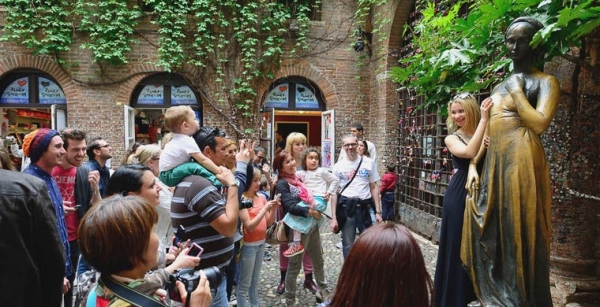
Almost the same thing happens nowadays, and rarely does anyone remember that in fact Romeo and Juliet never existed in Verona.


 English
  Russian
  German
  Polish