It’s no secret that many of us like to walk around cemeteries. Here you can find both history and beautiful architecture, and all this in the open air. And when several bygone generations of families appear before your eyes, you involuntarily think about the eternal, no matter how grandiloquent it may sound. Bigpiccia is no exception: Pere Lachaise in Paris, Recoleta in Buenos Aires, Necropolis in St. Petersburg, Jewish Cemetery in Prague and many small necropolises in different towns of Europe. On our last trip to Italy, we managed to walk around the monumental Certosa cemetery in Bologna.
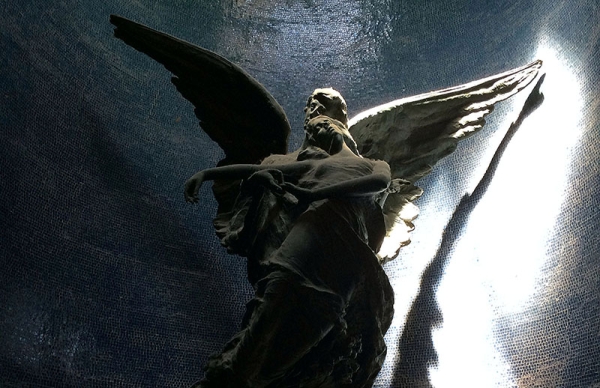
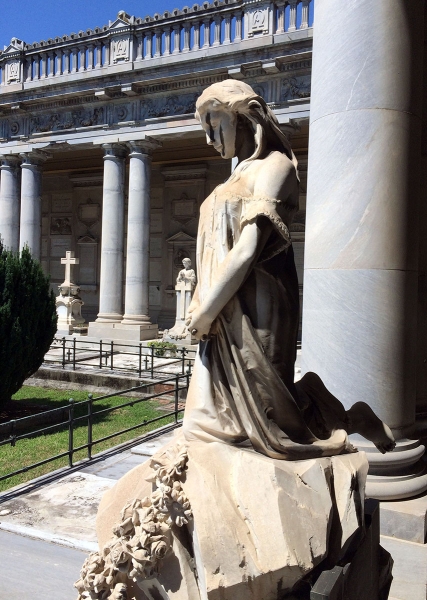
The Certosa cemetery was once a Carthusian monastery, founded in 1334 and closed in 1797 by order of Napoleon Bonaparte. In 1801, the former monastery was converted into the city’s monumental cemetery. The passion of the Bolognese nobility and officials for the creation of family crypts turned the cemetery into an outdoor museum. Certosa di Bologna is included by the Council of Europe as part of the main route to places of European cultural heritage.
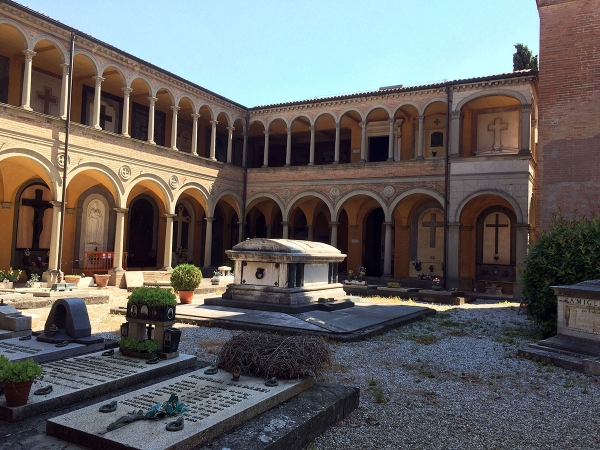
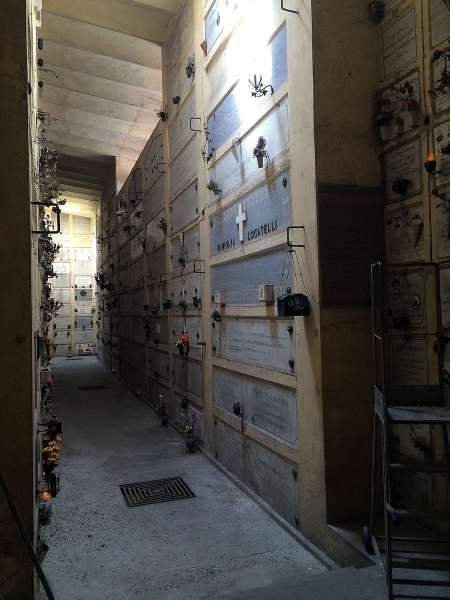
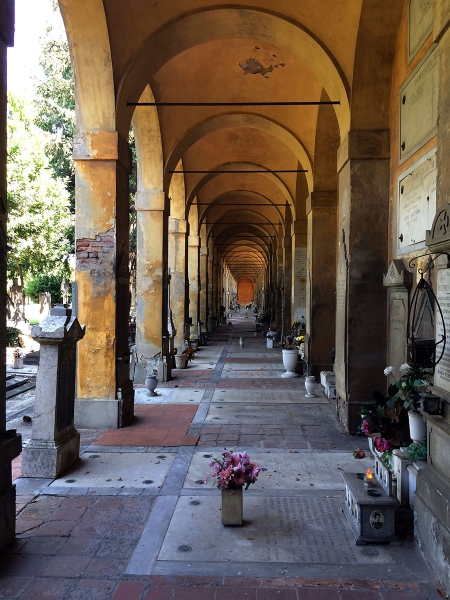
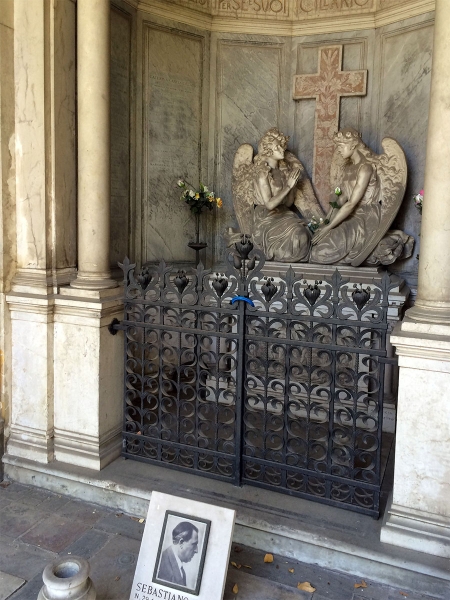
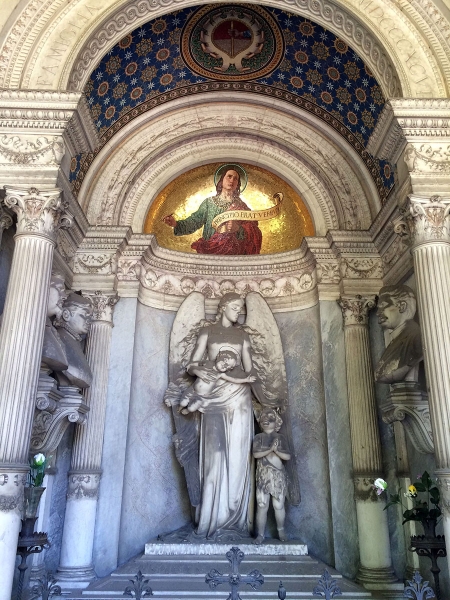
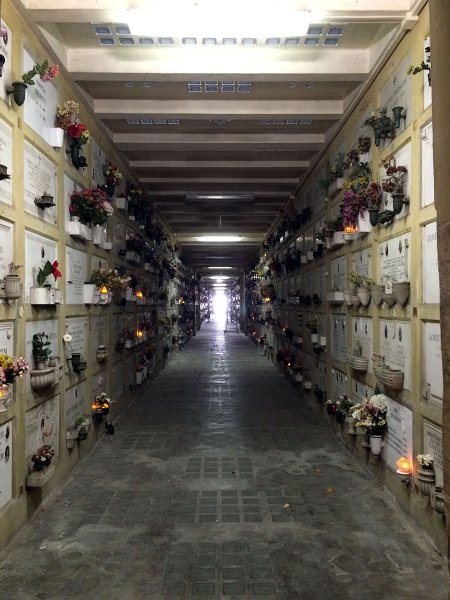
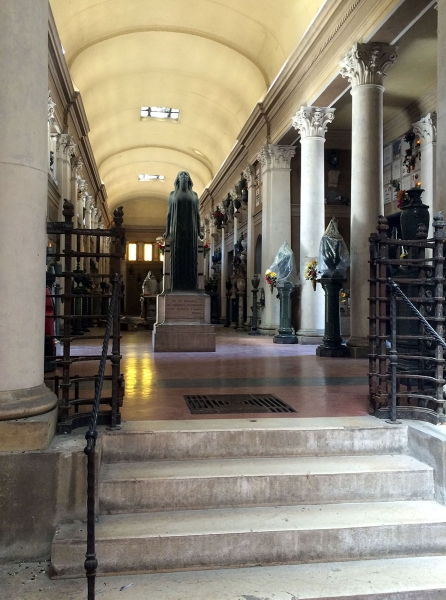
Bologna is considered a city of galleries and arcades — and the Certosa cemetery consists of rows of galleries containing crypts and columbariums.
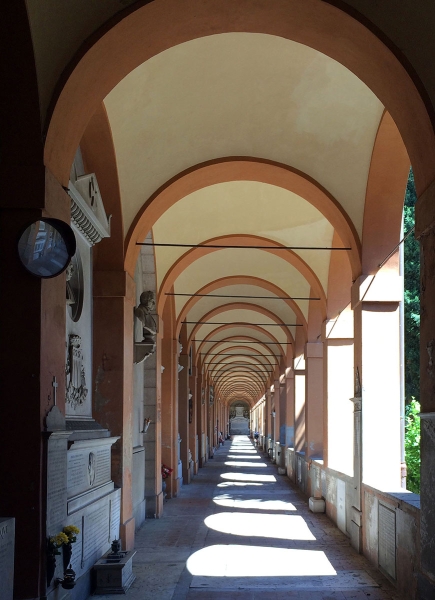
It is better not to make my mistakes and not to go without a diagram, because endless galleries with transitions into one another create the feeling that you will never get out of here, and the absence of people around brings a not very pleasant feeling of anxiety.
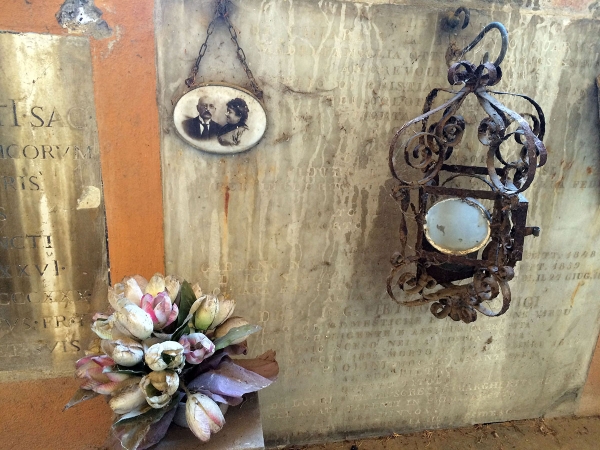
Although the Internet provides information that tourist tours are conducted around the Chertosa cemetery, I did not meet a single person, except for the staff at the entrance.
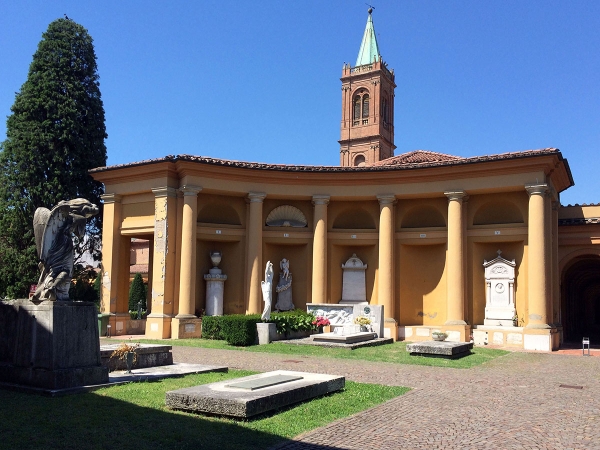
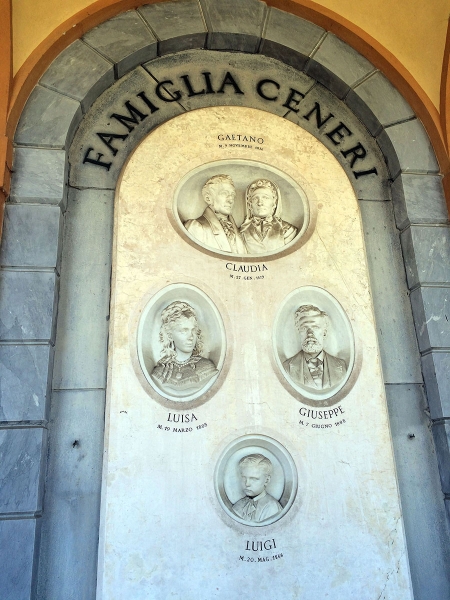
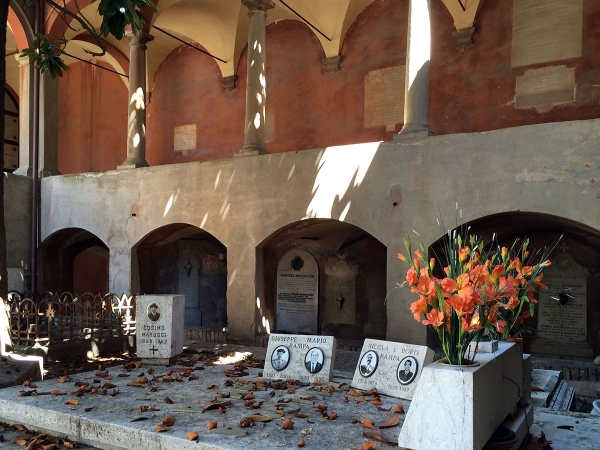
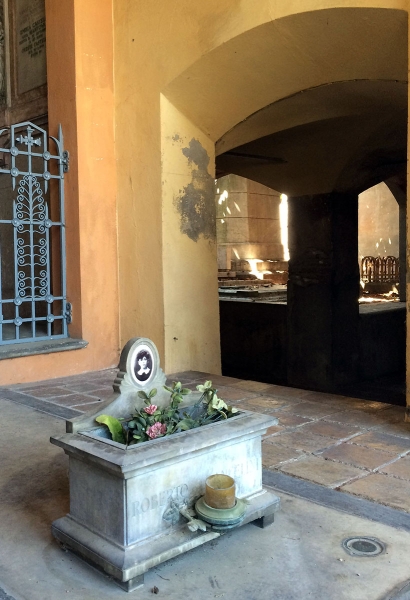
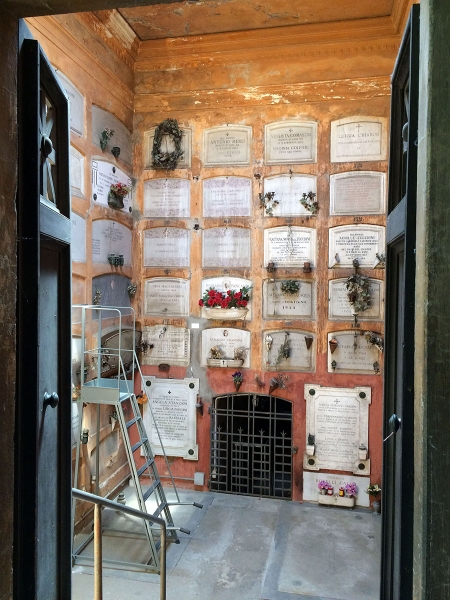
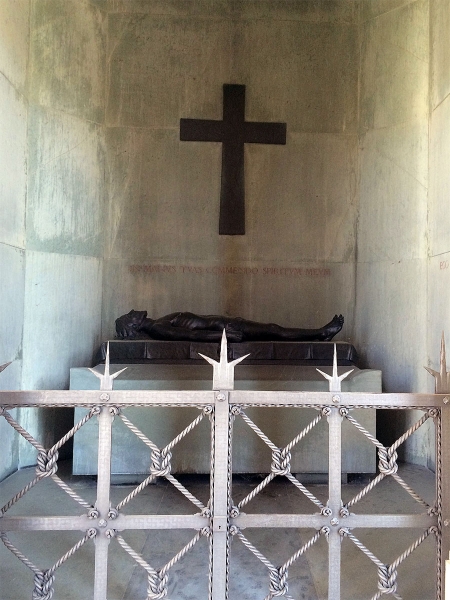
In such rooms there is another level below, a staircase leads there, and the light turns on automatically, triggered by the sound of footsteps.
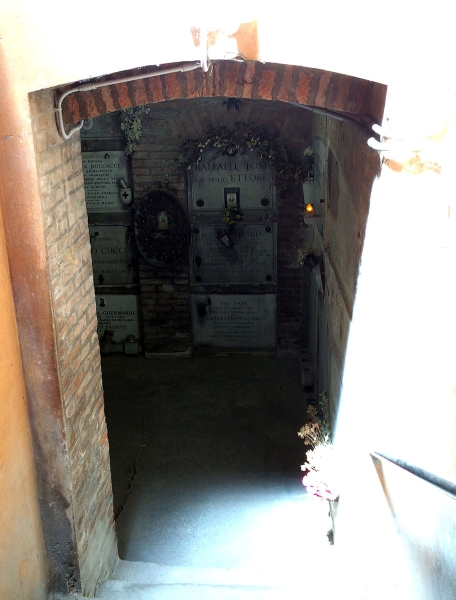
And now imagine: no one is around, and suddenly the light turns on in the crypt! Scared? I’m very 🙂
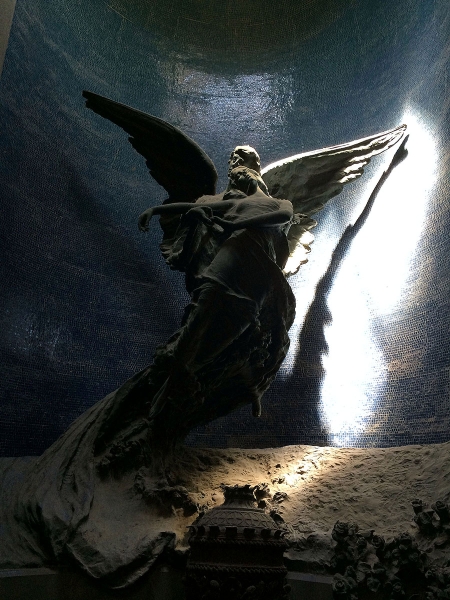
Prime Minister Marco Minghetti, artists Giorgio Morandi and Bruno Saetti, Nobel laureate in literature Giosue Carducci, writer and playwright Riccardo Baccelli, opera singer Farinelli, composer Ottorino Respighi and singer Lucho Dalla are buried here.
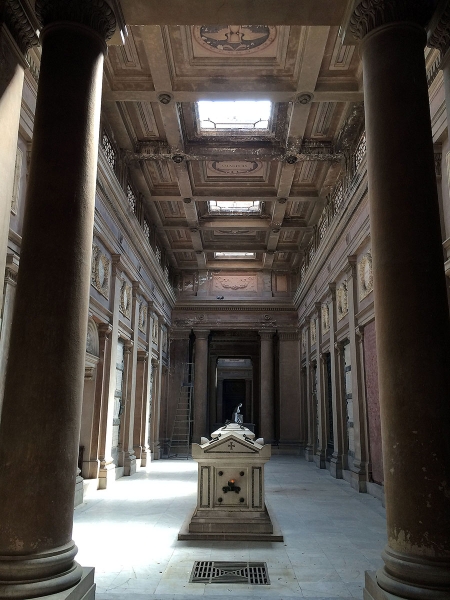
In the past, the Certosa di Bologna cemetery was part of the stages of the Grand Tour, a long journey across continental Europe for wealthy young European aristocrats. He was visited by Byron, Dickens and Stendhal, and many writers talked about him in their novels.
At the end of the 19th century, during the work on increasing the burial area, an Etruscan necropolis with 420 graves was accidentally found. The objects found during the excavations make up the exposition of the City Archaeological Museum.
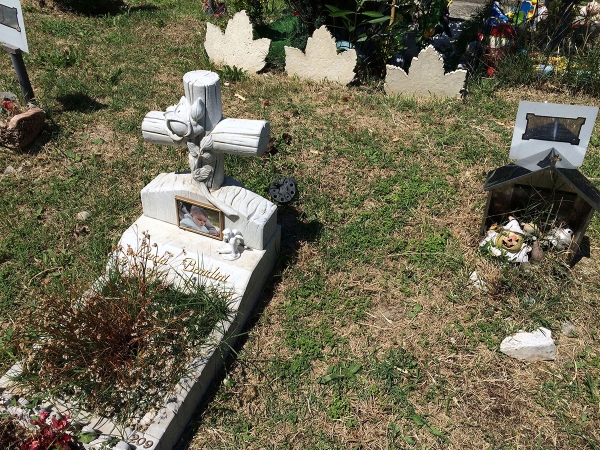
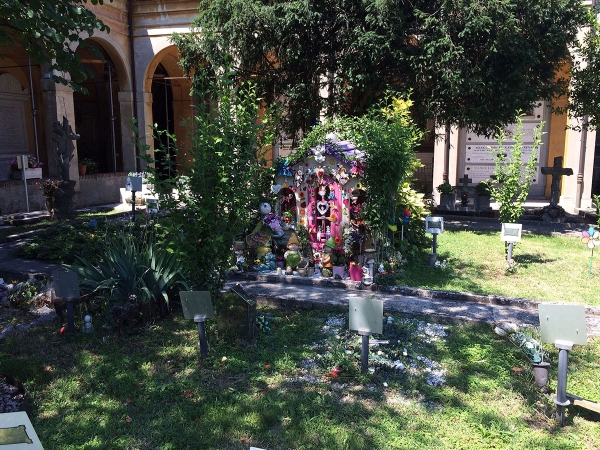
As in all European cemeteries, there is a children’s cemetery here.
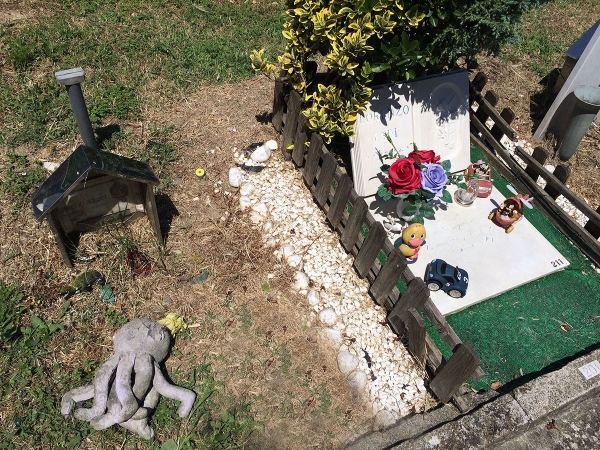
It’s very hard to be here. And if you know its location in advance, it is better to avoid this area.
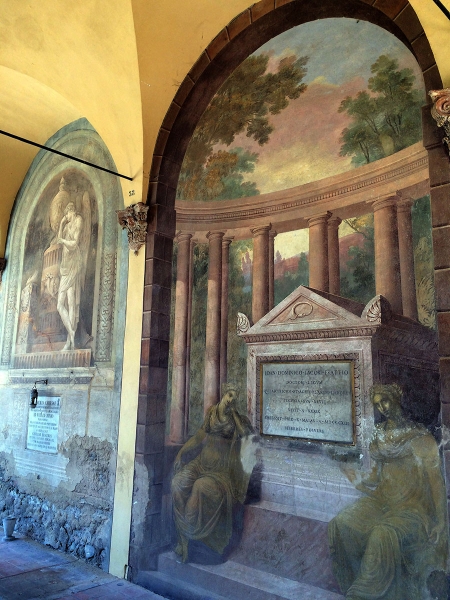
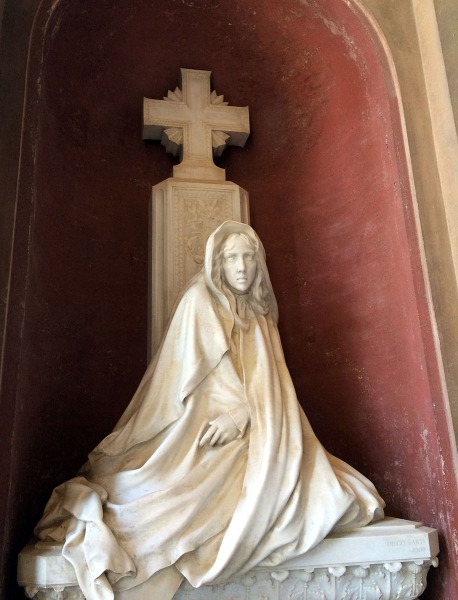
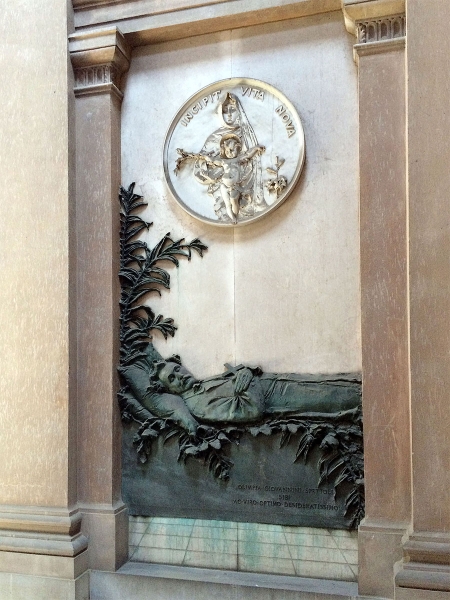
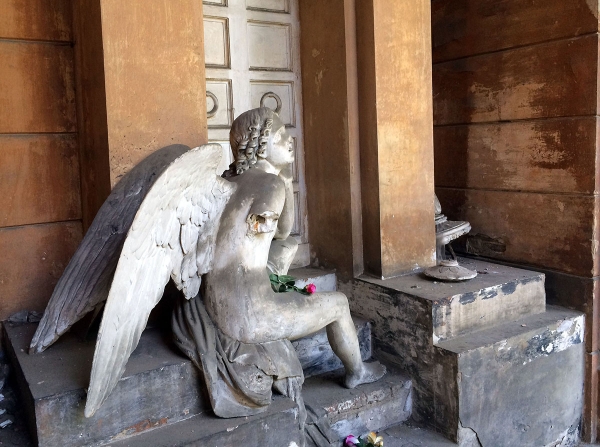
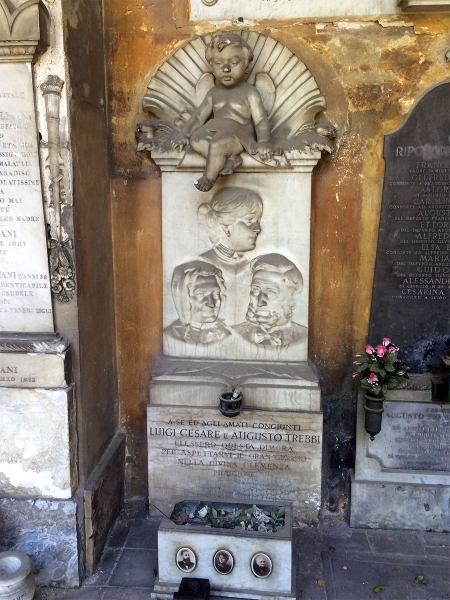
In addition to the neoclassical monuments on the graves dating back to the period of realism (1870s), the cemetery’s attractions are also unique frescoes and paintings.
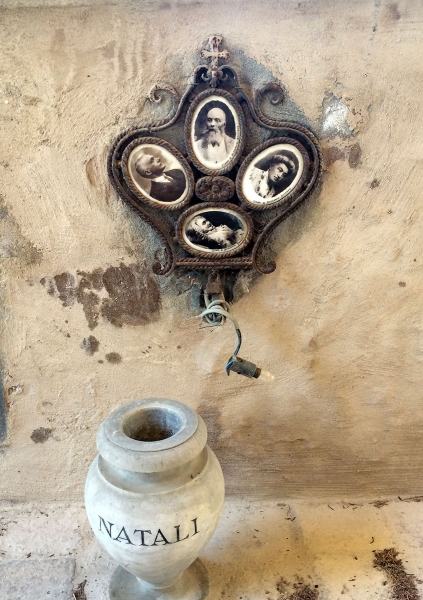
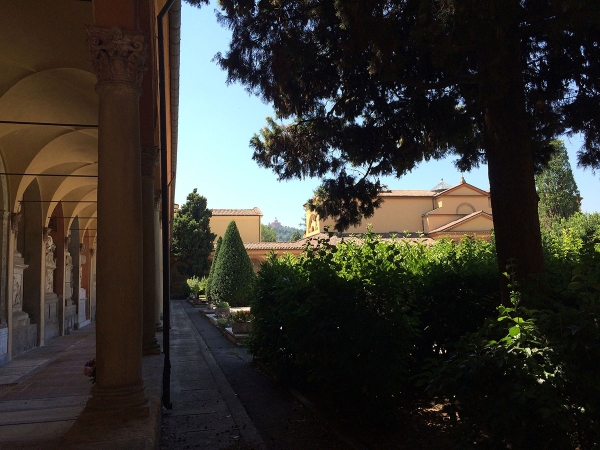
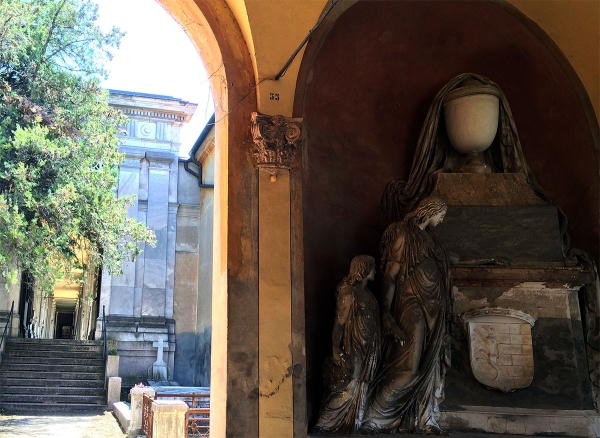
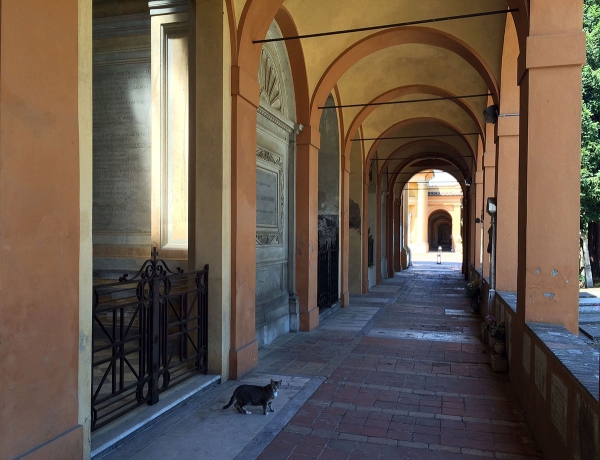
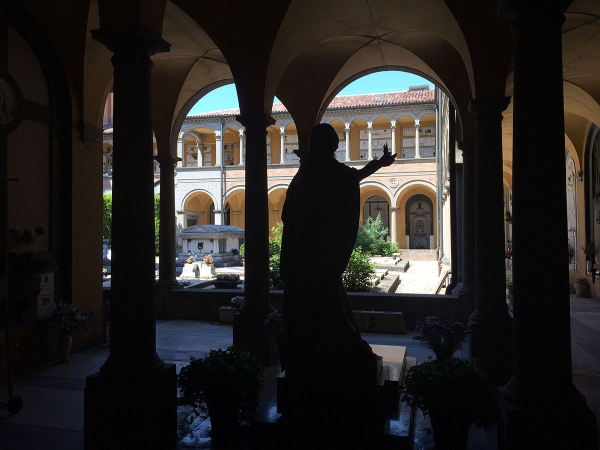
Being one of the most picturesque places in the city, the Certosa Cemetery turns into a stage for concerts, exhibitions and night tours for three months, where you can discover the art and history of Bologna. (The schedule can be found here.)


 English
  Russian
  German
  Polish