Japan is a mysterious country of Sakura, timeless traditions and a futuristic innovative approach. However, how much truth is in these ideas, and how many myths and misconceptions? In this article, we will analyze the most common myths about Japan.
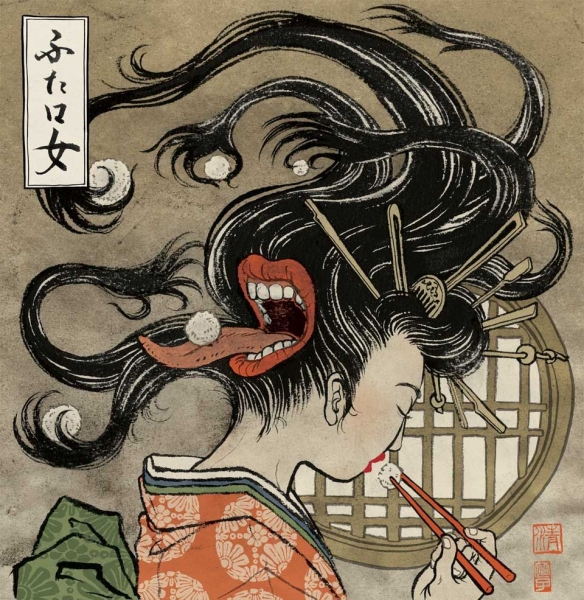
Japanese children are allowed absolutely everything, up to 5 years old they are like kings

Indeed, in Japan there is a concept of “Kodomo no hi”, or “baby’s day”, but this does not mean absolute freedom for kids. The myth that children under the age of 5 are like kings is exaggerated. Little Japanese are brought up in strictness and respect for elders, and even at a young age they are taught discipline and responsibility.
In Japan, they banned the use of microwave ovens because they cause cancer
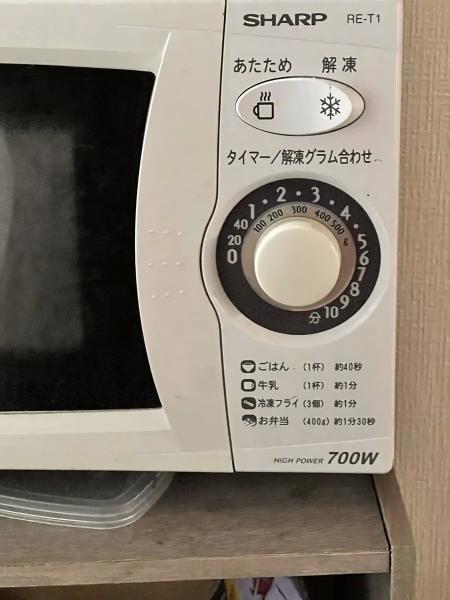
In fact, microwaves are not banned in Japan. This is a common myth. Many homes and shops have a microwave, and the Japanese use them all the time. And research by the World Health Organization confirms that the use of microwaves is not associated with an increased risk of cancer.
There are no homeless people in Japan
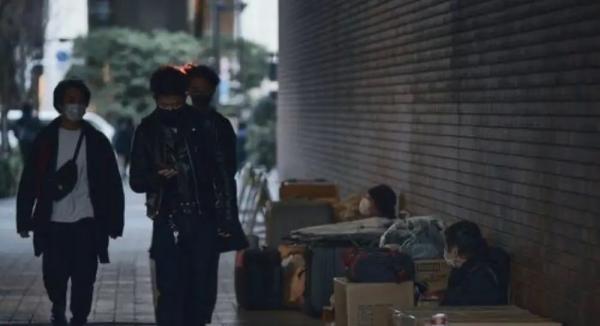
Despite its smaller scale compared to other countries, Japan still has a homelessness problem. According to statistics for 2021, almost all 4,555 homeless people in Japan are single elderly people over the age of 60 (72% of homeless people in Japan Tokyo is over 60 years old). Japanese homeless people rarely ask others for money, more often they have a job.
Japanese women are submissive

This myth arose due to a misunderstanding of the traditions and culture of Japan. Yes, Japanese women build their relationships with others on the basis of politeness and respect, but this does not mean submission. They actively participate in public life, many achieve success in their careers, science and art. And the subculture of Japanese sukeban girls will blow your brain.
The Japanese can’t drink milk because everyone is lactose intolerant

In fact, although the Japanese cannot digest lactose more often than Europeans, this does not mean that all Japanese cannot drink milk. Lactose intolerance is more common in Chinese and Southeast Asians. In Japan, even in kindergartens and elementary schools, children are given milk.
The Japanese eat fish every day

Although fish is indeed an important part of Japanese cuisine, the claim that all Japanese eat it every day is a myth. Culinary preferences vary significantly across the country. Moreover, rice, vegetables and meat also occupy a significant part of the Japanese diet.
In terms of technology, Japan is ahead of the whole planet

It is not true. In many areas, for example, in the use of cryptocurrencies or the development of 5G, other countries are on an equal footing or even surpass Japan. Sometimes Japanese stores don’t even accept a card, but only cash. And the local police still use floppy disks.
Slurping when you eat is the best compliment to a cook
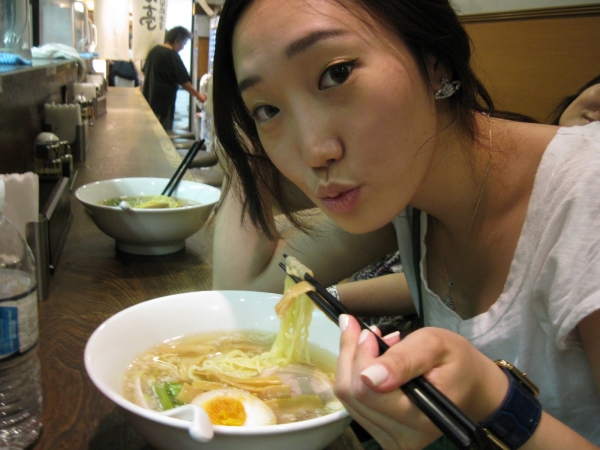
This myth is partly based on a real fact. Slurping is really normal when eating noodles in Japan. It is believed that the taste of buckwheat noodles is revealed only if it is noisily sucked into itself, so the noodles in Japan really eats loudly. But this rule of etiquette does not apply to all types of food. In other cases, slurping can be considered disrespectful.
Only a woman can be a geisha
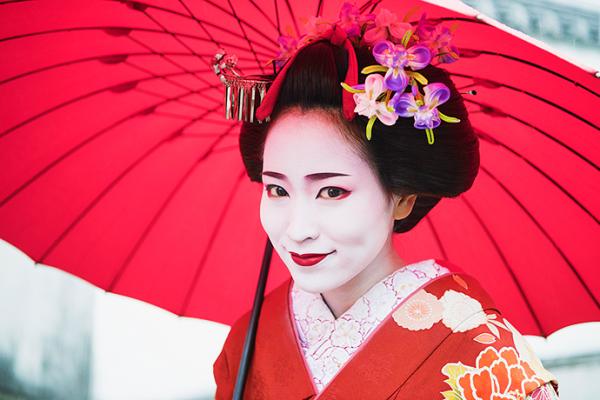
Indeed, most modern geisha are women, but in the history of Japan there have been men holding this title. They were called “taikumichi” and were popular until the Meiji period, when they became rare. But now this tradition is returning and male geisha are appearing again.
Tokyo is a city
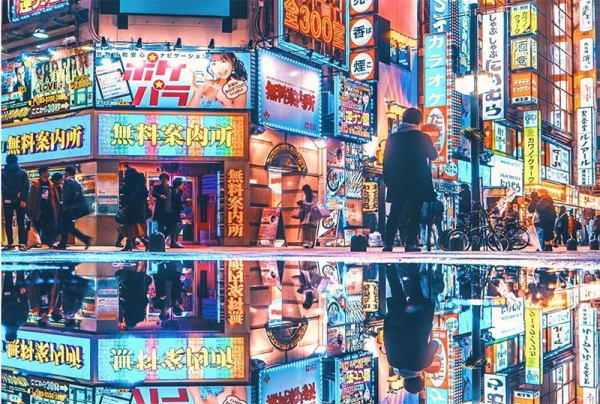
Officially, the city of Tokyo existed only from 1889 to 1943. Now it is not a city, but one of the prefectures, in other words, the capital district, which consists of 62 administrative units. 39 of them are cities, towns and rural communities. The other part consists of 23 special districts, and often when they say “Tokyo”, they mean them. Each of these districts is equivalent to the status of a city, each of them even has its own mayor.


 English
  Russian
  German
  Polish