The Republic of Iran occupies an area slightly smaller than Alaska, with a population of 82.5 million people. Despite the increased interest of Muslim tourists in recent years — they are interested in sacred sites, and others are attracted by ancient monuments — the country cannot be called the most popular tourist destination.
We decided to show the magical and enchanting photos of Iran.
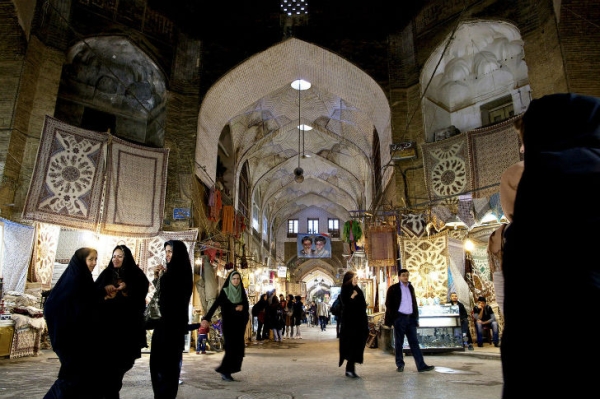
A large bazaar in Isfahan, the third largest city in the country.
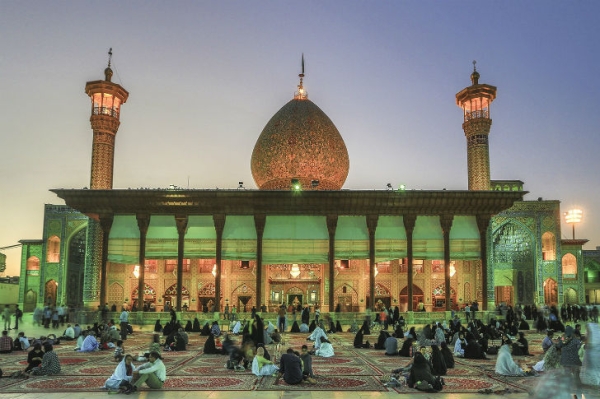
The mausoleum of Shah Cherah in Shiraz. The tomb was built in the XIV century.
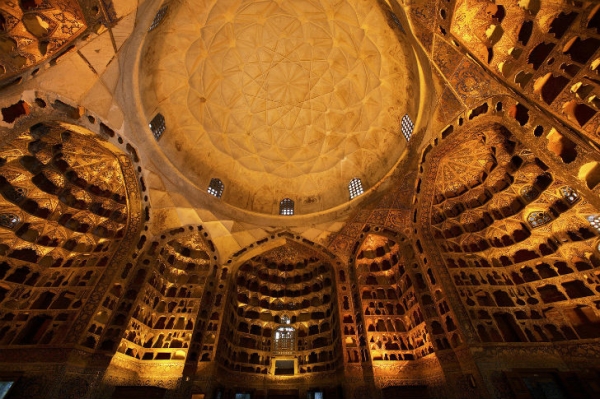
Inside the mausoleum of Sheikh Sefi al-Din. The interior of the mausoleum, which was built in the XIV century by the son of the sheikh, is a rare example of medieval Islamic architecture.
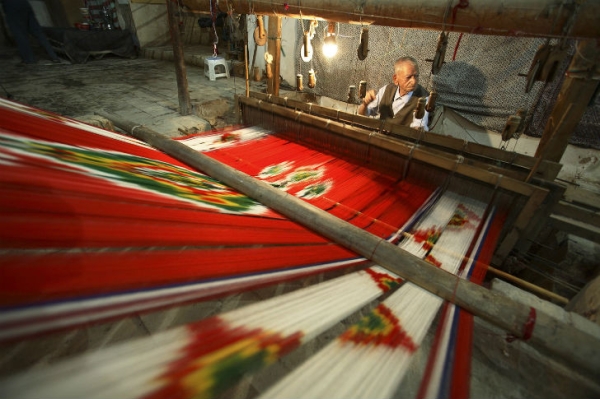
A man weaves a silk pattern on a handloom in Yazd. Yazd is one of the most ancient cities in Iran, the first written mentions date back to the third millennium BC.
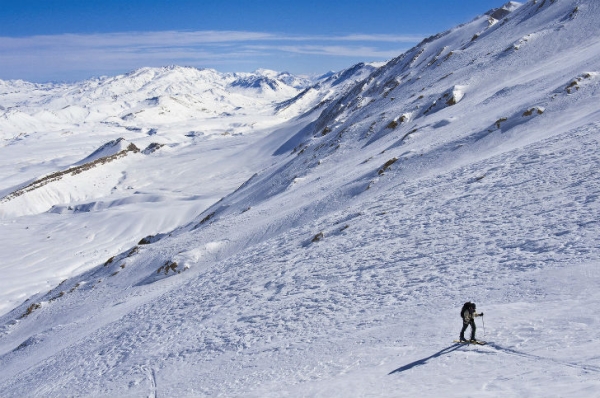
A skier climbs one of the peaks of Zagros, the largest mountain range in modern Iran.
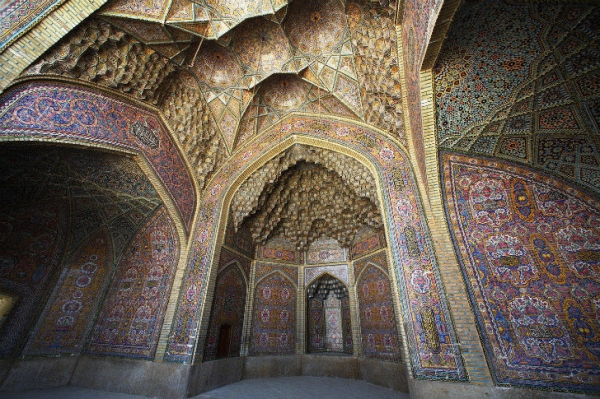
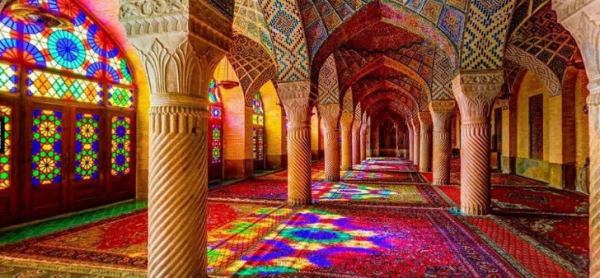
The tiled walls of the Nasir-ol Molk Mosque in Shiraz. The Rose Mosque, as it is also called, was built in the XIX century and is one of the main attractions of the city.
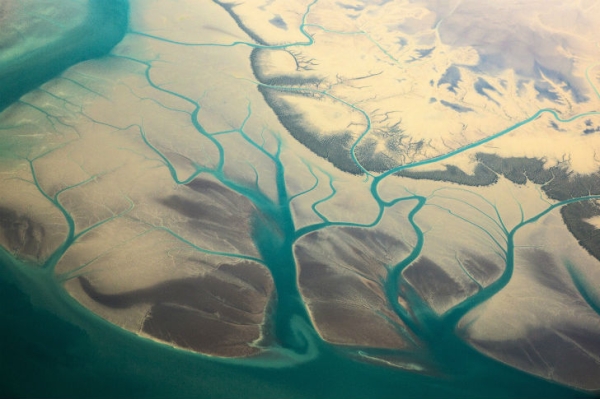
Aerial view of the southern coast of Iran.
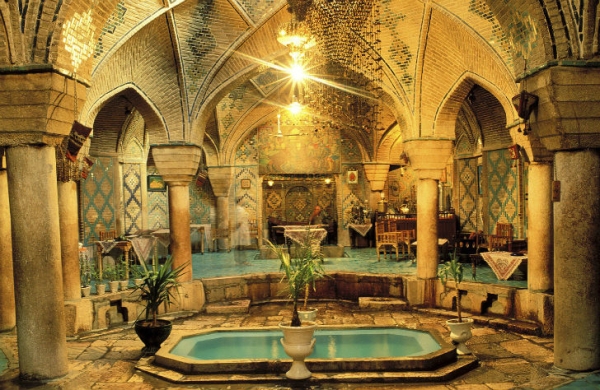
A tea house in the city of Kerman.
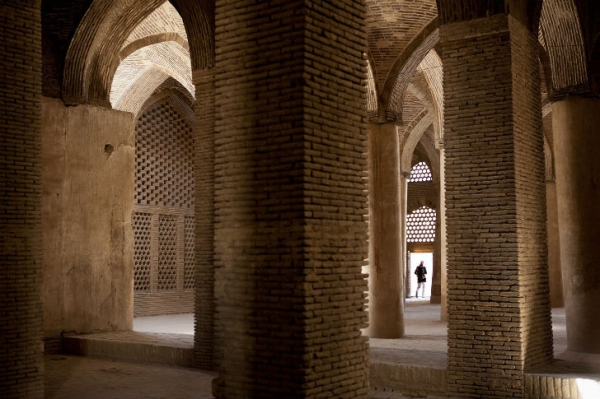
Friday Mosque, or Jami Mosque, in the city of Isfahan. The mosque was founded in 771, but the construction was completed in the XX century.
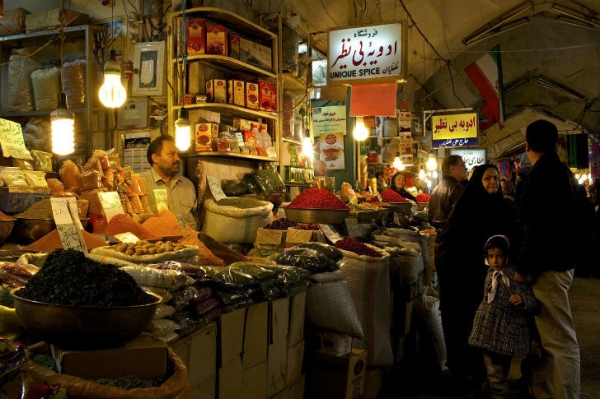
The Grand Bazaar in Isfahan.
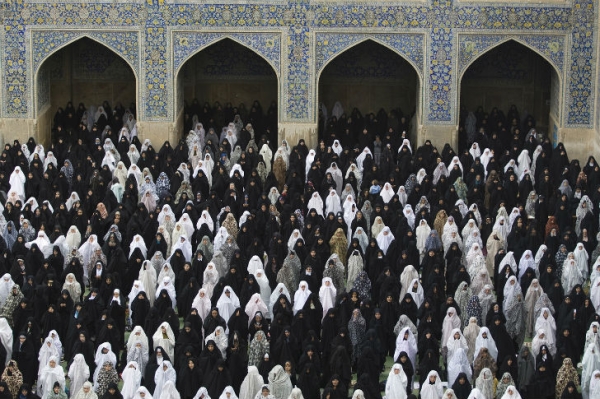
Women during Friday prayers at the Imam Mosque, built in the XVII century. Tourists are attracted by the unique acoustics of the building — you can hear a whisper from the farthest corner, as any sound or rustle echoes through the room 12 times.
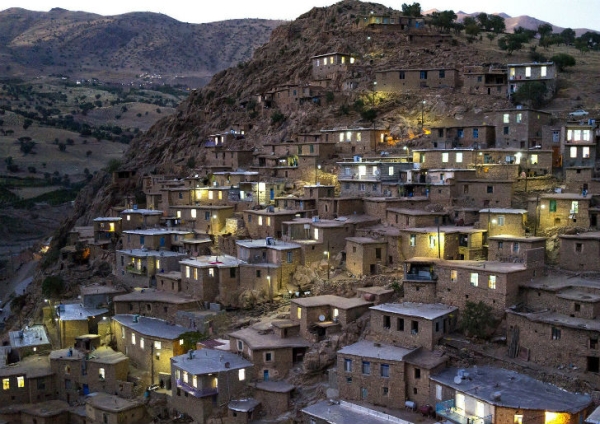
The Kurdish village of Palangan. You can see that the houses are built on the roof of the lower houses. Also, the roofs of previous houses are often used as a courtyard.
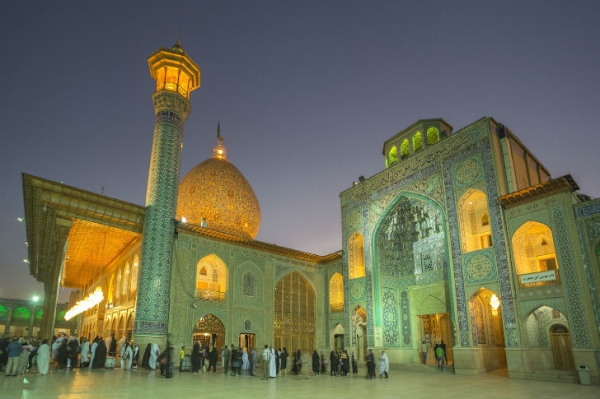
The Shah Cherah Mausoleum in Shiraz.
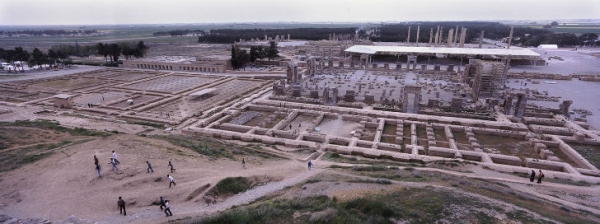
The ruins of the palace in the ancient Persian city of Persepolis, which originated in the VI-V centuries BC.
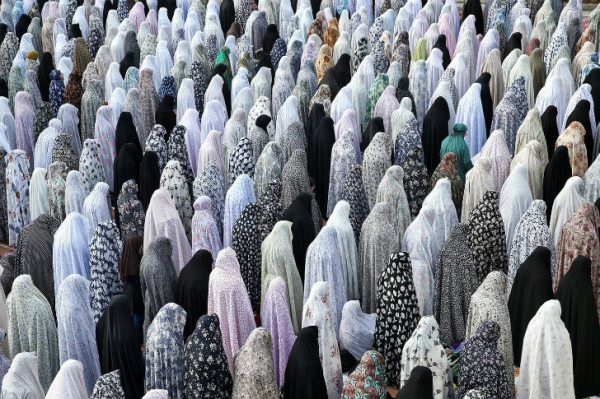
Women pray at the end of the holy month of Ramadan, Tehran.
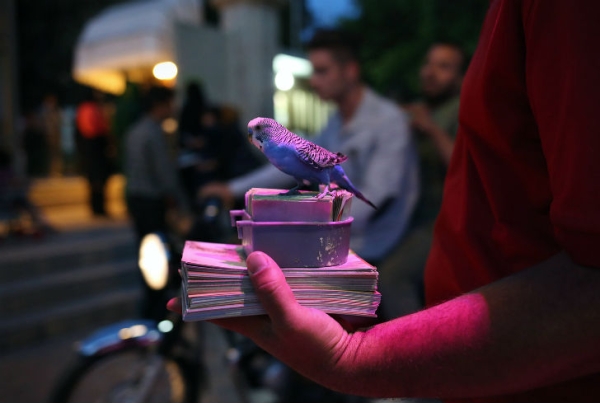
The parrot is waiting for the next customer to “tell fortunes by Hafiz.” Hafiz Shirazi is a 14th—century Persian poet who is still revered and much loved in Iran. There are such merchants of fate standing near his mausoleum — a parrot chooses an envelope with quotes from Hafiz’s work.
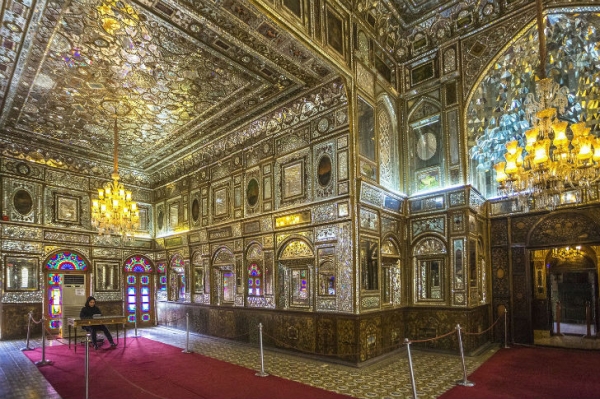
Inside the Golestan Palace in Tehran, which was built in the XVI century. Golestan is also called the Marble Palace, and in translation its name means “palace of roses”.
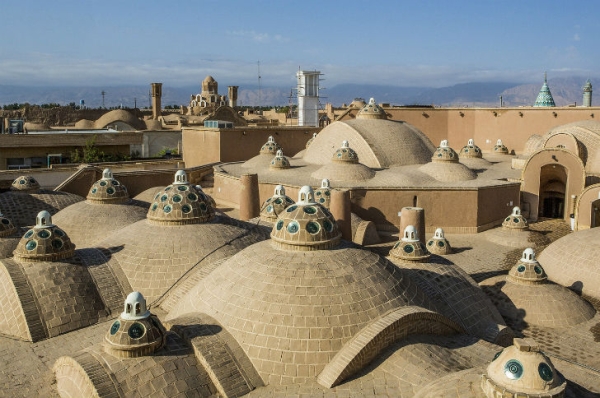
The roofs of the traditional bathhouse of Sultan Amir Ahmad in the city of Kashan. They were built in the XVI century.
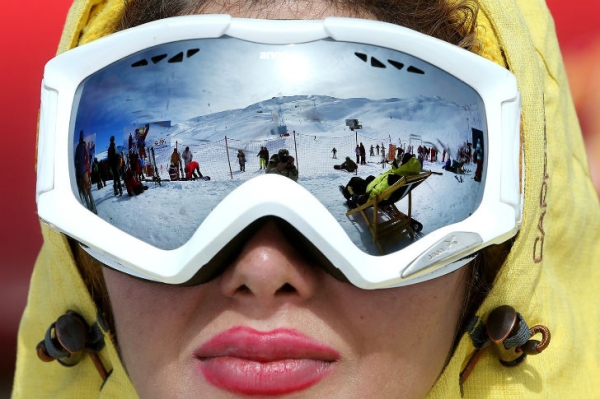
The Dizin ski resort is north of Tehran.
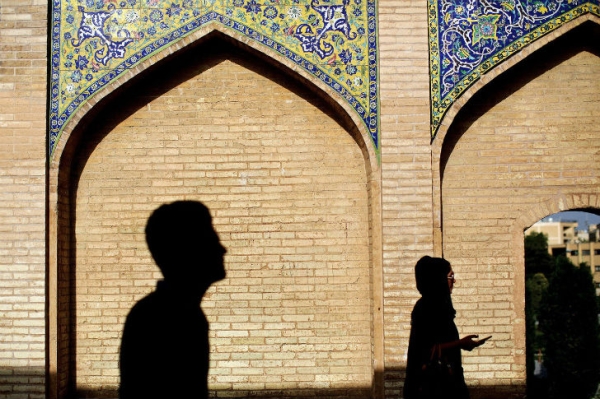
A pedestrian arch bridge over the Zayandeh River, the most water-bearing river in Iran. The bridge was built on the site of the old one in the XVII century.
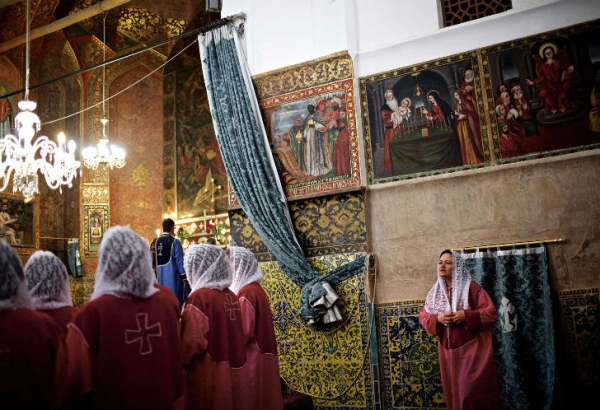
Armenian choir in the suburb of Julfa in the city of Isfahan.
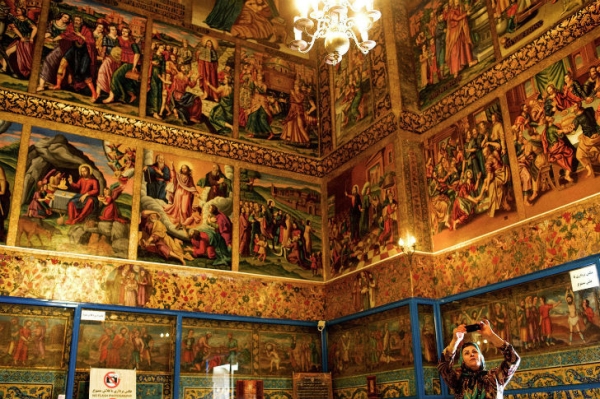
Inside the Cathedral of St. Christ the Savior, also known as the Vank Cathedral, in Isfahan. In Armenian, “vank” means “monastery” or “monastery”.
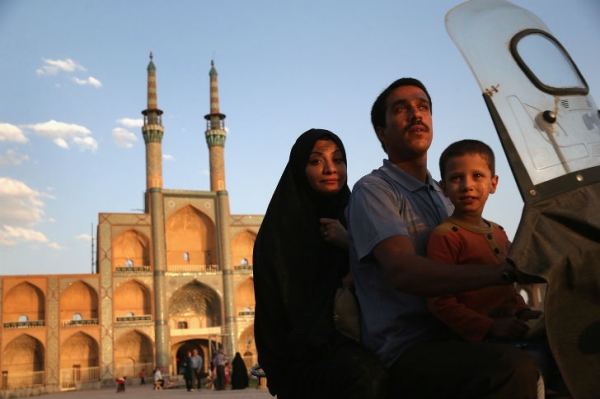
A family rides a motorcycle past the Amir Chahmag complex, which is the facade of a mosque decorated with many arches. There is a square with a fountain in front of the facade.
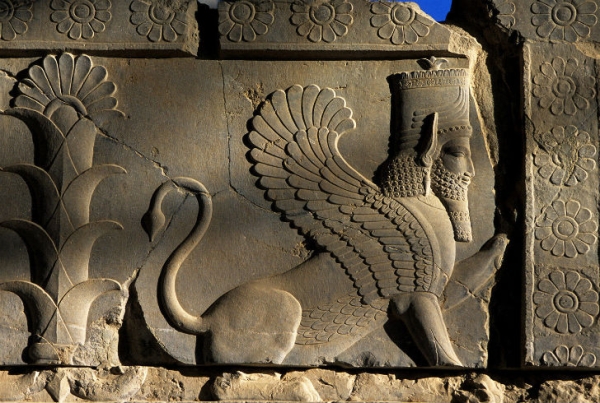
Relief sculpture of the sphinx on one of the preserved walls of the palace in Persepolis.
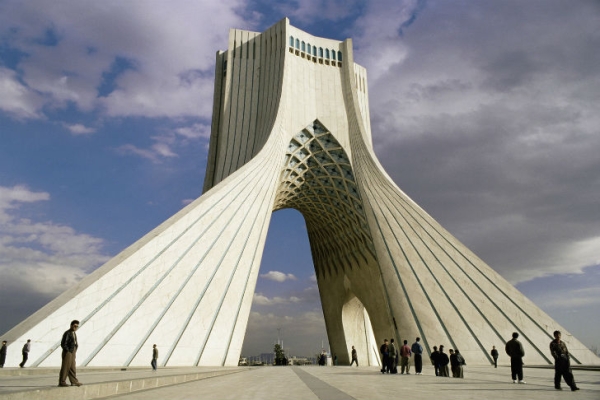
The architectural symbol of Tehran is the Azadi Tower, or Freedom Tower, built in 1971 in honor of the 2,500th anniversary of the Persian Empire.
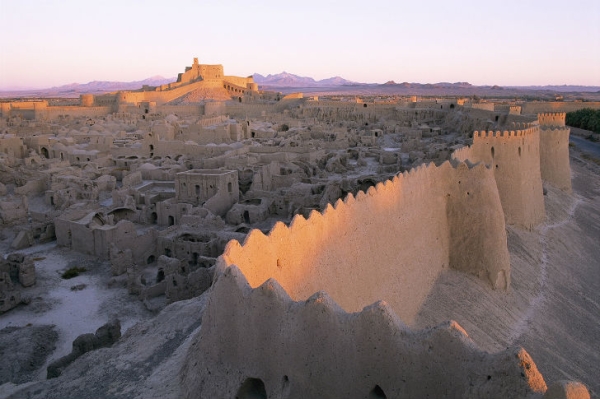
View of the ancient city of Bam.
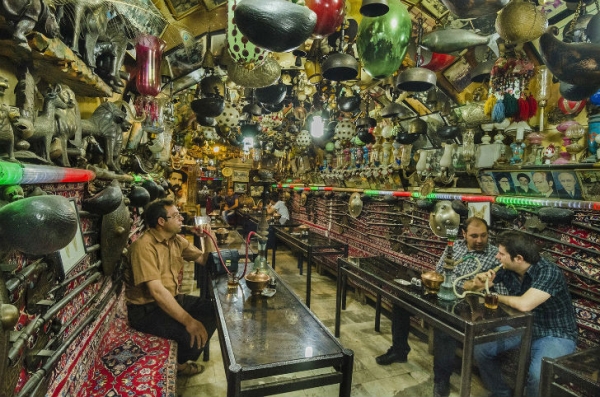
Men in a hookah bar, Isfahan.
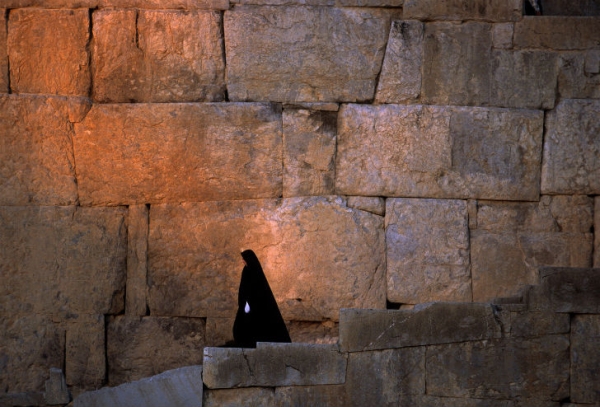
Stairs in the city of Persepolis.


 English
  Russian
  German
  Polish