Japan is the 62nd largest country in the world by area, the 11th largest by population, the third largest economy in the world, as well as the country with the longest average life expectancy — 84.3 years. This country has always stood out among others for its peculiarities and culture. Let’s get to know some facts about Japan that you may not have known about!
Students are required to clean the classroom after classes
After classes, Japanese students stay to clean the classrooms. This is a mandatory traditional measure, which, according to teachers, teaches children personal responsibility.
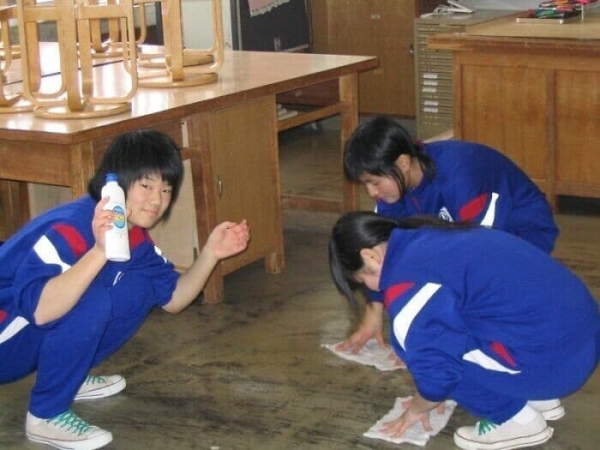
It is also an opportunity to communicate with other students and with teachers in a less formal setting. In Japan, schoolchildren value cleanliness — they won’t make a mess because they know they’ll have to clean it up themselves.
Football fans stay after the match to clean up after themselves at the stadium
A well-known fact that surprised many at the 2018 World Cup is that the Japanese stayed after the match and helped the stadium staff to restore order.
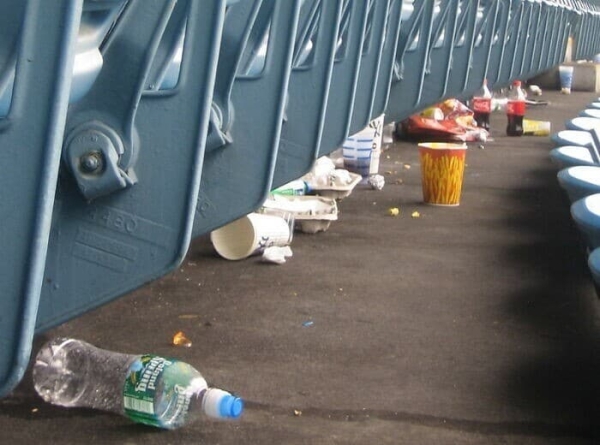
They did it regardless of whether Japan won or lost. It’s part of their culture.
The water in the canals of the streets of the city of Shimabara is so clean that fish swim in it
Due to the volcanic activity of Mount Unzen in 1792, an earthquake and tsunami occurred in the city of Shimabara on the Japanese island of Kyushu, and fresh water appeared right on the streets.
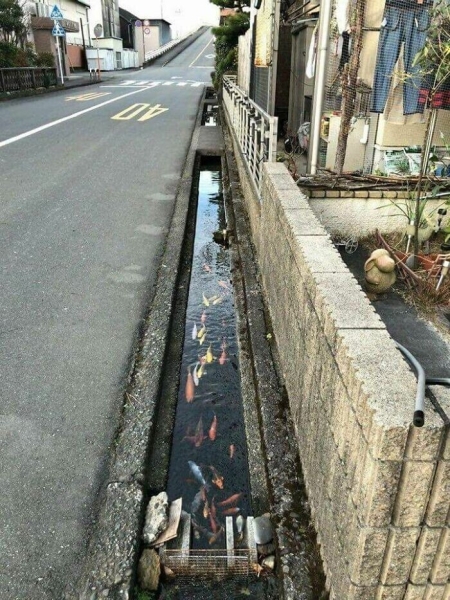
The water was so clean that in 1978 the authorities released koi carp into the canals. These fish can only survive in clean water — the fact that they still live there peacefully proves the quality of the water.
Many toilets have built-in sinks
In Japan, many toilets have sinks built in this way.
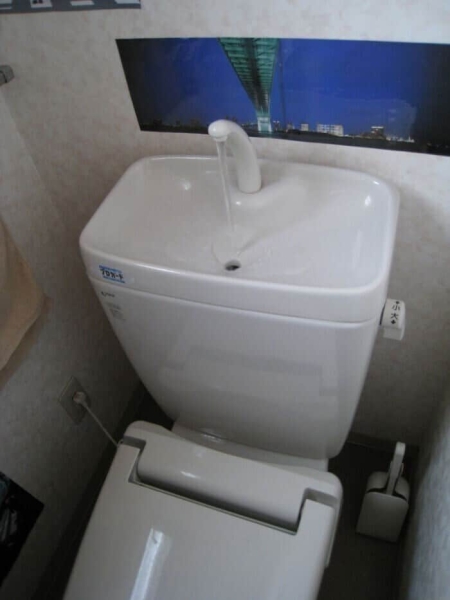
This is done to save water — the water that washed your hands goes to flush the toilet.
In many public toilets, special seats for small children are attached to the wall
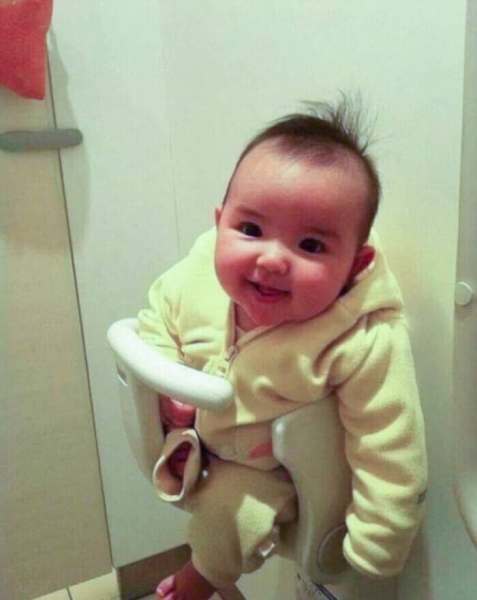
While the parent is doing his business, the baby sits quietly in a safe structure
Manhole covers in Japan — works of art
The Japanese can turn boring and everyday things into beauty. There are more than 6,000 manholes in the country, which are made as works of art.
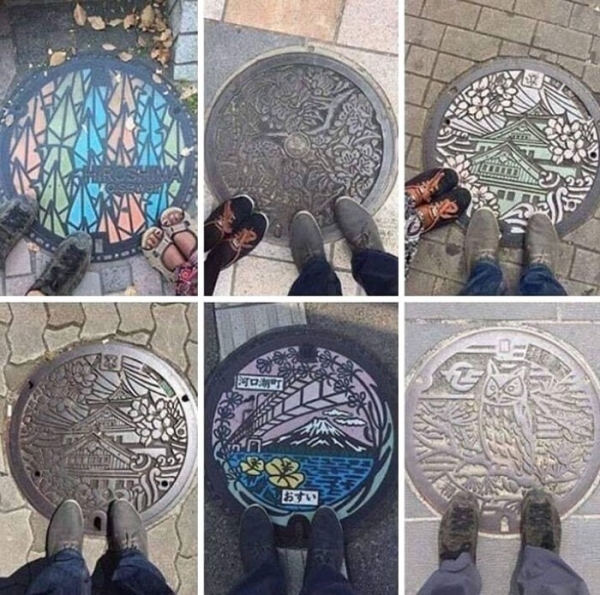
Different municipalities have their own unique manhole designs and designs.
Cleanliness is everywhere
Cleanliness on the streets, in buildings and on public transport may surprise an unaccustomed person, but in Japan cleanliness is a way of life.
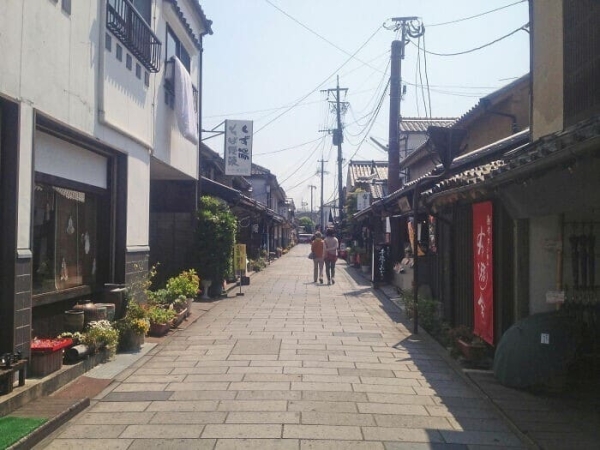
At the same time, the premises are kept clean not by hiring more staff, but at the expense of the residents themselves.
There are electronic cards in public toilets
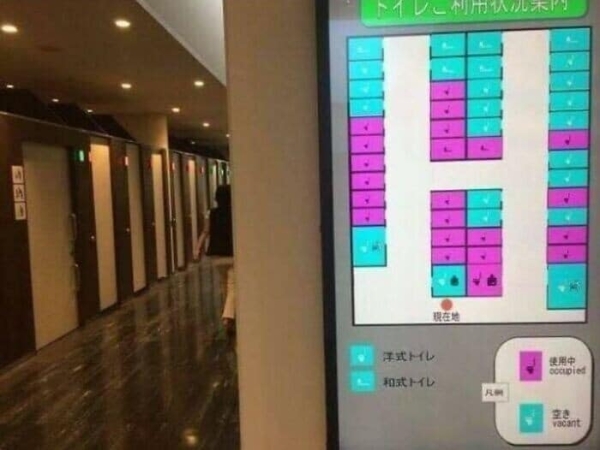
The stands show which booths are occupied — so as not to frantically check all the doors, especially if they are closed
In Japan, they invented ice cream that does not melt for hours
Researchers from Japan have discovered an ingredient that helps ice cream not melt quickly.
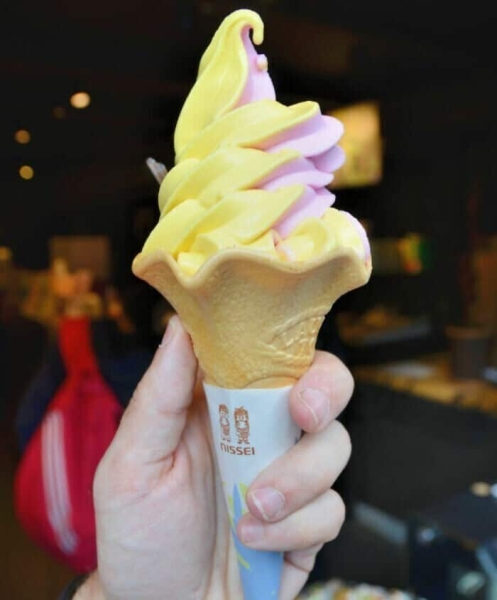
The ice cream was named Kanazawa, and its secret ingredient is a polyphenolic liquid made from strawberries. The dessert can keep its shape for up to several hours.
In Japan, they mostly park only backwards
There is a rule in the country — to park a car only backwards, and to leave in front. Parking in the photo is standard for Japan.
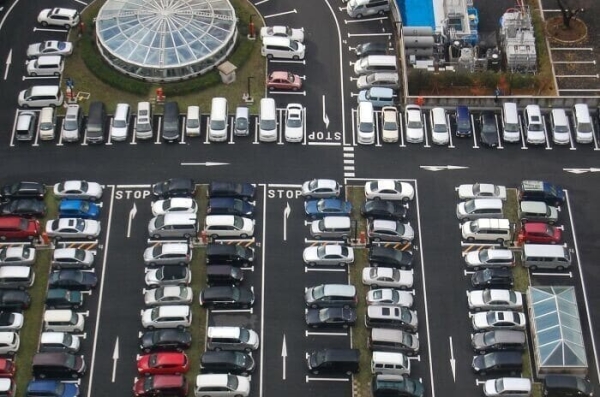
This is done for convenience due to the densely populated and large number of cars, as well as for a better view for the driver. In addition, due to the limited space, drivers park their cars carefully between the designated lines.
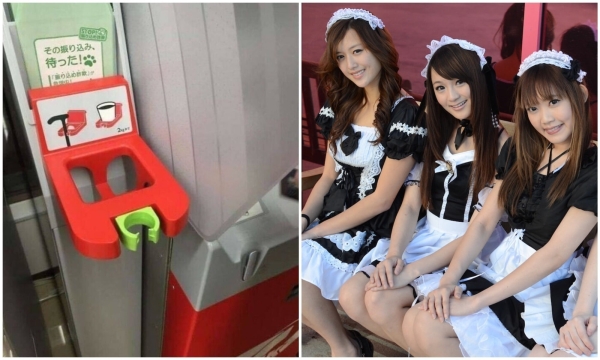
There is a cane holder and a cup holder next to the ATMs
While you are withdrawing money, you can put the drink in the cup holder.
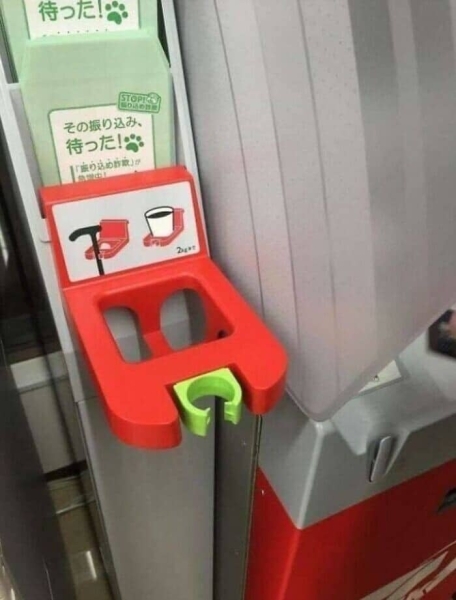
Cane holders are a common convenience for the elderly in Japan, as almost a third of its population is over 65 years old.
Some hotels have special double lamps for different beds
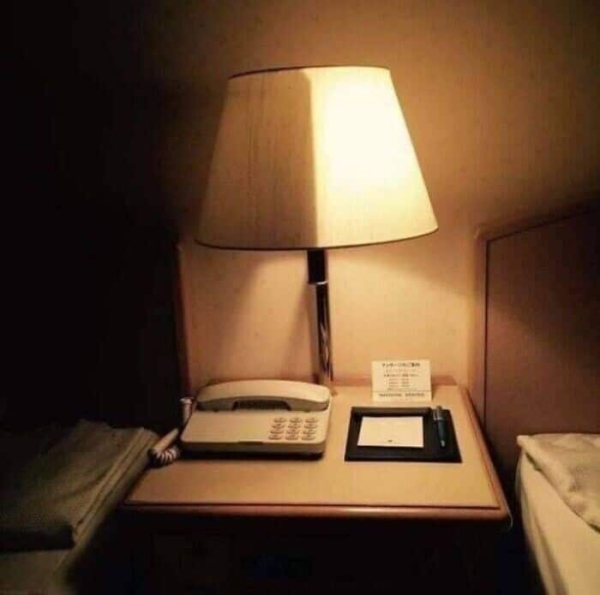
In Japanese hotels, each guest can adjust the brightness of the light necessary for himself
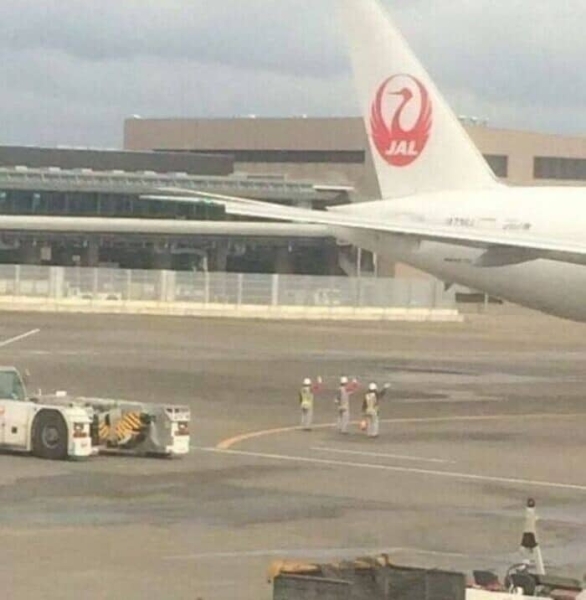
Staff at Japanese airports often wave to passengers until the plane takes off
There is an island full of rabbits in Japan
The small island of Okunoshima in Japan is called Usagi Shima, which means “rabbit island” — it is inhabited in large numbers by rabbits.
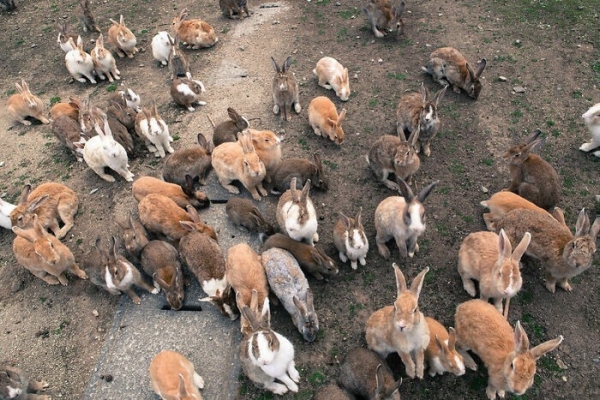
It is strictly forbidden to hunt them here, and it is also forbidden to bring other animals. It is believed that rabbits that escaped from the former laboratories on the island began to breed here.
The Japanese are patient with queues
The Japanese are known for their discipline — this also applies to queues. To buy something or receive a service, Japanese people line up in a queue, and they can safely stand in it even for a long time.
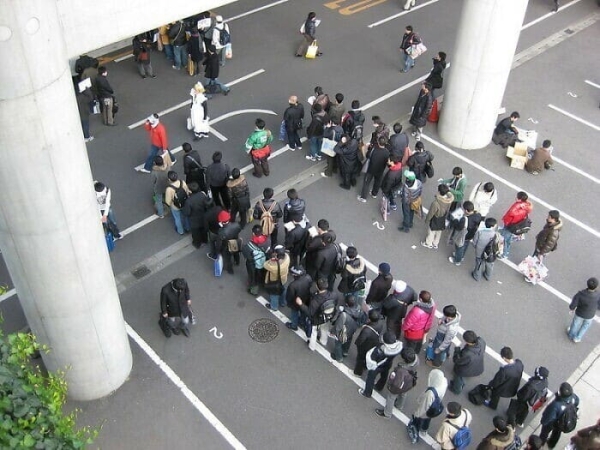
In many places, there are even signs that show how to line up — residents patiently follow them to maintain order.
There is one vending machine per 23 residents
Japan has the most vending machines in the world. You can buy anything from drinks and sweets to hot food and alcohol in them.
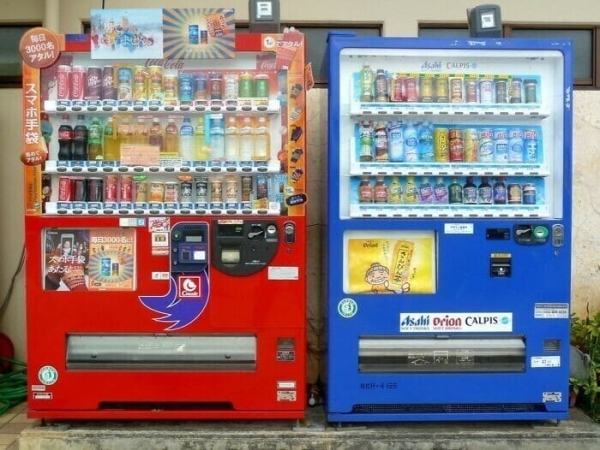
The advantages of vending machines, according to the Japanese: there is no need to hire staff, the absence of huge sums for rent, low crime and vandalism.
Capsule hotels are popular among the Japanese
Capsule hotels are often used in Japan — they are especially popular among businessmen.
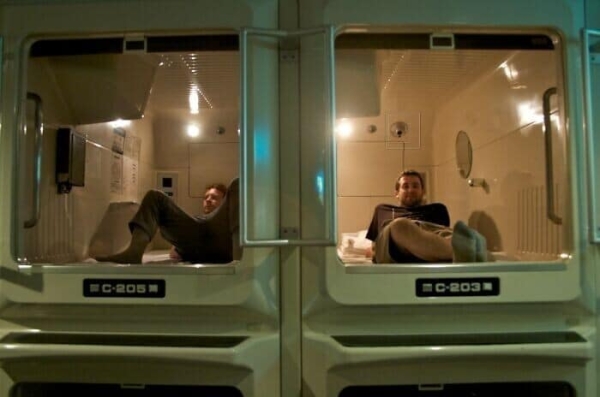
These are cheap and compact hotels, usually located close to train stations and airports. The first capsule hotel was opened in 1979 in Osaka.
Sleeping at work is a normal thing
Sleeping during the working day is a normal and acceptable practice in Japan.
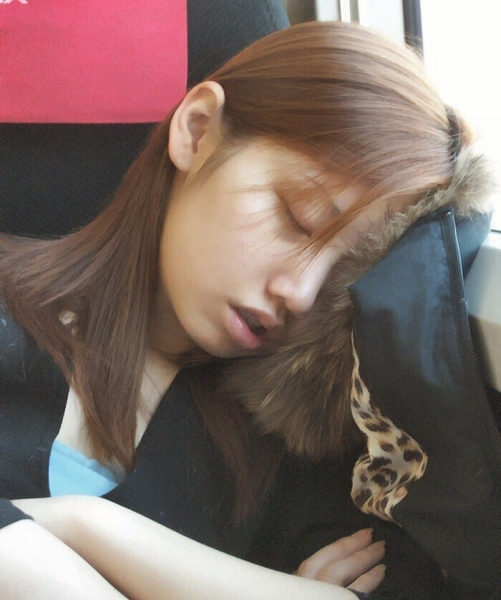
If in other countries they can be fired for this, in Japan they consider it in a positive way — this indicates that the employee worked extremely hard, he is so dedicated to work. The Japanese, in principle, do not forbid daytime sleep in public places and transport. There is even a term for this phenomenon — inemuri.
There are a huge number of pedestrian crossings in the country
Various pedestrian crossings, including diagonal ones, are common in Japan.
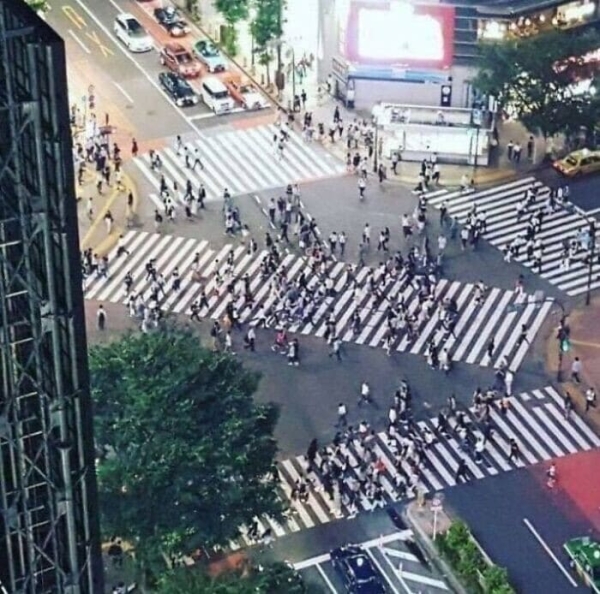
The largest crossing is in Tokyo, at the Shibuya Railway Station. While the light is green here, more than 3,000 pedestrians can cross the road at once.
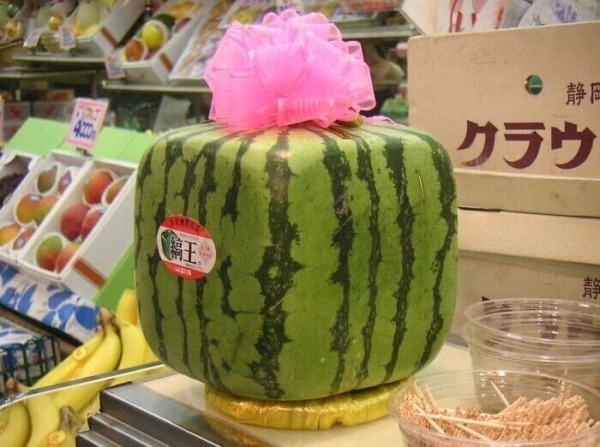
Japanese stores sell square watermelons — they are specially grown in boxes so that they take this shape
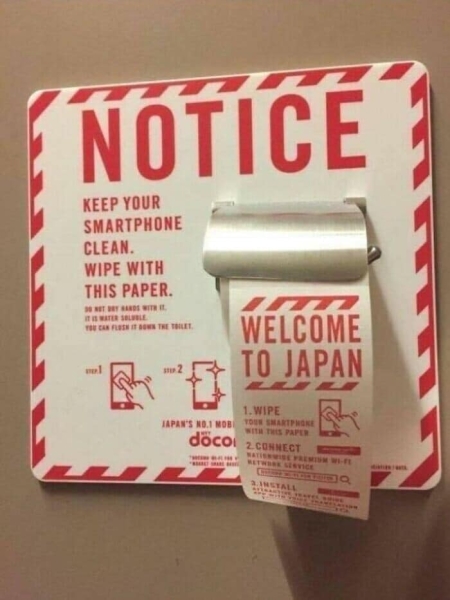
Tokyo’s Narita Airport has special wipes for cleaning smartphones — after all, they can accumulate even more bacteria than on the toilet seat
Umbrella stands in public places
It is rainy season in Japan from the beginning of June to the middle of July, so many people carry umbrellas with them.
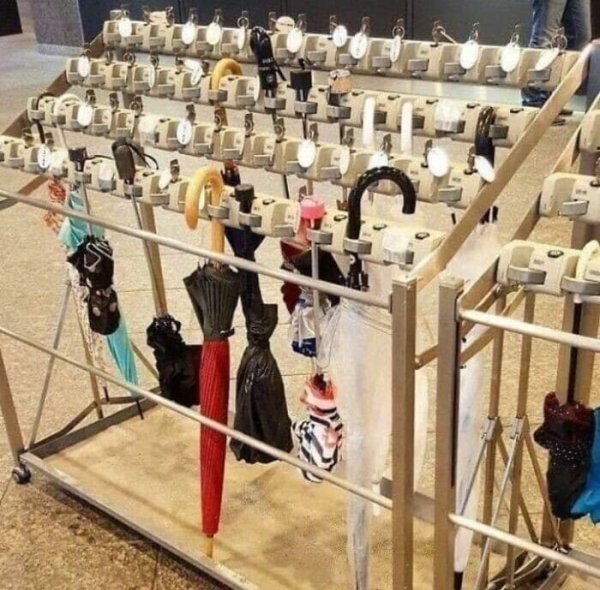
Most public places have holders for wet umbrellas — you can leave it at the entrance and go about your business.
Copies of dishes are presented in Japanese restaurants
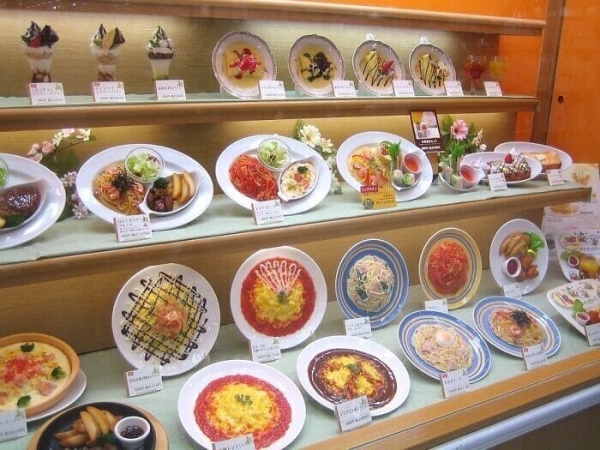
Copies of dishes may cost more than the dishes themselves, but they save food and look as similar as possible to real dishes. Previously, the models were made of wax, and now they are made of polyvinyl chloride
Traditional Christmas Dinner in Japan — KFC food
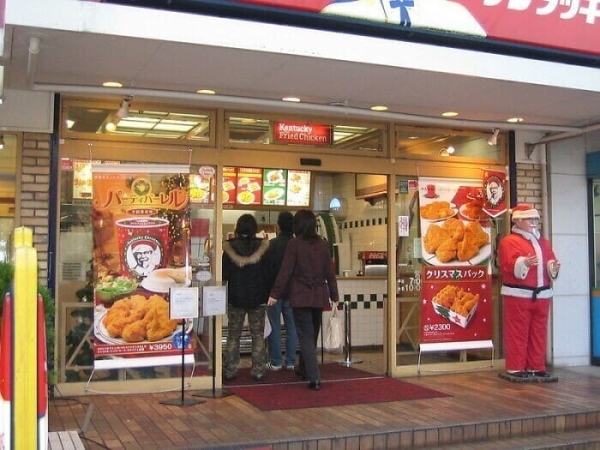
Every year 3.6 million Japanese families buy wings from KFC for Christmas. In Japan, fast food is considered a traditional Christmas dinner. This has been going on since about 1974.
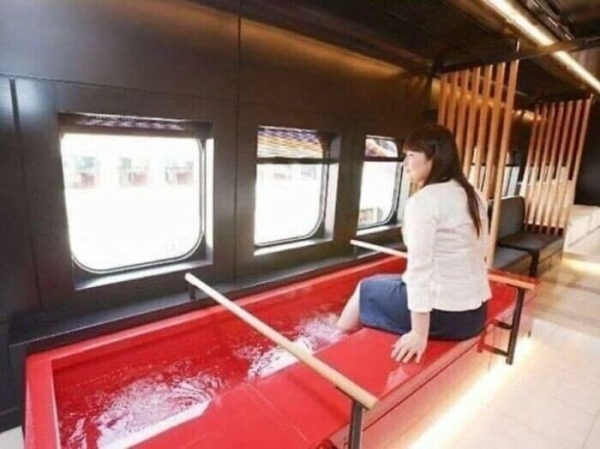
There are a lot of hot foot baths in Japan — sometimes they are found right on the streets, and they are often free
It is customary to go to the toilet in special slippers
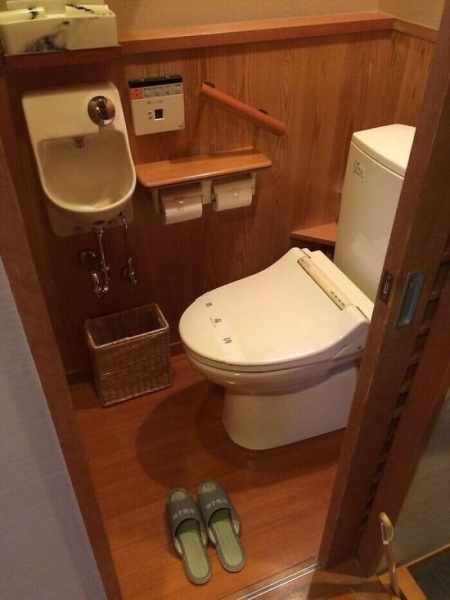
If you have not yet convinced yourself that the Japanese love cleanliness, here is another fact — they have separate slippers designed exclusively for the bathroom. They are used in the toilet so as not to spread germs throughout the house.
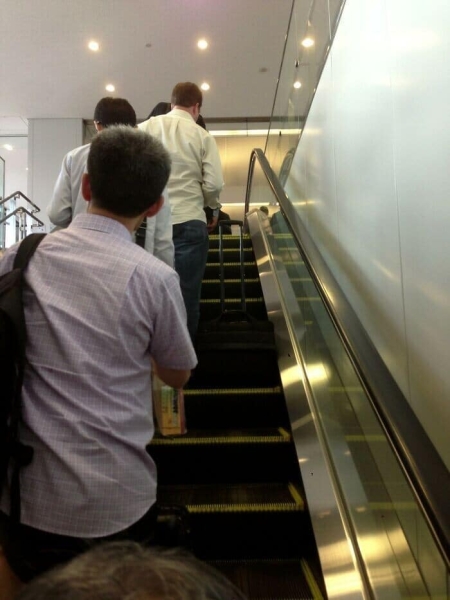
There is a whole etiquette of stairs and escalators in Japan. All residents stand on the left side, leaving the right for those in a hurry
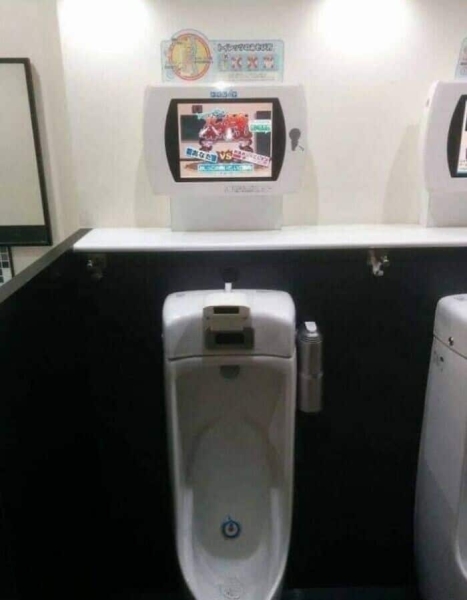
Some toilets in public places have Sega Toylet video games built in, which can only be played with a jet. This again calls on the Japanese to be clean
There are restaurants in Japan that serve canned food
There are many unique and themed restaurants in Japan. One of them is the Mr. Kanso bar, which serves 300 different types of canned food from all over the world.
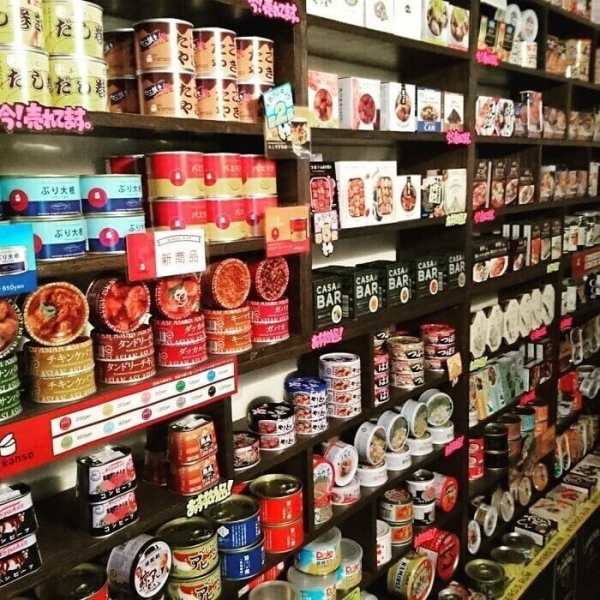
Prices here vary depending on how rare canned food you want to order. Canned dishes include egg omelette, bacon and potatoes, rice, tuna, Japanese curry or egg tarts.
More adult diapers are sold in Japan than baby diapers
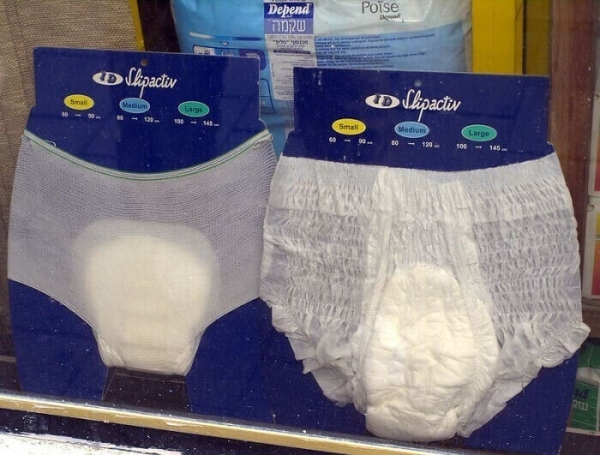
This is due to the fact that almost a third of the population is over 65 years old, as well as a low birth rate
Robot restaurants are popular in Tokyo
Robot restaurants are one of Tokyo’s most popular tourist attractions.
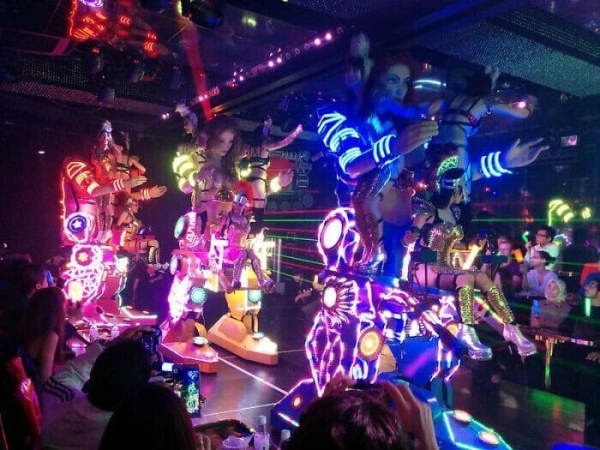
In such establishments, they arrange various shows with robots — with music, bright costumes and interesting themes. It’s more of a spectacular action than something traditional.
Some Japanese trains have entire smoking carriages
Smoking is prohibited in most open public places in Tokyo — there are always designated places for this.
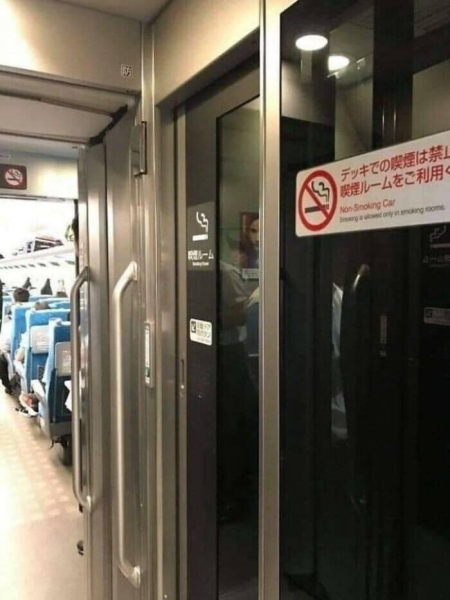
Recently, special passenger cars provided for smoking have been made on local trains.
A popular form of leisure in Japan is the Meido cafe
A feature of Japanese Meido cafes is that the waitresses’ clothes resemble the uniforms of maids in medieval English estates.
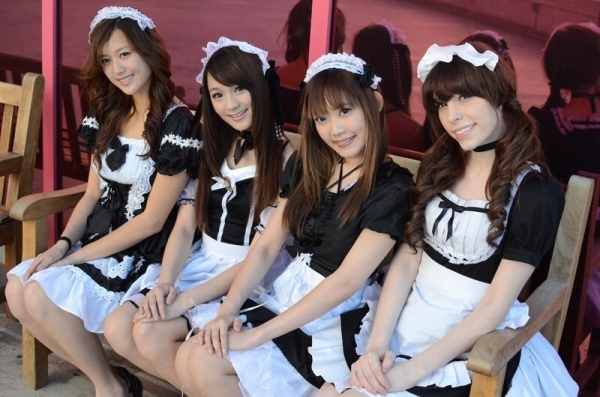
They can greet you with words:
“Welcome home, Sir/Madam.”
The menu in such establishments is not distinguished by delicacies — the whole point is in the unique design and service.


 English
  Russian
  German
  Polish